 Skip to content
tortoise for sale
Russian Tortoise Diet: Complete Nutrition & Feeding Guide
Mar
A proper russian tortoise diet is the foundation of a healthy, long-living tortoise. These hardy reptiles thrive on a high-fiber, plant-based diet that closely mimics their natural environment. If you want your tortoise to stay active and live a long russian tortoise lifespan, feeding the right foods is essential.
This expert guide breaks down everything you need to know from the best russian tortoise food options to feeding schedules, common mistakes, and practical care tips.
Why the Russian Tortoise Diet Matters
The russian tortoise diet directly impacts:
- Shell development
- Digestive health
- Immune system strength
- Lifespan and activity levels
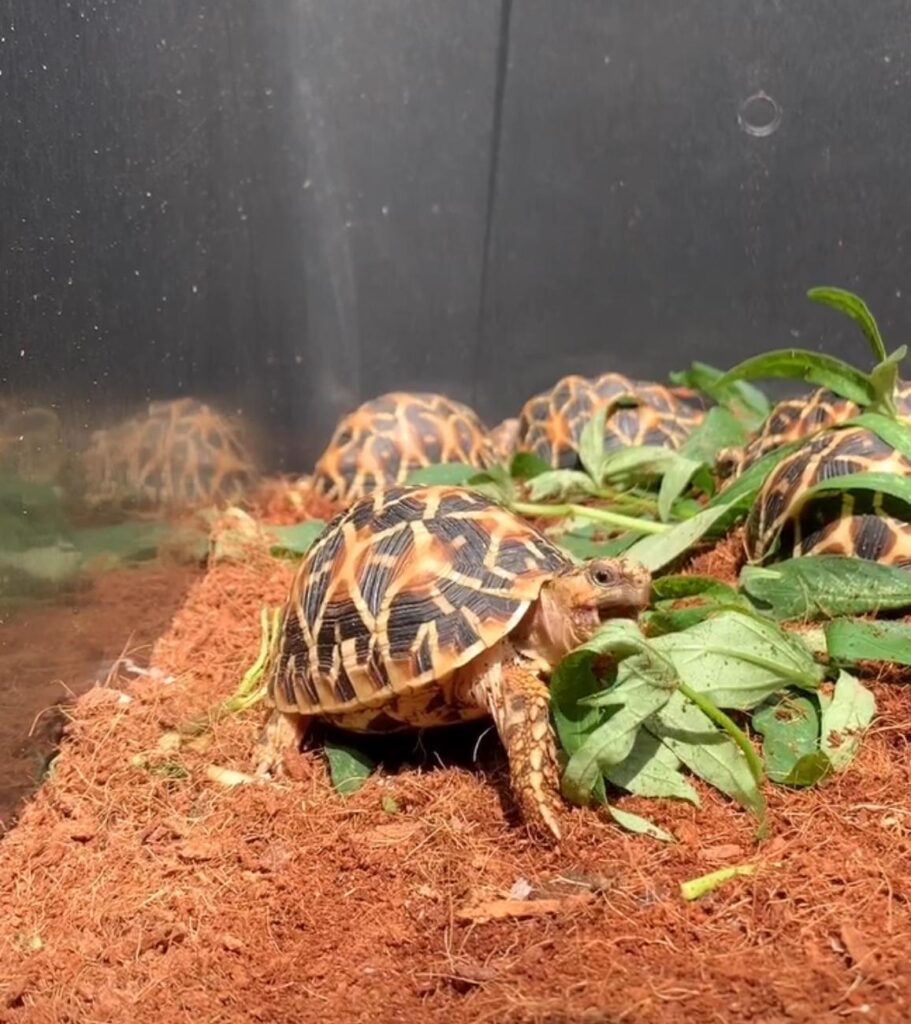
In the wild, Russian tortoises eat tough weeds, grasses, and leafy greens. Replicating this diet in captivity ensures optimal health.
👉 Learn more about tortoise care basics here:
- https://rentry.co/2az88zqv
- https://pads.zapf.in/s/eTSijfCW9C
- https://hedgedoc.eclair.ec-lyon.fr/s/YWyYSi6Pg
What Do Russian Tortoises Eat?
Best Foods for a Russian Tortoise Diet
A balanced russian tortoise diet should include:
Leafy Greens (Primary Food Source)
- Dandelion greens
- Collard greens
- Mustard greens
- Turnip greens
Weeds and Wild Plants 🌿
- Plantain
- Clover
- Chickweed
Vegetables (Occasional)
- Squash
- Bell peppers
- Carrots (in small amounts)
Explore detailed feeding resources:
- https://md.un-hack-bar.de/s/C_f5ub9bDT
- https://hack.allmende.io/s/LJeDSowML
- https://pad.geolab.space/s/1r187TzSZ
Foods to Avoid in a Russian Tortoise Diet
Certain foods can harm your tortoise:
- Iceberg lettuce (low nutrition)
- Fruits (too much sugar)
- Animal protein
- Processed foods
Avoiding these helps maintain a stable russian tortoise lifespan.
More care insights:
- https://pads.jeito.nl/s/hiLthlKNfO
- https://notes.bmcs.one/s/07hhdgSedo
- https://spence-franco-2.mdwrite.net/dont-believe-these-trends-about-buy-tortoise-europe
Feeding Schedule and Portion Control
How Often to Feed
- Daily feeding for juveniles
- 5–6 times per week for adults
Portion Size
Feed an amount equal to the size of the tortoise’s shell.
This ensures your russian tortoise diet stays balanced without overfeeding.
Helpful feeding guides:
- https://telegra.ph/17-Signs-You-Work-With-buy-a-pet-turtle-today-03-25
- https://mymatch.sundaytimes.lk/members/castrhythm6/activity/311522/
- https://levertmusic.net/members/brakebeggar6/activity/439151/
Importance of Calcium and Supplements
Calcium is critical for shell strength.
Supplement Tips:
- Use calcium powder 2–3 times weekly
- Provide cuttlebone for natural intake
- Ensure UVB lighting for absorption
Without proper supplementation, even a good russian tortoise food plan may fall short.
More expert advice:
- https://codimd.communecter.org/_HeAtQNUT_OKrFfK9IWPaA/
- https://notes.io/ecCKm
- https://diigo.com/0126y60
Hydration and Water Needs 💧
Russian tortoises get most hydration from food, but water is still essential.
Best Practices:
- Provide shallow water dishes
- Soak tortoise 1–2 times weekly
- Keep humidity balanced in the russian tortoise enclosure
Proper hydration supports digestion and extends the russian tortoise lifespan.
Learn more here:
- https://pad.stuve.de/s/2MXBevhiHI
- https://pbmaoffroad.org/members/pintvelvet9/activity/275931/
- https://zenwriting.net/castrhythm9/tortoises-for-sale-tips-from-the-most-effective-in-the-business
Russian Tortoise Enclosure and Its Impact on Diet
The russian tortoise enclosure affects how well your tortoise processes food.
Key Factors:
- UVB lighting for calcium absorption
- Temperature gradient (warm and cool areas)
- Dry substrate with low humidity
A poor enclosure can lead to appetite loss and digestive issues.
More enclosure setup guides:
- https://squareblogs.net/authorvelvet8/15-funny-people-working-in-in
- https://output.jsbin.com/suxayizuzo/
- https://youralareno.com/members/noodlebeef2/activity/143838/
Benefits of a Proper Russian Tortoise Diet
Key Advantages:
- Strong shell growth 🐢
- Better digestion
- Higher energy levels
- Longer russian tortoise lifespan
Pros and Cons of Managing a Russian Tortoise Diet
Pros:
- Easy to maintain with natural foods
- Affordable feeding options
- Supports long-term health
Cons:
- Requires knowledge of safe plants
- Daily feeding commitment
- Supplementation needed
Practical Feeding Tips for Owners
Follow these expert tips to optimize your russian tortoise diet:
1. Rotate Foods
Avoid feeding the same greens daily.
2. Chop Food Properly
Smaller pieces improve digestion.
3. Avoid Overfeeding
Too much food leads to obesity.
4. Observe Eating Habits
Changes may signal health issues.
More actionable resources:
- https://rewardcord0.bravejournal.net/10-ways-to-create-your-buy-tortoises-usa-empire
- https://werner-grady.technetbloggers.de/20-tips-to-help-you-be-more-successful-at-radiated-tortoises-for-sale
- https://blogfreely.net/nutstem8/ivory-tortoise-for-sale-tools-to-streamline-your-daily-life-ivory-tortoise
Expert Insight: Real-World Feeding Example
Experienced keepers often follow this daily plan:
Morning Feeding:
- Mix of dandelion greens and collard greens
Afternoon:
- Small portion of vegetables
Weekly Add-ons:
- Calcium supplement
- Occasional edible weeds
This balanced approach ensures a sustainable russian tortoise diet.
More expert discussions:
- https://hackmd.okfn.de/s/Byd4SnlsZe
- https://pad.karuka.tech/s/Pof9P-5ZY
- https://notes.medien.rwth-aachen.de/JoizRfYWRsqollvEfiwjdw/
Common Mistakes to Avoid
❌ Feeding Too Much Fruit
❌ Ignoring Calcium Needs
❌ Poor russian tortoise enclosure setup
❌ Lack of dietary variety
Avoiding these mistakes ensures your russian tortoise food plan stays effective.
Additional reading:
- https://zumpadpro.zum.de/Is8fmBq3QOG5yL-jnlDi1w/
- https://doc.adminforge.de/s/Y69bnsIjSe
- https://hedgedoc.info.uqam.ca/s/hNyANoz4i
How Diet Affects Russian Tortoise Lifespan
A proper russian tortoise diet can help tortoises live 40+ years.
Key Longevity Factors:
- Balanced nutrition
- Proper hydration
- Clean environment
- Stress-free habitat
Learn more:
- https://horner-melgaard-3.hubstack.net/five-things-everyone-makes-up-regarding-buy-tortoise-online-canada
- https://lucasweismann.com/members/chestpain6/activity/41379/
- https://caldwell-kilic.thoughtlanes.net/what-ivory-tortoise-for-sale-experts-want-you-to-learn
Conclusion
A well-planned russian tortoise diet is essential for maintaining health, energy, and a long life. By focusing on natural greens, proper supplementation, and a suitable russian tortoise enclosure, you can provide the ideal environment for your pet.
Consistent care, proper feeding, and avoiding common mistakes will ensure your tortoise thrives for decades. Investing in the right russian tortoise food today leads to a healthier and longer russian tortoise lifespan tomorrow 🐢.
FAQ Section (Schema-Ready)
1. What is the best russian tortoise diet?
A diet rich in leafy greens, weeds, and occasional vegetables is ideal.
2. Can Russian tortoises eat fruit?
Fruit should be avoided or given very rarely due to high sugar content.
3. How often should I feed my tortoise?
Daily for young tortoises and 5–6 times weekly for adults.
4. Do Russian tortoises need supplements?
Yes, calcium supplements are essential for shell health.
5. How does diet affect russian tortoise lifespan?
A proper diet supports strong immunity and can extend lifespan beyond 40 years.
More expert discussions:
- https://hackmd.io/@whitehouse/BkXB2Fujbe
- https://codimd.communecter.org/s/gB6rtutVF
- https://groups.google.com/g/rareandlovelypets/c/nhdXeYVc1Yc

