 Skip to content
tortoise for sale
🐢 Red Footed Tortoise: Complete Care, Habitat & Expert Guide
Mar
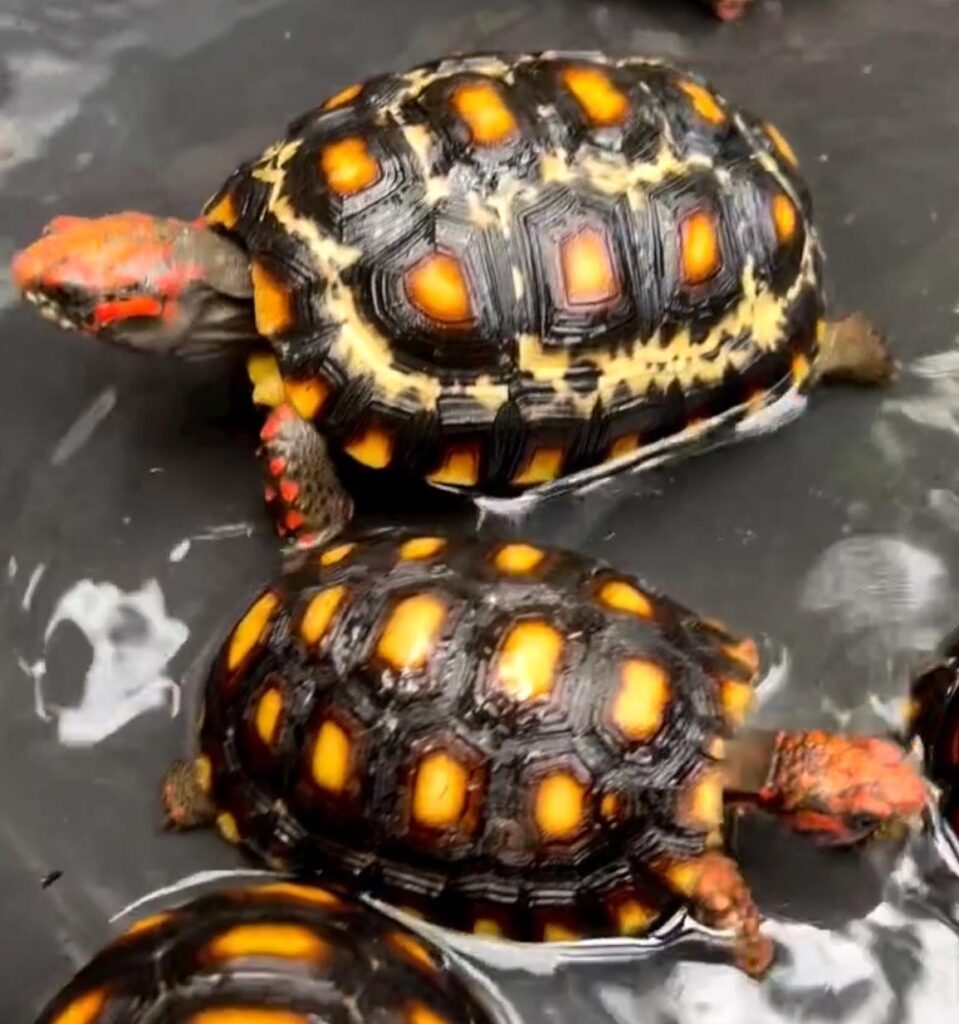
The red footed tortoise is one of the most popular tropical tortoise species kept as a pet and for good reason. Known for its colorful markings, calm personality, and adaptability, the red footed tortoise is a great choice for beginners and experienced reptile keepers alike.
In this expert guide, you’ll learn everything you need to properly care for a red footed tortoise, from habitat setup to feeding, behavior, and long-term health. 🌿
🌍 Introduction to the Red Footed Tortoise
The red footed tortoise (Chelonoidis carbonarius) is native to South America, especially in countries like Brazil, Venezuela, and Guyana.
Unlike many desert species, this tortoise thrives in humid, tropical environments. That makes its care very different from species like the hermann’s tortoise, which prefers dry, Mediterranean conditions.
Interestingly, the steady and calm nature of this tortoise often reminds people of the classic story the tortoise and the hare slow, patient, and resilient.
👉 Learn more:
https://rentry.co/wzz8q98w
https://md.un-hack-bar.de/s/LgI2SwgiSK
🧠 Red Footed Tortoise Characteristics
The red footed tortoise stands out due to its unique appearance:
- Red, orange, or yellow scales on legs and head
- Dark shell with lighter center patterns
- Medium size (10–16 inches as adults)
🟢 Behavior Traits
- Friendly and curious
- Active during the day
- Less shy than many tortoises
Compared to a typical turtle tortoise pet, this species is more interactive and easier to observe.
👉 Explore more characteristics:
https://pads.zapf.in/s/tb2BRbEVkU
https://polat-termansen-2.federatedjournals.com/one-key-trick-everybody-should-know-the-one-tortoises-for-sale-trick-every-person-should-learn
🏡 Red Footed Tortoise Habitat Setup
Proper housing is essential for a healthy red footed tortoise.
🌡️ Temperature & Humidity
- Day temp: 24–30°C
- Basking spot: 32°C
- Humidity: 60–80%
This is very different from desert tortoises and even species like the hermann’s tortoise, which require much lower humidity.
🏠 Enclosure Setup
- Indoor: Large tortoise table with moist substrate
- Outdoor: Secure, shaded enclosure
👉 Setup ideas:
https://vusr.net/members/badgecinema6/activity/6747/
https://pad.geolab.space/s/lE3jU7ygS
🌿 Diet & Nutrition Guide
A balanced diet is key to your red footed tortoise’s health.
🥗 What to Feed
- Leafy greens (collard, dandelion)
- Fruits (papaya, mango, berries 🍓)
- Vegetables (squash, carrots)
- Occasional protein (insects or boiled egg)
Unlike most tortoises, the red footed tortoise is omnivorous, making its diet more varied than a typical turtle tortoise pet.
👉 Feeding tips:
https://pads.jeito.nl/s/IfuBXAT_Ml
https://telegra.ph/7-Things-About-Buy-Astrochelys-Yniphora-Youll-Kick-Yourself-For-Not-Knowing-03-25
💧 Hydration & Care
Hydration is critical.
Best practices:
- Provide shallow water daily
- Mist enclosure regularly
- Soak weekly (especially juveniles)
👉 Care resources:
https://olson-lamb.mdwrite.net/20-buy-astrochelys-yniphora-websites-taking-the-internet-by-storm
https://hedgedoc.eclair.ec-lyon.fr/s/kuNpsAEQ6
⚖️ Benefits & Challenges of Owning a Red Footed Tortoise
✅ Benefits
- Friendly temperament 😊
- Easy to handle
- Long lifespan (30–50 years)
- Colorful and attractive
❌ Challenges
- Requires high humidity
- Needs large enclosure
- Diet must be balanced carefully
🛠️ Practical Care Tips (Step-by-Step)
- Set up a humid enclosure
- Install UVB lighting
- Provide a varied diet
- Maintain clean water supply
- Monitor temperature daily
👉 More tips:
https://notes.io/ecCEf
https://codimd.communecter.org/Hlk8J1RARSyXyyDNEC8tUw/
🧠 Expert Insight: Real-World Experience
Experienced keepers often recommend the red footed tortoise as a better starter species than the hermann’s tortoise, especially in tropical climates.
Its adaptability and calm behavior make it ideal for those looking for a reliable turtle tortoise pet.
Like the moral of the tortoise and the hare, consistency in care always wins. Small daily efforts proper feeding, cleaning, and monitoring lead to long-term success.
👉 Expert discussions:
https://md.swk-web.com/s/0K20J7Hy_
https://zenwriting.net/borderlook7/whats-the-point-of-nobody-caring-about-radiated-tortoises-for-sale
🐢 Red Footed vs Other Tortoises
🔵 Red Footed vs Hermann’s Tortoise
- Red footed: humid, tropical
- Hermann’s: dry, Mediterranean
- Red footed: omnivore
- Hermann’s: herbivore
🟢 Red Footed vs Turtle Tortoise Pet
- Turtles need water
- Tortoises need land
- Care requirements differ greatly
👉 Comparisons:
https://hack.allmende.io/s/6gm1yQzxs
https://diigo.com/0126y8b
🚨 Common Mistakes to Avoid
- ❌ Low humidity levels
- ❌ Feeding only greens
- ❌ No UVB lighting
- ❌ Small enclosures
👉 Learn more:
https://doc.adminforge.de/s/S7CmY_Xk_1
https://zumpadpro.zum.de/HenrhfStSTKc19pQzhbwIg/
🔑 Key Insights You Should Know
- The red footed tortoise needs humidity, not dryness
- Diet must include fruits and protein
- Space and warmth are essential
- Consistency in care leads to long lifespan
✅ Conclusion
The red footed tortoise is a rewarding, long-living reptile that thrives with proper care. Its friendly personality, beautiful appearance, and adaptability make it a top choice among reptile enthusiasts.
Whether you’re comparing it to the hermann’s tortoise or considering your first turtle tortoise pet, the red footed tortoise stands out as a balanced, beginner-friendly species.
With the right setup, diet, and attention, your tortoise can live a healthy, happy life for decades 🐢
❓ FAQ (Schema Ready)
1. Is a red footed tortoise a good pet for beginners?
Yes, it is one of the best beginner tortoise species due to its calm nature and adaptability.
2. What does a red footed tortoise eat?
It eats greens, fruits, vegetables, and occasional protein.
3. How is it different from a Hermann’s tortoise?
The red footed tortoise needs higher humidity and has a more varied diet.
4. Can it live with other tortoises?
Yes, but only with compatible species and proper space.
5. How long does a red footed tortoise live?
Typically 30–50 years with proper care.
👉 Learn more:
https://hackmd.io/@whitehouse/HkdFylviZx
https://groups.google.com/g/rareandlovelypets/c/J0y7N-DXrD8/m/MYoQ5R9wBQAJ
👉 Learn more:
https://codimd.communecter.org/s/nc_PVgrHZ
https://torthome.blogspot.com/2026/03/red-footed-tortoise.html

