
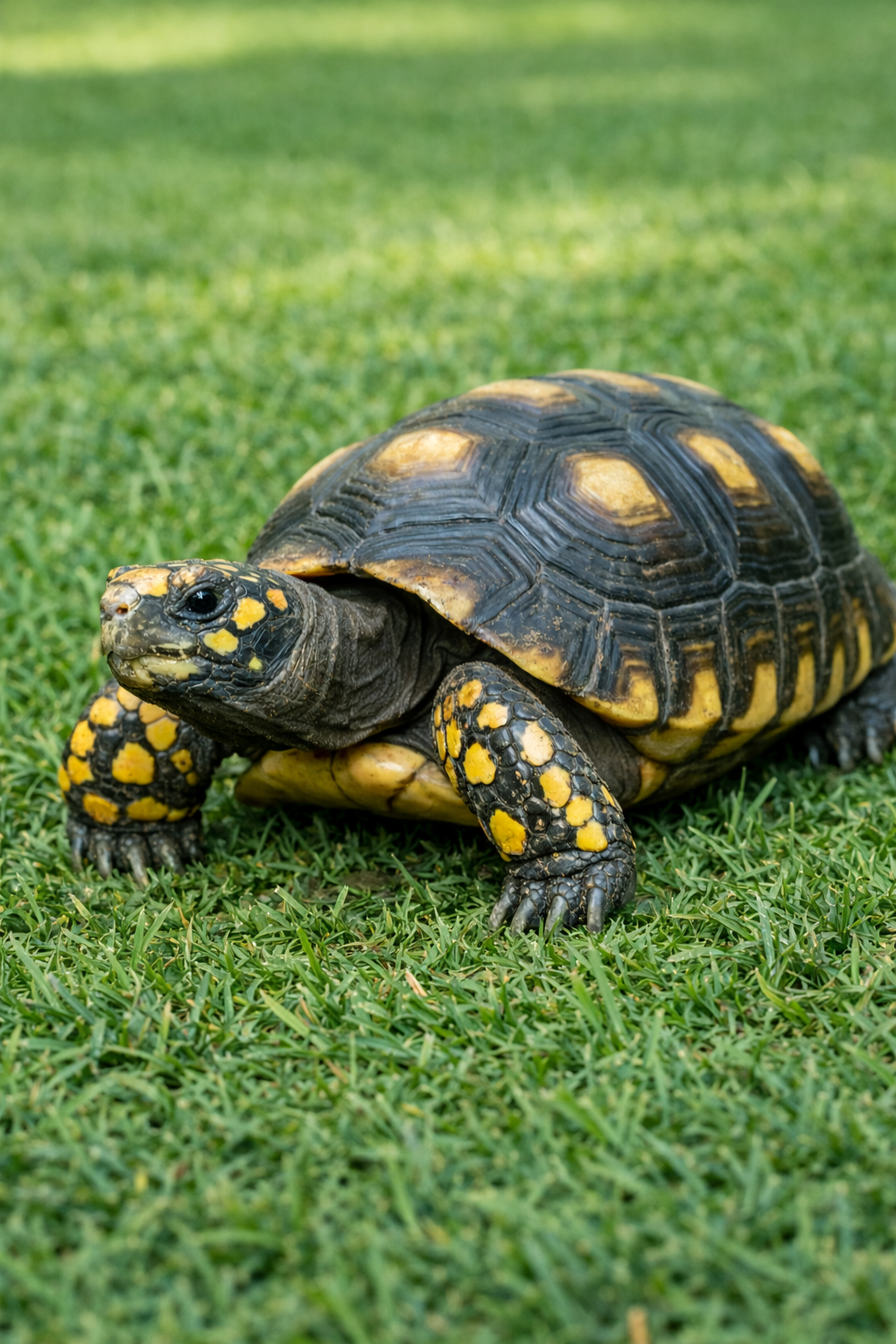
Amazon basin yellow footed tortoise
Price range: $500.00 through $1,500.00
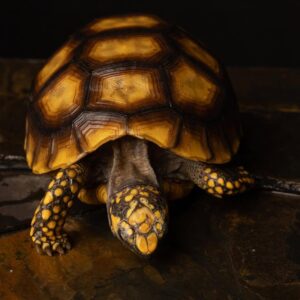
The Amazon basin yellow-footed tortoise (Chelonoidis denticulatus) is a large South American tortoise found in rainforests and known for the yellow or orange scales on its limbs. It is a popular pet and is classified as Vulnerable on the IUCN Red List due to habitat loss and overexploitation for food and the pet trade.
Yellow Foot Tortoise for Sale: Complete 2026 Buyer’s Guide 🐢
If you’re searching for a yellow foot tortoise for sale, you’re considering one of the most personable and beautiful tortoise species available to reptile enthusiasts. The yellow-footed tortoise (Chelonoidis denticulatus), native to the tropical forests of South America, has become increasingly popular among keepers who appreciate their striking coloration, interactive behavior, and manageable size. Unlike many desert tortoise species, these rainforest dwellers thrive in humid environments and develop strong bonds with their caregivers.
This comprehensive guide will walk you through everything you need to know before purchasing your yellow foot tortoise from identifying reputable breeders to understanding the long-term commitment these magnificent creatures require. Whether you’re a first-time tortoise owner or adding to your existing collection, you’ll discover the essential information to make an informed decision.
What Makes Yellow Foot Tortoises Special?
Yellow foot tortoises stand out in the reptile world for several compelling reasons. These medium-sized tortoises typically reach 10-14 inches in length, with males occasionally growing larger. Their most distinctive features include vibrant yellow, orange, or red scales on their legs and head—hence their common name.
Key characteristics that make them exceptional pets:
- Highly interactive personality – They recognize their owners and often approach for attention
- Stunning appearance – Dark shell with yellow markings creates a beautiful contrast
- Moderate size – Large enough to be impressive but manageable for most keepers
- Longevity – Can live 50-60+ years with proper care
- Adaptable temperament – Generally docile and handleable once acclimated
Unlike the spur thighed tortoise for sale in European markets or the Texas tortoise for sale in arid regions, yellow footed tortoises require tropical conditions with higher humidity (70-80%) and warmer temperatures.
Where to Find Yellow Foot Tortoise for Sale 🔍
Finding a healthy, ethically-sourced yellow footed tortoise for sale requires research and patience. Never purchase from questionable sources, as this supports illegal wildlife trafficking and often results in sick animals.
Reputable Sources
Specialized Reptile Breeders Professional breeders who focus on tortoises provide the best option. They offer:
- Captive-bred specimens with known genetics
- Health guarantees and documentation
- Ongoing support and care advice
- Proper sexing and age information
Reptile Expos and Shows These events allow you to meet breeders face-to-face, examine animals personally, and ask detailed questions. Always request proof of captive breeding.
Licensed Online Retailers Established online reptile vendors with strong reputations can ship healthy tortoises safely. Look for:
- Multiple positive reviews spanning several years
- Clear health guarantees
- Live arrival guarantees
- Transparent communication
What to Avoid
- Wild-caught specimens (illegal in most countries)
- Sellers without proper documentation
- Animals offered significantly below market value
- Sellers unwilling to provide health records or photos
- Classified ads from non-specialized sources
For those in the UK specifically searching for yellow footed tortoise for sale UK options, ensure the seller has proper CITES documentation, as these tortoises are protected under international trade regulations.
Pricing and Initial Investment 💰
A healthy captive-bred yellow foot tortoise typically costs between $200-$500, depending on age, size, and coloration. Hatchlings generally cost less ($200-$300), while well-started juveniles or proven adults command higher prices.
Complete startup costs include:
- The tortoise itself: $200-$500
- Enclosure: $150-$400 (depending on size and quality)
- Heating equipment: $75-$150 (heat lamps, ceramic heaters, thermostats)
- UVB lighting: $40-$80
- Substrate: $30-$60
- Food and water dishes: $20-$40
- Humidity equipment: $30-$100 (misting system or fogger)
- Initial veterinary exam: $50-$150
Total initial investment: $595-$1,480
While this may seem substantial compared to a miniature tortoise for sale, remember that yellow foots are a 50+ year commitment. Spreading this cost over their lifetime makes them remarkably affordable companions.
Essential Care Requirements 🌿
Housing Setup
Yellow foot tortoises need spacious enclosures that replicate their tropical forest habitat. A single adult requires minimum 8×4 feet of floor space, though larger is always better.
Indoor enclosure essentials:
- Tortoise table or custom-built enclosure
- Cypress mulch or coconut coir substrate (4-6 inches deep)
- Basking spot reaching 90-95°F
- Cool side temperature of 75-80°F
- Nighttime temperature no lower than 70°F
- UVB lighting (10-12 hours daily)
- Multiple hiding spots
- Large water dish for soaking
Outdoor housing (when weather permits):
- Secure, predator-proof pen
- Both sunny and shaded areas
- Natural vegetation for browsing
- Shelter from rain and extreme temperatures
Diet and Nutrition
These omnivorous tortoises require varied diets rich in calcium and fiber:
Daily foods (70-80% of diet):
- Dark leafy greens (collard, mustard, dandelion greens)
- Vegetables (squash, bell peppers, carrots)
- Cactus pads (opuntia)
- Hibiscus flowers and leaves
Protein sources (10-15% of diet, 2-3 times weekly):
- Earthworms
- Snails
- High-quality tortoise pellets
- Occasional hard-boiled egg
Fruits (10% of diet, as treats):
- Mango, papaya, berries
- Figs and prickly pear fruit
Always dust food with calcium powder 3-4 times weekly and multivitamins once weekly.
Health Considerations and Veterinary Care 🏥
Purchasing from reputable sources significantly reduces health risks, but understanding common issues helps you maintain a healthy tortoise.
Signs of a Healthy Yellow Foot Tortoise
When examining yellow foot tortoises for sale, look for:
- Clear, bright eyes without discharge
- Active, alert behavior
- Firm, well-shaped shell without pyramiding
- Clean nostrils and mouth
- Good weight (not too thin or obese)
- Responsive to touch and movement
- Clean vent area
Common Health Issues
Respiratory Infections The most frequent problem, usually caused by low temperatures or humidity. Symptoms include wheezing, nasal discharge, and lethargy.
Shell Rot Bacterial or fungal infections from excessive moisture without proper hygiene. Appears as soft spots or discoloration on the shell.
Parasites Both internal and external parasites can affect tortoises. Annual fecal exams detect internal parasites before they cause problems.
Metabolic Bone Disease Results from inadequate UVB exposure or calcium deficiency. Causes soft shells and deformities.
Veterinary Care
Find a reptile-specialized veterinarian before purchasing your tortoise. Schedule:
- Initial health check within 48 hours of purchase
- Annual wellness exams
- Fecal parasite screening yearly
- Immediate appointments for any concerning symptoms
Legal Considerations and Documentation 📋
Yellow foot tortoises are protected under CITES (Convention on International Trade in Endangered Species) Appendix II. This means:
- All sales must include proper documentation
- Interstate transport may require permits
- International shipping requires CITES permits
- Breeding records should be maintained
- Some states have additional regulations
Always request:
- Bill of sale with seller’s information
- Proof of captive breeding
- Any relevant permits or certificates
- Health records from veterinary exams
Keeping thorough documentation protects both you and the tortoise, proving legal acquisition should questions ever arise.
Yellow Foot vs. Other Species 🐢
Many buyers compare yellow foot tortoises to other available species:
vs. Spur Thighed Tortoise The spur thighed tortoise for sale appeals to Mediterranean climate keepers. They’re smaller, require less humidity, and tolerate cooler temperatures. Yellow foots offer more interaction and vibrant coloring but need tropical conditions.
vs. Texas Tortoise Texas tortoises are North American natives adapted to arid conditions opposite of yellow foots. They’re better for desert-style setups and stay smaller.
vs. Miniature Species While a miniature tortoise for sale might seem appealing for space-limited homes, yellow foots provide more personality and hardiness despite their larger size.
The best choice depends on your climate, available space, and the type of habitat you’re excited to create.
Long-Term Commitment and Lifestyle Considerations ⏰
Before purchasing, honestly assess whether you’re prepared for 50+ years of care:
Time requirements:
- Daily feeding and water changes (15-20 minutes)
- Weekly enclosure cleaning (30-60 minutes)
- Regular health monitoring
- Seasonal outdoor time supervision
Financial obligations:
- Monthly food costs: $30-$60
- Annual veterinary care: $100-$300
- Substrate replacement: $50-$100 annually
- Electricity for heating/lighting: $20-$40 monthly
- Equipment replacement as needed
Lifestyle factors:
- Vacation arrangements require knowledgeable pet sitters
- Moving becomes more complex with large enclosures
- Life changes (college, career, family) must accommodate care
- Inheritance planning ensures care continues after your lifetime
These magnificent creatures deserve owners who view them as lifetime companions, not temporary pets.
Expert Tips for New Yellow Foot Owners 💡
Start with juveniles, not hatchlings While hatchlings cost less, 6-12 month old juveniles are hardier and more forgiving of minor care mistakes. They’ve passed the most vulnerable life stage.
Invest in quality equipment upfront Cheap heating elements fail more frequently and lack proper temperature regulation. Reliable equipment prevents health problems and saves money long-term.
Create naturalistic environments Yellow foots thrive with environmental enrichment. Add logs for climbing, varied substrate depths, live plants (tortoise-safe), and hiding spots to encourage natural behaviors.
Join tortoise communities Online forums and local reptile groups provide invaluable support, troubleshooting advice, and species-specific knowledge that exceeds general care sheets.
Document everything Keep a journal of feeding habits, growth measurements, shed schedules, and any health concerns. Patterns emerge that help you optimize care and assist veterinarians during health issues.
Conclusion
Finding the perfect yellow foot tortoise for sale marks the beginning of an incredible journey with one of the reptile world’s most rewarding species. These charismatic tortoises bring decades of companionship, educational opportunities, and the satisfaction of successfully maintaining a piece of South American rainforest in your home.
By choosing reputable breeders, investing in proper equipment, and committing to their specialized care requirements, you’ll ensure your yellow foot tortoise thrives for generations. Remember that these aren’t impulse purchases they’re family members who will likely outlive many of the pets around them.
Take your time, do thorough research, and when you find the right tortoise from the right source, you’ll have made a friend for life. 🌟
Frequently Asked Questions (FAQ Schema)
Q1: How long do yellow foot tortoises live in captivity? A: Yellow foot tortoises typically live 50-60 years with proper care, though some individuals have reached 70+ years. They require consistent long-term care throughout their lives.
Q2: What size enclosure does a yellow foot tortoise need? A: Adult yellow foot tortoises require minimum 8×4 feet of floor space, though larger enclosures promote better health and natural behaviors. Hatchlings can start in smaller enclosures but quickly outgrow them.
Q3: Can yellow foot tortoises live with other tortoise species? A: It’s not recommended to house yellow foot tortoises with other species due to different environmental requirements and potential disease transmission. Multiple yellow foots can cohabitate with adequate space.
Q4: Do yellow foot tortoises need UVB lighting? A: Yes, UVB lighting is essential for calcium metabolism and vitamin D3 synthesis. Provide 10-12 hours of quality UVB exposure daily, replacing bulbs every 6-12 months even if they still produce visible light.
Q5: Are yellow foot tortoises good pets for beginners? A: Yellow foot tortoises can work for dedicated beginners willing to research and invest in proper equipment. Their humidity requirements are more demanding than desert species, but their hardiness and personality make them rewarding for committed keepers.
| Size | Baby, Juvenile, Young Adult, Adult |
|---|---|
| sex | male, female |
Be the first to review “Amazon basin yellow footed tortoise”
Related products
Tortoise
Tortoise
Tortoise
Tortoise
Tortoise
Tortoise
Tortoise
Reviews
There are no reviews yet.