


🐢 Premium Tortoises for Sale: Your Complete Guide to Buying Healthy Pet Tortoises Online
Finding tortoises for sale from reputable sources has never been more important for prospective reptile owners. Whether you’re searching for a Madagascar flat shelled spider tortoise for sale or considering your first baby tortoise, understanding what makes a quality breeder and how to select a healthy specimen is crucial for your pet’s longevity and your satisfaction as an owner.
The tortoise trade has evolved significantly, with many enthusiasts now choosing to buy tortoise online from specialized breeders who prioritize ethical breeding practices and animal welfare. This comprehensive guide walks you through everything you need to know about purchasing these remarkable creatures, from species selection to long-term care considerations.
🌟 Understanding Different Tortoise Species Available
Popular Species for Pet Owners
When you where to buy pet tortoise online, you’ll encounter several species ideal for captive care:
Beginner-Friendly Species:
- Russian Tortoises (Agrionemys horsfieldii) – Hardy, compact, and adaptable
- Greek Tortoises (Testudo graeca) – Docile temperament, moderate size
- Hermann’s Tortoises (Testudo hermanni) – Excellent for first-time owners
Intermediate to Advanced Options:
- Sulcata Tortoises (Centrochelys sulcata) – Require significant space as adults
- Leopard Tortoises (Stigmochelys pardalis) – Stunning patterns, specific humidity needs
- Red-Footed Tortoises (Chelonoidis carbonarius) – Omnivorous diet requirements
Rare and Specialty Species:
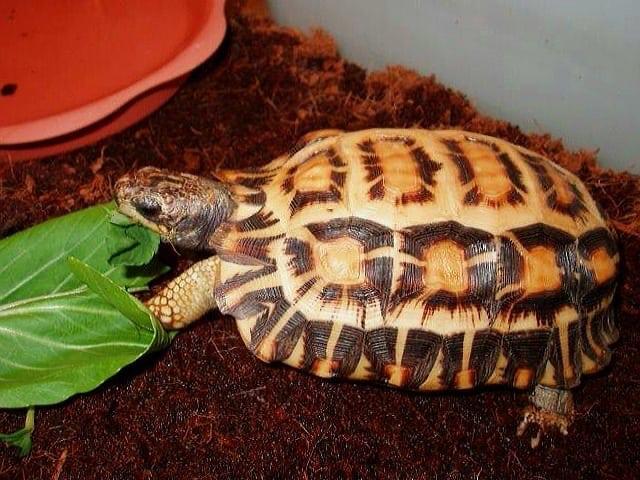
- Madagascar flat shelled spider tortoise for sale – Critically endangered, requires expert permits
- Radiated Tortoises (Astrochelys radiata) – Beautiful but highly regulated
Each species has distinct care requirements, adult sizes ranging from 6 inches to over 30 inches, and lifespans that can exceed 50-100 years in proper conditions.
✅ What to Look for When Buying Tortoises
Signs of a Healthy Tortoise
Before you buy tortoise online or from a local breeder, examine these critical health indicators:
Physical Examination Checklist:
- Eyes – Clear, bright, and fully open without discharge
- Shell – Firm with no soft spots, pyramiding, or unusual discoloration
- Nostrils – Dry and clean (no bubbling or discharge)
- Weight – Substantial for size, not emaciated
- Activity Level – Alert and responsive to surroundings
- Legs and Feet – Strong, no swelling or abnormalities
Healthy tortoises actively explore their environment, demonstrate strong appetites, and maintain proper body condition. Avoid specimens that appear lethargic, have sunken eyes, or show signs of respiratory distress like gaping mouths or wheezing.
Verifying Breeder Credibility
When searching where to buy tortoise online, prioritize breeders who:
- Provide detailed health certificates and veterinary records
- Offer live arrival guarantees and reasonable return policies
- Share transparent breeding practices and lineage information
- Demonstrate extensive species knowledge
- Maintain proper permits for regulated species
- Show current photos and videos of available animals
Legitimate breeders welcome questions and provide ongoing support after purchase. Red flags include reluctance to share facility photos, pressure tactics, or unwillingness to discuss care requirements.
🏆 Benefits of Purchasing from Professional Breeders
Why Quality Matters
Captive-Bred Advantages:
- Better adapted to captive environments
- Lower parasite loads and disease risk
- Documented lineage prevents inbreeding
- Support sustainable conservation efforts
- Typically calmer temperaments
Health Guarantees: Professional operations offering tortoises for sale provide 7-14 day health guarantees, ensuring your investment is protected. This includes coverage for pre-existing conditions that may not have been apparent during initial examination.
Educational Support: Reputable breeders serve as lifelong resources, offering guidance on enclosure setup, dietary requirements, seasonal care adjustments, and troubleshooting health concerns.
Cons to Consider
Initial Investment: Quality tortoises command premium prices ($150-$500+ depending on species), reflecting proper care, veterinary oversight, and ethical breeding practices.
Shipping Considerations: When you where to buy baby tortoises online, overnight shipping adds $50-$150 to costs, though professional packaging ensures safe arrival.
Long-Term Commitment: Tortoises require decades of care, specialized environments, and consistent financial investment in food, lighting, heating, and veterinary care.
📋 Step-by-Step Guide to Purchasing Your Tortoise
Before You Buy
1. Research Species Requirements Match the tortoise to your climate, available space, and experience level. A Sulcata reaching 100+ pounds needs vastly different accommodations than a 6-inch Russian tortoise.
2. Prepare the Enclosure Set up heating (basking spot: 95-100°F, cool side: 75-80°F), UVB lighting (10-12 hours daily), substrate, hides, and water dishes before arrival.
3. Budget for Ongoing Costs Monthly expenses include quality feed ($20-40), electricity for heating/lighting ($15-30), and annual veterinary checkups ($100-200).
Making the Purchase
4. Contact Multiple Breeders Compare pricing, availability, and policies when looking where to buy pet tortoise online. Request recent photos and ask species-specific questions to gauge expertise.
5. Verify Legality Confirm you can legally own your chosen species in your state/country. Some species require permits or are prohibited in certain jurisdictions.
6. Arrange Shipping or Pickup Schedule delivery for early-week arrival, ensuring you’re available to receive and acclimate your new pet immediately.
7. Quarantine Protocol Isolate new tortoises for 30-60 days if you own other reptiles, monitoring for signs of illness before introduction.
🔬 Expert Insights on Tortoise Selection
After 15 years working with chelonians, I’ve observed that where to buy baby tortoises online matters more than most beginners realize. Hatchlings from established breeding programs consistently show better growth rates, stronger immune systems, and fewer developmental issues than those from mass-production facilities.
Temperature-dependent sex determination means incubation temperatures determine gender. Ethical breeders produce balanced ratios, while less scrupulous operations may flood the market with predominantly male or female hatchlings, impacting future breeding possibilities and behavior.
The Madagascar flat shelled spider tortoise for sale represents an extreme example of why sourcing matters. This critically endangered species requires CITES permits, and purchasing from unauthorized sellers contributes to population decline. Legal specimens come from registered conservation breeding programs at substantially higher costs ($3,000+), reflecting the specialized care and regulatory compliance required.
💡 Essential Care Tips for New Owners
Setting Up for Success
Enclosure Specifications:
- Hatchlings: 2-4 square feet minimum
- Adults: Species-dependent; calculate 10x shell length × 5x shell length
- Outdoor housing: Ideal when climate permits (6+ months annually)
Dietary Foundations: Most species thrive on:
- 75-80% leafy greens (dandelion, collard, turnip greens)
- 15-20% vegetables (squash, cactus pads, bell peppers)
- 5% fruits (occasional treats)
- Calcium supplementation 3-4 times weekly
Common Mistakes to Avoid: ❌ Inadequate UVB exposure leading to metabolic bone disease
❌ Improper humidity causing respiratory infections or shell problems
❌ Protein-heavy diets creating pyramiding and kidney damage
❌ Insufficient space limiting exercise and natural behaviors
🎯 Conclusion
Purchasing tortoises for sale represents the beginning of a multi-decade relationship with one of nature’s most ancient and fascinating creatures. By choosing to buy tortoise online from ethical, knowledgeable breeders who prioritize animal welfare over profit margins, you ensure your shelled companion starts life with the best possible foundation.
Whether you’re seeking baby tortoises online for their adorable factor or researching specialty species like the Madagascar flat shelled spider tortoise, remember that proper research, adequate preparation, and commitment to long-term care determine success far more than initial purchase price.
Invest time in finding the right breeder, asking questions, and preparing appropriate housing before bringing your new tortoise home. These remarkable animals reward responsible ownership with decades of companionship, teaching us patience, responsibility, and appreciation for the slower pace of life. 🐢
❓ Frequently Asked Questions (FAQ Schema)
Q1: How much do tortoises for sale typically cost? A: Tortoise prices range from $100-$500 for common species like Russians and Greeks, while rare species can exceed $1,000-$5,000. Costs vary based on age, species rarity, and breeder reputation.
Q2: Is it safe to buy tortoise online? A: Yes, purchasing from reputable breeders with health guarantees, proper shipping protocols, and transparent practices is safe. Verify credentials, read reviews, and ensure live arrival guarantees before purchasing.
Q3: What’s the best tortoise species for beginners? A: Russian tortoises, Hermann’s tortoises, and Greek tortoises are ideal for first-time owners due to their manageable adult size (6-8 inches), hardy nature, and straightforward care requirements.
Q4: Where to buy baby tortoises online legally? A: Purchase from licensed breeders with USDA certification, proper permits for regulated species, and membership in reptile organizations like the Tortoise & Turtle Society. Always verify legal ownership in your jurisdiction.
Q5: How long do pet tortoises live? A: Most tortoise species live 50-100+ years with proper care. Smaller species average 50-75 years, while larger species like Sulcatas and Aldabras can exceed 100 years, making them lifetime companions.
| Size | Baby, Juvenile, Young Adult, Adult |
|---|---|
| sex | male, female |
Be the first to review “Madagascar flat shelled spider tortoise”
Related products

Tortoise

Tortoise
Tortoise

Tortoise

Tortoise

Tortoise
Tortoise

Tortoise
Reviews
There are no reviews yet.