
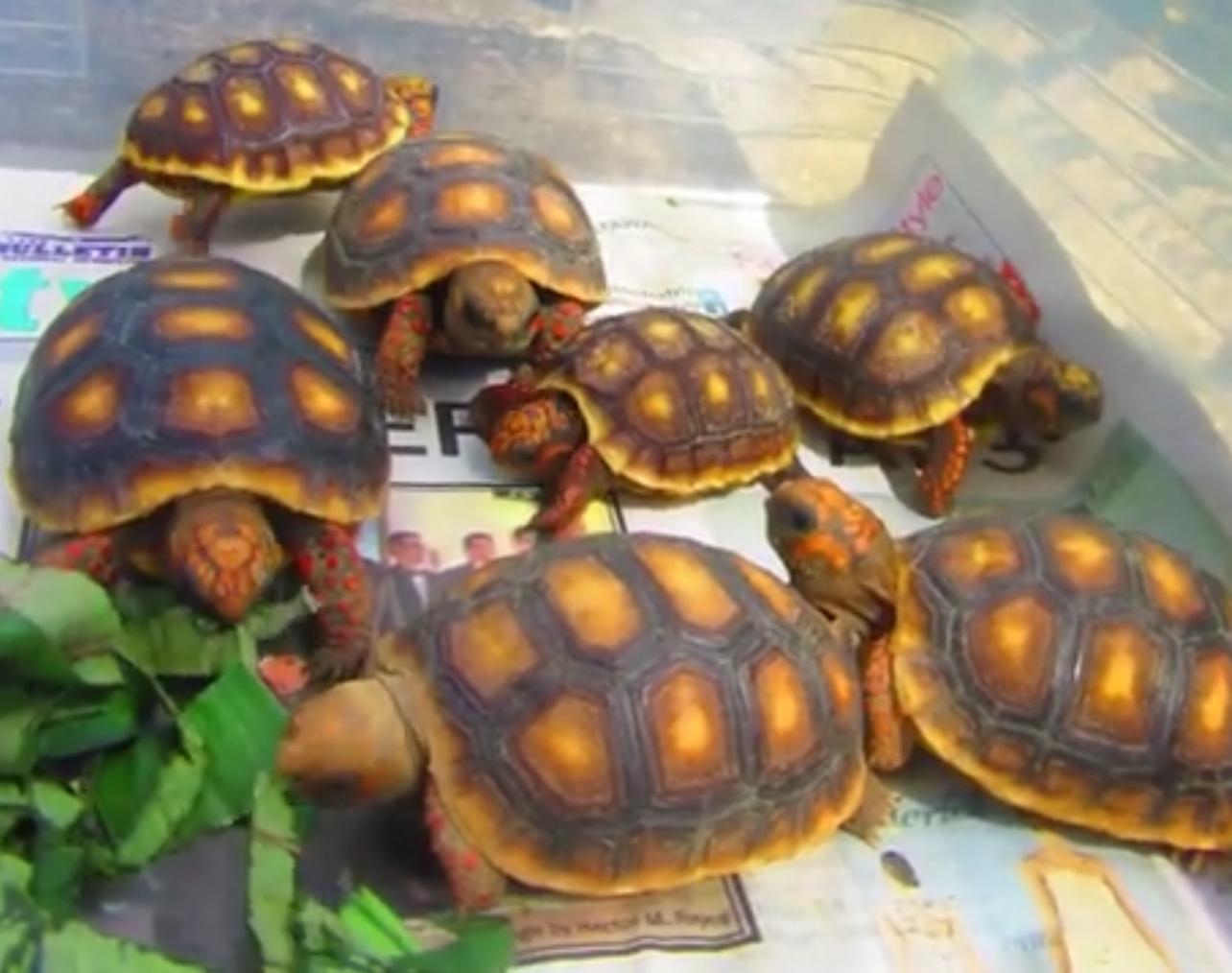
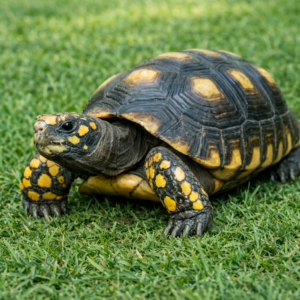
Neon red footed tortoise
Price range: $750.00 through $2,500.00
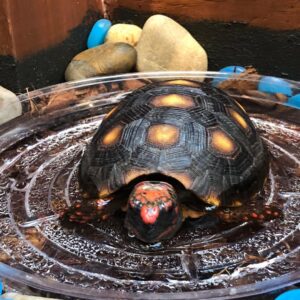
A “neon red” red-footed tortoise is a descriptive term used by some breeders, such as The Turtle Source, for a specific captive-bred individual with exceptionally bright red and orange coloration, rather than a recognized subspecies or scientific morph. Most red-footed tortoises naturally have varied red to yellow markings, but a “neon red” is selectively bred for intensified color.
🐢 Tortoise for Sale Near Me: Complete 2026 Buyer’s Guide
Finding a tortoise for sale near me has become increasingly popular as more people discover these fascinating reptiles make incredible lifelong companions. Unlike dogs or cats, tortoises can live 50-100+ years, making them truly generational pets that create lasting family memories. Whether you’re seeking a vibrant neon red footed tortoise for sale or a majestic leopard tortoise for sale, this comprehensive guide will walk you through everything you need to know before bringing one of these ancient creatures home.
The tortoise market has evolved significantly, with reputable breeders, specialty reptile stores, and certified rescue organizations now offering healthier animals and better support than ever before. However, navigating this marketplace requires knowledge understanding species requirements, recognizing healthy specimens, and identifying trustworthy sellers separate successful tortoise owners from those who face expensive mistakes.
🔍 Understanding Different Tortoise Species Available
Popular Species You’ll Find Locally
Leopard Tortoises The leopard tortoise for sale represents one of the most sought-after species in North America. These stunning African natives feature distinctive yellow and black patterns resembling a leopard’s coat. Adults reach 18-24 inches and require spacious outdoor enclosures in warm climates or large indoor habitats in cooler regions. Their docile temperament and impressive size make them favorites among experienced keepers.
Red-Footed Tortoises When searching for a red foot tortoise for sale, you’ll discover medium-sized tortoises (12-16 inches) known for their vibrant red and orange leg scales. South American natives, these omnivores enjoy varied diets including fruits, vegetables, and occasional protein. The neon red footed tortoise for sale variant displays exceptionally bright coloration a selectively bred trait commanding premium prices ($300-$800 for hatchlings).
Rare and Specialty Species Collectors seeking a rare tortoise for sale should explore Elongated tortoises, Spider tortoises, or Pancake tortoisesspecies with limited availability due to conservation status or breeding difficulty. A rare baby tortoise for sale typically costs $500-$3,000+ depending on species and lineage, with proper documentation absolutely essential.
Size and Space Considerations
- Small species (4-8 inches): Russian, Greek, Hermann’s tortoises
- Medium species (10-16 inches): Red-footed, Yellow-footed tortoises
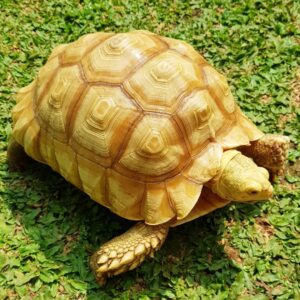
- Large species (18-30 inches): Sulcata, Leopard, Aldabra tortoises
💰 What to Expect: Pricing and Cost Breakdown
Initial Purchase Costs
| Species | Hatchling Price | Juvenile Price | Adult Price |
|---|---|---|---|
| Russian Tortoise | $150-$300 | $250-$400 | $400-$700 |
| Red-Footed Tortoise | $200-$400 | $350-$600 | $600-$1,200 |
| Leopard Tortoise | $250-$500 | $400-$800 | $800-$2,000 |
| Sulcata Tortoise | $100-$250 | $300-$500 | $500-$1,500 |
Lifetime Ownership Investment
Beyond the purchase price, budget for:
- Initial setup: $300-$1,500 (enclosure, heating, lighting, substrate)
- Annual food costs: $200-$600
- Veterinary care: $100-$300 yearly (wellness exams)
- Electricity: $15-$50 monthly (heat lamps, UVB lighting)
- Emergency medical fund: $500-$2,000 reserve recommended
🏪 Where to Find Tortoises for Sale Near You
Reputable Breeder Networks
Professional breeders offer captive-bred specimens with known genetics, health histories, and ongoing support. Look for breeders who:
✅ Provide health guarantees (minimum 7-14 days)
✅ Share detailed care sheets specific to their animals
✅ Allow facility visits or provide extensive photos/videos
✅ Belong to organizations like Turtle and Tortoise Preservation Group
✅ Maintain transparent breeding records
Local Reptile Stores and Expos
Specialty reptile shops provide hands-on evaluation before purchase. Reptile expos, held quarterly in most major cities, gather dozens of vendors offering competitive pricing. Pro tip: Attend expo opening hours for best selection; arrive with a proper transport container and cash for negotiating.
Online Marketplaces (Use Caution)
While convenient, online purchases require extra diligence:
- Verify seller reviews across multiple platforms
- Request recent photos/videos with date stamps
- Confirm overnight shipping methods (FedEx Priority/UPS Next Day)
- Understand “Live Arrival Guarantee” terms explicitly
- Never wire money or use non-reversible payment methods
✅ Identifying Healthy Tortoises: Expert Evaluation Tips
Visual Health Indicators
Excellent health signs:
- Clear, bright eyes without discharge or swelling
- Firm, smooth shell without pyramiding or soft spots
- Active movement with limbs fully extended
- Healthy weight (not emaciated or obese)
- Clean nose and mouth area
- Responsive to handling and environment
Red flags to avoid:
- Sunken or swollen eyes
- Soft, pliable shell areas
- Labored breathing or wheezing sounds
- Discharge from nose, eyes, or cloaca
- Lethargy or inability to right themselves
- Shell rot, cracks, or foul odors
Age Matters: Hatchling vs. Juvenile vs. Adult
Hatchlings (0-1 year) require intensive care, precise temperature/humidity control, and carry higher mortality risk. Juveniles (1-3 years) offer balance between bonding opportunity and survivability. Adults (4+ years) provide immediate enjoyment but may have established behavioral patterns and unknown histories.
🏡 Preparing Your Home Before Purchase
Indoor Habitat Essentials
Minimum enclosure sizes:
- Small species: 4′ x 8′ floor space
- Medium species: 6′ x 10′ floor space
- Large species: 8′ x 12’+ floor space (outdoor preferred)
Required equipment:
- Basking area (95-100°F for most species)
- Cool zone (75-80°F)
- UVB lighting (10-12 hours daily; Mercury vapor or T5 HO bulbs)
- Substrate (cypress mulch, coconut coir, or topsoil mix)
- Water dish and feeding station
- Hides and environmental enrichment
Outdoor Habitat Advantages
Tortoises thrive outdoors in appropriate climates. Benefits include:
- Natural UVB exposure and vitamin D3 synthesis
- Larger roaming areas promoting exercise
- Natural foraging opportunities
- Reduced equipment costs and maintenance
Climate requirements: Daytime temperatures 75-95°F, nighttime above 60°F, appropriate humidity (species-dependent: 40-80%).
🥗 Nutrition and Care Fundamentals
Species-Specific Dietary Needs
Grazing species (Mediterranean tortoises): 90% grasses/weeds, 10% leafy greens
Browsing species (Red-footed, Yellow-footed): 70% vegetables/greens, 20% fruits, 10% protein
Mixed feeders (Leopard, Sulcata): 80% grasses/hay, 20% vegetables
Calcium supplementation: Dust food 3-4 times weekly with calcium powder (without vitamin D3 for outdoor tortoises; with D3 for indoor).
Common Care Mistakes to Avoid
❌ Housing different species together (varying temperature/humidity needs)
❌ Feeding dog/cat food (causes kidney and liver damage)
❌ Using glass tanks (poor ventilation, stress from reflections)
❌ Skipping annual veterinary checkups
❌ Impulse purchasing without research
📋 Legal Considerations and Documentation
Permit Requirements
Many states regulate tortoise ownership, particularly for:
- Desert tortoises (protected in California, Nevada, Arizona)
- Large species exceeding certain sizes
- Endangered or threatened species
Always verify local, state, and federal requirements before purchasing. Violations can result in confiscation, fines up to $50,000, and criminal charges.
CITES Documentation
Rare tortoise species require CITES (Convention on International Trade in Endangered Species) permits. Legitimate sellers provide:
- Official CITES certificates
- Bill of sale with species scientific name
- Health certificates from licensed veterinarians
- Microchip numbers (for valuable specimens)
🎯 Making the Right Choice: Expert Recommendations
After 15+ years working with tortoise breeders and rescues, I recommend beginners start with:
- Russian tortoises – Hardy, small, cold-tolerant
- Hermann’s tortoises – Personable, manageable size
- Red-footed tortoises – Engaging, moderate care requirements
Avoid Sulcatas as first tortoises despite low prices their 100+ pound adult size and destructive excavation behaviors overwhelm unprepared owners, leading to high rehoming rates.
Real-world example: Sarah, a client from Phoenix, purchased a $50 hatchling Sulcata. Five years later, her 60-pound tortoise demolished garden irrigation, escaped weekly, and required a $3,000 reinforced enclosure. She ultimately surrendered him to a sanctuary—a common story.
🏆 Conclusion: Your Tortoise Journey Starts Here
Finding the perfect tortoise for sale near me requires patience, research, and commitment to long-term care. Whether you choose a charming red foot tortoise for sale or an impressive leopard tortoise for sale, prioritize health over price, and relationship with your breeder over convenience. These magnificent creatures deserve and reward informed, dedicated owners.
Remember: a tortoise isn’t a 5-year commitment; it’s potentially a 50-100 year family legacy. Choose wisely, prepare thoroughly, and you’ll enjoy one of nature’s most rewarding companionships. 🐢💚
❓ Frequently Asked Questions (FAQ Schema)
Q: How much does a tortoise for sale near me typically cost?
A: Prices range from $100-$500 for common species like Russian or Sulcata tortoises, $200-$800 for red-footed varieties, and $250-$2,000+ for leopard or rare tortoise species. Initial setup costs add $300-$1,500.
Q: What should I look for when buying a leopard tortoise for sale?
A: Examine for clear eyes, firm shell, active behavior, healthy weight, and clean respiratory passages. Request health guarantees, ask about feeding history, and verify the tortoise is captive-bred with proper documentation.
Q: Are neon red footed tortoises for sale harder to care for than standard red-footed tortoises?
A: No, neon red footed tortoises have identical care requirements to standard red-footed tortoises. The “neon” designation refers only to their enhanced coloration through selective breeding, not different husbandry needs.
Q: Where can I find rare baby tortoises for sale legally?
A: Purchase rare species only from USARK-member breeders, AZA-accredited facilities, or sellers providing CITES documentation. Verify permits are current and species is legal in your jurisdiction before purchasing.
Q: How long do red foot tortoises for sale typically live?
A: Red-footed tortoises live 50-90 years with proper care, with some individuals exceeding 100 years. This longevity requires long-term planning for their housing, dietary, and veterinary needs throughout your lifetime.
| Size | Baby, Juvenile, Young Adult, Adult |
|---|---|
| sex | male, female |
Be the first to review “Neon red footed tortoise”
Related products
Tortoise

Tortoise
Tortoise
Tortoise

Tortoise
Tortoise
Tortoise
Reviews
There are no reviews yet.