
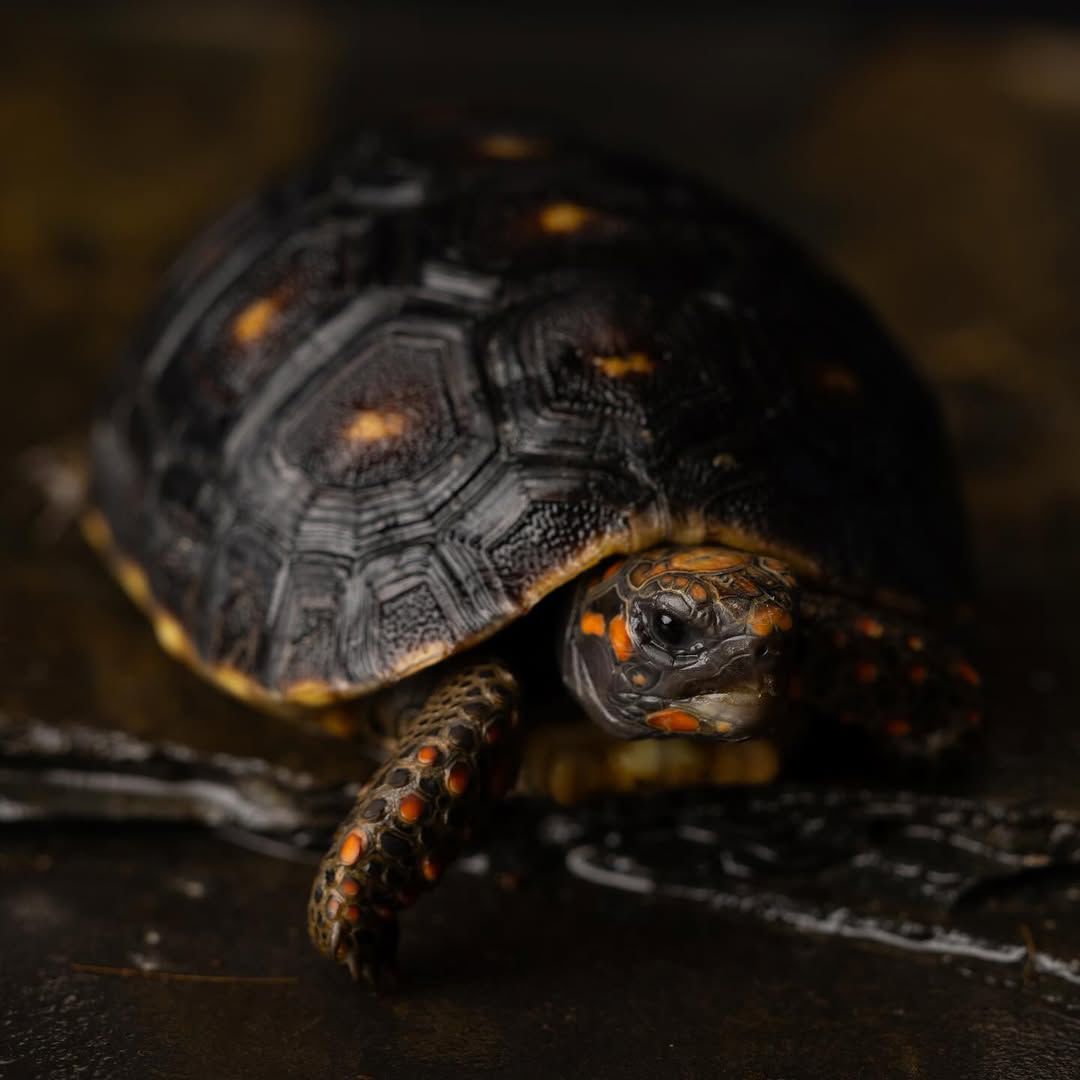
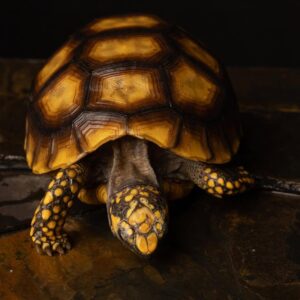
Black red footed tortoise


Price range: $350.00 through $2,500.00
The black red-footed tortoise (Chelonoidis carbonarius) is the standard form of the species, which has a dark brown to black carapace with a pale yellow or tan spot in the center of each scute, and distinctive bright red or orange scales on its limbs and head. The name of the species itself, carbonarius, means “coal-like”, referring to its dark shell.
Tortoise for Sale: Your Complete Guide to Choosing the Perfect Shelled Companion 🐢
If you’re searching for a tortoise for sale, you’re about to embark on an incredible journey with one of nature’s most fascinating creatures. These prehistoric reptiles can live for decades sometimes over a century making them truly lifelong companions. Whether you’re a first-time keeper or an experienced reptile enthusiast, choosing the right tortoise requires careful consideration of species, health indicators, and reputable sources.
The tortoise market has expanded significantly, with exotic varieties like the black red footed tortoise for sale becoming increasingly popular among collectors. These stunning melanistic variations showcase deep, rich coloration that sets them apart from standard morphs. But before you commit to any purchase, understanding what makes a healthy tortoise and where to buy one safely is absolutely critical. 🛡️
This comprehensive guide will walk you through everything you need to know about purchasing a tortoise, from identifying quality breeders to recognizing the unique characteristics of premium specimens like the black cherry head red footed tortoise.
Understanding Tortoise Species: What’s Right for You?
Popular Tortoise Species Available for Purchase
When browsing tortoises for sale, you’ll encounter various species, each with distinct care requirements and personalities:
- Red-Footed Tortoises: Medium-sized, omnivorous, and highly adaptable to various climates
- Russian Tortoises: Hardy, smaller species perfect for beginners
- Sulcata Tortoises: Large, grazing giants requiring significant outdoor space
- Hermann’s Tortoises: European species with excellent temperament
- Leopard Tortoises: Beautifully patterned with moderate care needs
The Allure of Black Red-Footed Tortoise Varieties
The black red-footed tortoise represents one of the most sought-after color morphs in the reptile community. These specimens display:
- Exceptionally dark shell coloration with minimal light scaling
- Deep burgundy or mahogany leg scales instead of bright red
- Enhanced melanin production creating a dramatic appearance
- Premium pricing due to selective breeding and rarity
The black cherry red foot tortoise takes this aesthetic even further, featuring almost jet-black shells with subtle cherry undertones visible in proper lighting. These remarkable animals command attention and represent the pinnacle of red-footed tortoise breeding programs.
How to Identify a Healthy Tortoise Before Purchasing
Critical Health Indicators
Before finalizing any tortoise purchase, conduct a thorough health assessment:
Eyes and Nose:
- Clear, bright eyes without discharge or swelling
- Nostrils free from bubbles, mucus, or crusty buildup
- Alert, responsive behavior when approached
Shell Condition:
- Firm, solid shell without soft spots (indicates metabolic bone disease)
- Smooth growth rings without pyramiding (excessive protein/improper humidity)
- No cracks, lesions, or abnormal discoloration
Body Weight and Activity:
- Good body weight relative to shell size not emaciated or obese
- Active movement when handled (lethargic tortoises often have underlying issues)
- Strong leg muscles that support the body properly
Behavior Assessment:
- Responsive to food offerings
- No wheezing or labored breathing
- Regular basking behavior when provided proper lighting
Where to Find Reputable Tortoises for Sale
Trusted Sources for Your Purchase
Specialized Reptile Breeders: The best source for a tortoise for sale is established breeders who specialize in chelonians. They offer:
- Complete health histories and lineage information
- Proper documentation and permits (required for some species)
- Post-purchase support and guidance
- Captive-bred specimens adapted to human care
Reptile Expos and Shows: These events connect you directly with breeders, allowing hands-on inspection before purchase. You can compare multiple specimens and negotiate pricing.
Accredited Pet Stores: Select specialty stores with knowledgeable staff and proper tortoise housing can be reliable, though options may be limited compared to breeders.
Red Flags to Avoid
❌ Sellers unwilling to provide health records or breeding information
❌ Tortoises housed in inadequate conditions (overcrowded, dirty enclosures)
❌ Wild-caught specimens (often stressed, parasite-laden, and illegal)
❌ Prices significantly below market value (potential health issues)
❌ Lack of proper permits for protected species
The Black Red-Footed Tortoise: A Premium Investment
What Makes Black Cherry Head Red Footed Tortoises Special?
The black cherry head red footed tortoise for sale represents selective breeding at its finest. Breeders specifically pair individuals with the darkest pigmentation to produce offspring with enhanced melanistic traits. Here’s what justifies their premium pricing:
Genetic Rarity: True black morphs result from recessive genes requiring careful lineage selection over multiple generations.
Visual Impact: The contrast between their dark shells and vivid head markings creates stunning aesthetics that standard morphs cannot match.
Collector Demand: Limited availability and high demand from serious collectors maintain strong market values.
Breeding Potential: Proven black genetics command premium prices for breeding programs.
When searching for a black red footed tortoise, expect to invest significantly more than standard color variations—typically 2-3 times the price of regular red-footed tortoises.
Essential Care Requirements: Are You Ready?
Housing Your New Tortoise
Indoor Setup Requirements:
- Minimum 8×4 feet for adult red-footed tortoises
- Heat gradient (75-95°F) with basking spot
- UVB lighting (10-12 hours daily) for calcium metabolism
- Humidity levels 60-80% for tropical species
Outdoor Enclosures:
- Secure perimeter preventing escape (tortoises are surprisingly adept climbers)
- Shaded areas and heated shelters for temperature regulation
- Protection from predators (dogs, raccoons, birds of prey)
- Safe, edible plant landscaping
Nutritional Needs
Red-footed tortoises, including black cherry red foot tortoise specimens, are omnivorous and require:
- 70% dark leafy greens (collard greens, dandelion, endive)
- 20% vegetables (squash, carrots, bell peppers)
- 10% protein (insects, pinkie mice occasionally)
- Calcium supplementation 3-4 times weekly
- Fresh water available daily
Pricing Guide: What to Expect When Buying
Market Value Breakdown
Standard Red-Footed Tortoises:
- Hatchlings: $150-$250
- Juveniles (2-4 years): $300-$500
- Adults: $400-$800
Black Red-Footed Tortoise Morphs:
- Hatchlings: $400-$700
- Juveniles: $800-$1,500
- Adults: $1,200-$3,000+
Premium Black Cherry Head Specimens:
- Exceptional genetics: $2,000-$5,000+
Pricing varies based on age, size, color intensity, and breeder reputation. Always request recent photos and health certificates before committing to higher-priced specimens.
Legal Considerations and Permits
Regulatory Compliance
Before purchasing any tortoise for sale, verify:
CITES Regulations: Many tortoise species require documentation proving legal captive breeding. International sales need proper permits.
State and Local Laws: Some jurisdictions restrict or prohibit certain species. Research your area’s regulations thoroughly.
Seller Credentials: Reputable breeders maintain all necessary licenses and provide documentation with each sale.
Future Considerations: Understand long-term legal obligations, including interstate transport restrictions and inheritance planning for these long-lived animals.
Expert Tips for First-Time Tortoise Owners
After two decades working with chelonians, I’ve witnessed countless new owners make preventable mistakes. Here’s my professional advice:
Start with a Juvenile: Hatchlings require intensive care and have higher mortality rates. 6-12 month juveniles offer better survival odds while still allowing you to enjoy their growth journey.
Invest in Quality Equipment Upfront: Cheap heating and lighting equipment fails frequently and can harm your tortoise. Purchase reliable thermostats and quality UVB bulbs from day one.
Build Relationships with Exotic Veterinarians: Locate a qualified reptile veterinarian BEFORE emergencies arise. Annual check-ups catch issues early when treatment is most effective.
Document Everything: Photograph your tortoise regularly, track weight monthly, and maintain feeding logs. These records prove invaluable for health monitoring and veterinary consultations.
Join Tortoise Communities: Online forums and local herpetological societies provide support, troubleshooting help, and species-specific guidance from experienced keepers. 🤝
Conclusion: Making Your Tortoise Purchase Decision
Finding the perfect tortoise for sale requires patience, research, and commitment to providing excellent long-term care. Whether you’re captivated by the stunning appearance of a black red-footed tortoise or prefer classic species, prioritize health, legal compliance, and reputable sources above all else.
These remarkable creatures deserve knowledgeable, dedicated owners who understand their complex needs and extraordinary longevity. By following the guidelines outlined in this comprehensive guide, you’ll be fully prepared to welcome a tortoise into your life and provide the exceptional care these ancient animals require.
Remember: a tortoise isn’t just a pet it’s a multigenerational commitment that may outlive you. Choose wisely, prepare thoroughly, and enjoy the incredible journey ahead with your new shelled companion! 🐢✨
Frequently Asked Questions (FAQ Schema)
Q: How long do tortoises typically live in captivity?
A: Red-footed tortoises commonly live 50-70 years with proper care, while some species like Sulcatas can exceed 80-100 years. This makes them true lifetime commitments requiring estate planning considerations.
Q: What’s the difference between a black red-footed tortoise and standard red-footed tortoises?
A: Black red-footed tortoises are melanistic morphs with significantly darker shell and skin pigmentation due to selective breeding. They’re the same species (Chelonoidis carbonarius) but display enhanced black coloration instead of typical tan/brown shells.
Q: Can I keep multiple tortoises together?
A: Yes, but proper space is critical. Provide at minimum 40 square feet per adult tortoise, ensure multiple feeding stations to prevent competition, and monitor for aggressive behavior, especially among males during breeding season.
Q: Do tortoises need UVB lighting if they have outdoor access?
A: Natural sunlight is ideal, but tortoises spending significant time indoors absolutely require quality UVB lighting for vitamin D3 synthesis and calcium metabolism. Even outdoor tortoises benefit from supplemental UVB during winter months in temperate climates.
Q: What should I look for when buying a black cherry head red footed tortoise?
A: Verify deep, uniform dark coloration without fading, request parent photos to confirm genetic lineage, ensure the breeder provides health certificates, and expect premium pricing ($800-$3,000+) reflecting the rarity and selective breeding involved.
| Size | Baby, Juvenile, Young Adult, Adult |
|---|---|
| sex | male, female |
Be the first to review “Black red footed tortoise”
Related products

Tortoise
Tortoise
Tortoise
Tortoise

Tortoise
Tortoise

Tortoise

Tortoise
Reviews
There are no reviews yet.