
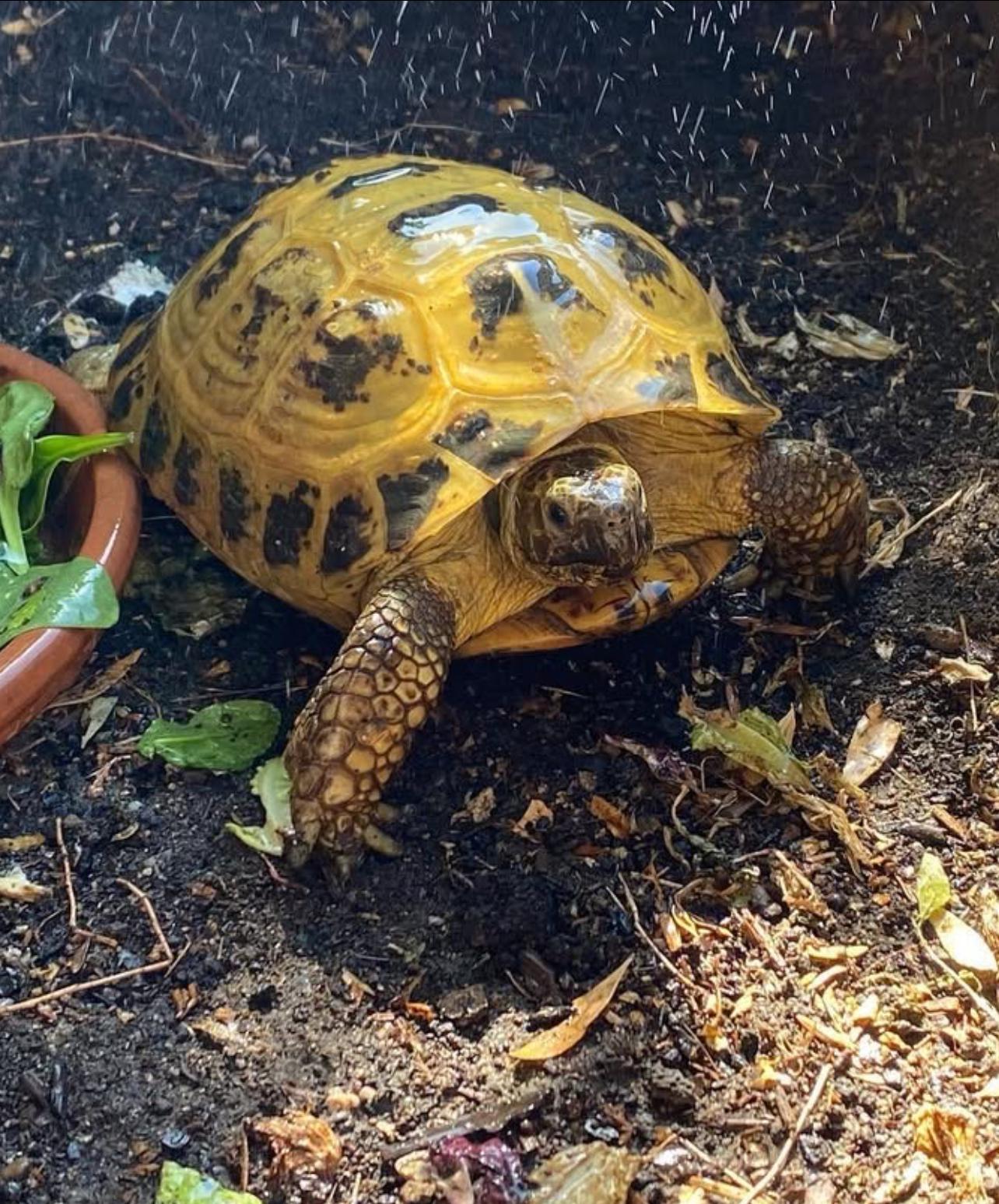
Russian tortoise


Price range: $350.00 through $1,500.00
The Russian tortoise (Testudo horsfieldii), also known as the Horsfield’s tortoise or four-clawed tortoise, is a popular pet species due to its small size (5-10 inches) and relatively easy care requirements. Native to the dry, arid steppes and rocky deserts of Central Asia, they are active, curious, and long-lived, often exceeding 40-50 years in captivity
Russian Tortoise for Sale: Complete 2026 Buyer’s Guide 🐢
Finding a healthy russian tortoise for sale requires more than just browsing local pet stores. As one of the most popular tortoise species for beginners and experienced keepers alike, Russian tortoises (Testudo horsfieldii) deserve careful consideration before purchase. These hardy, personable reptiles can live 40-50 years with proper care, making your buying decision one that impacts decades of companionship. Whether you’re searching for a baby russian tortoise for sale or an adult specimen, understanding what to look for, where to buy, and how to prepare will ensure you bring home a thriving pet that becomes a beloved family member.
Why Russian Tortoises Make Exceptional Pets 🌟
Russian tortoises stand out among tortoise species for several compelling reasons. These compact reptiles typically reach 8-10 inches in length, making them manageable for most living spaces. Unlike larger species, they don’t require massive outdoor enclosures, though they certainly appreciate the space when available.
Their temperament ranks among the friendliest in the tortoise world. Russian tortoises often recognize their owners, show curiosity during feeding times, and display individual personalities that range from bold explorers to cautious observers. This interactive nature makes them particularly rewarding for families seeking an engaging pet.
Key advantages include:
- Hardy constitution suited for beginners
- Moderate size requirements (40-gallon minimum for adults)
- Active daytime behavior (diurnal species)
- Relatively simple dietary needs
- Cold-hardy nature allows outdoor housing in many climates
- Lower maintenance compared to tropical species
Where to Find Quality Russian Tortoises for Sale
Reputable Breeders vs. Pet Stores
When searching for russian tortoises for sale, your source matters tremendously. Reputable breeders who specialize in captive-bred tortoises offer several advantages over general pet stores. These specialists typically provide detailed lineage information, health guarantees, and ongoing support that proves invaluable for first-time owners.
What distinguishes quality breeders:
- Transparent health records – Complete veterinary documentation and feeding history
- Captive-bred guarantee – Ensures better health and legal compliance
- Post-purchase support – Guidance during the critical acclimation period
- Proper documentation – CITES permits when applicable
- Facility tours – Willingness to show breeding and housing conditions
Online vs. Local Options
Searching for “russian tortoises for sale near me” connects you with local breeders, reptile expos, and specialty stores. Local purchases allow in-person inspection before buying a significant advantage when assessing tortoise health.
However, reputable online sellers ship nationwide with specialized overnight delivery. Many established breeders operate primarily online, offering superior genetics and care standards compared to local options. Quality shippers use insulated boxes, heat packs (or cool packs), and guarantee live arrival.
Understanding Pricing and What You’re Paying For 💰
Expect to invest $100-$250 for a baby russian tortoise for sale from quality breeders. Adults typically range from $150-$350, while proven breeding females command $300-$500. These prices reflect proper husbandry, veterinary care, and responsible breeding practices.
Price factors include:
- Age and size – Hatchlings cost less but require more delicate care
- Sex – A female russian tortoise for sale typically costs 20-30% more than males due to breeding potential
- Genetic quality – Well-patterned specimens with vibrant coloring command premium prices
- Health guarantee duration – Better breeders offer 7-30 day health guarantees
- Captive-bred generations – Multi-generation captive stock costs more than wild-caught imports
Suspiciously low prices (under $75) often indicate wild-caught individuals, improper care, or health issues. These “bargains” frequently result in higher veterinary costs and heartbreak.
Selecting a Healthy Russian Tortoise: Expert Checklist ✅
Physical assessment indicators:
- Eyes: Clear, bright, alert with no discharge or swelling
- Nostrils: Dry with no bubbling or mucus (respiratory infections are common)
- Shell: Firm, smooth growth without pyramiding or soft spots
- Weight: Feels substantial when lifted, not hollow or overly light
- Activity level: Alert and responsive, attempting to walk when placed down
- Limbs: Full muscle tone, proportionate to body size
Behavioral red flags:
Lethargic tortoises that don’t respond to handling often harbor health issues. Consistent mouth breathing indicates respiratory distress. Runny stools or lack of recent defecation suggest digestive problems. Any tortoise keeping its eyes closed during the day likely suffers from illness or improper husbandry.
Request feeding demonstrations when possible. A healthy Russian tortoise eagerly accepts food and shows strong feeding response.
Male vs. Female: Which Should You Choose?
When browsing russian tortoise female for sale listings, understand the practical differences. Females grow slightly larger (8-10 inches versus 6-8 inches for males) and live longer on average. They may lay infertile eggs even without mating, requiring proper nesting substrate.
Males display more territorial behavior and shouldn’t be housed together after maturity. However, they’re often more interactive and bold with human handlers. For single-pet households, either sex thrives with proper attention.
Most hatchlings can’t be accurately sexed until 4-5 years old. Reputable sellers honestly disclose when tortoises are too young for definitive sexing rather than guessing.
Essential Setup Before Bringing Your Tortoise Home
Immediate housing requirements:
- 40-gallon enclosure minimum (larger is always better)
- UVB lighting (10-12 hours daily using 10.0 UVB bulbs)
- Basking spot reaching 95°F with ambient temps at 75-80°F
- Hide boxes for security (minimum two per enclosure)
- Substrate: Coconut coir, cypress mulch, or topsoil mixture
- Shallow water dish for soaking and drinking
Dietary preparation:
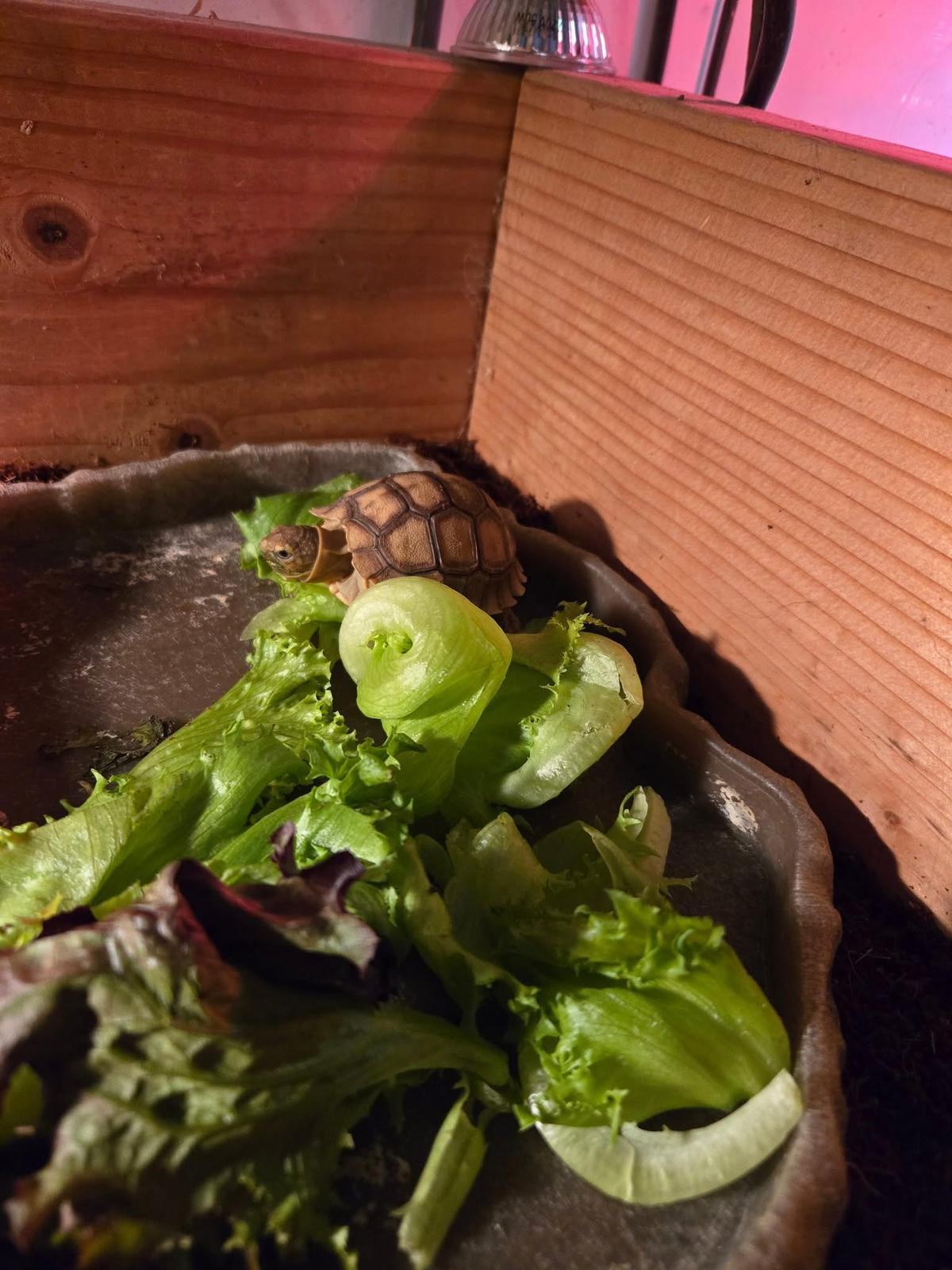
Stock up on leafy greens before arrival. Russian tortoises thrive on dandelion greens, collard greens, turnip greens, and endive. Avoid iceberg lettuce, spinach, and fruit (except rare treats). Calcium supplementation proves essential 2-3 times weekly.
Common Mistakes When Buying Russian Tortoises 🚫
Impulse purchases top the list of regrettable decisions. That cute hatchling at the reptile expo requires 40+ years of commitment. Research care requirements thoroughly before purchasing.
Inadequate quarantine when adding to existing collections spreads disease. New tortoises need 60-90 day isolation periods with separate equipment to prevent pathogen transmission.
Bargain shopping often backfires. That $50 tortoise from a questionable source may carry parasites, respiratory infections, or metabolic bone disease requiring hundreds in veterinary care.
Improper acclimation stresses new arrivals. Maintain quiet environments for 2-3 weeks, handle minimally, and monitor eating patterns closely during transition.
Legal Considerations and Documentation
Russian tortoises require CITES documentation for international sales, though domestic captive-bred sales typically need only health certificates. Some states restrict tortoise ownership research local regulations before purchasing.
Reputable sellers provide:
- Bill of sale with breeder information
- Hatching date or approximate age
- Care sheets specific to Russian tortoises
- Veterinary health certification (for premium purchases)
- Return policy details
Expert Perspective: 20 Years of Tortoise Keeping
After two decades breeding and caring for Russian tortoises, I’ve observed that success starts with purchasing decisions. The healthiest, most personable tortoises invariably come from breeders who prioritize animal welfare over profit margins.
Your tortoise’s first year determines long-term health outcomes. Tortoises from quality sources, raised on proper nutrition and UVB exposure, develop strong bones and immune systems. Those from substandard sources often show growth abnormalities and chronic health issues despite excellent subsequent care.
The extra $100-150 spent on a quality specimen from established breeders saves thousands in veterinary costs while providing a healthier, longer-lived companion.
Conclusion
Purchasing a russian tortoise for sale represents the beginning of a multi-decade relationship requiring informed decision-making. Prioritize reputable sources, thoroughly inspect potential pets, and prepare proper housing before bringing your tortoise home. Whether you choose a hatchling or adult, male or female, investing in quality from the start ensures your Russian tortoise thrives for generations to come. These remarkable reptiles reward thoughtful care with decades of fascinating behavior and genuine companionship.
FAQ Schema Section
1. How much does a Russian tortoise cost?
Russian tortoises typically cost $100-$250 for hatchlings and $150-$350 for adults from reputable breeders. Females and proven breeding stock command higher prices ($300-$500) due to their breeding potential and larger size.
2. Where can I buy a healthy Russian tortoise?
Purchase Russian tortoises from specialized reptile breeders, reptile expos with vetted vendors, or established online sellers with health guarantees. Avoid wild-caught specimens and suspiciously cheap offerings from unverified sources.
3. What’s the difference between male and female Russian tortoises?
Female Russian tortoises grow larger (8-10 inches) compared to males (6-8 inches) and may lay infertile eggs. Males display more territorial behavior but often interact more boldly with handlers. Both sexes make excellent pets when housed individually.
4. How can I tell if a Russian tortoise is healthy before buying?
Look for clear, alert eyes without discharge, dry nostrils, firm shells without pyramiding, substantial body weight, and active behavior. Healthy tortoises respond to handling and show strong appetite during feeding demonstrations.
5. Do Russian tortoises need special permits or documentation?
Domestic captive-bred Russian tortoises typically require only a bill of sale, though some states have specific reptile regulations. International purchases need CITES documentation. Always research local laws before purchasing and request proper documentation from sellers.
| Size | Baby, Juvenile, Young Adult, Adult |
|---|---|
| sex | male, female |
Be the first to review “Russian tortoise”
Related products

Tortoise
Tortoise

Tortoise
Tortoise
Tortoise
Tortoise

Tortoise
Tortoise
Reviews
There are no reviews yet.