
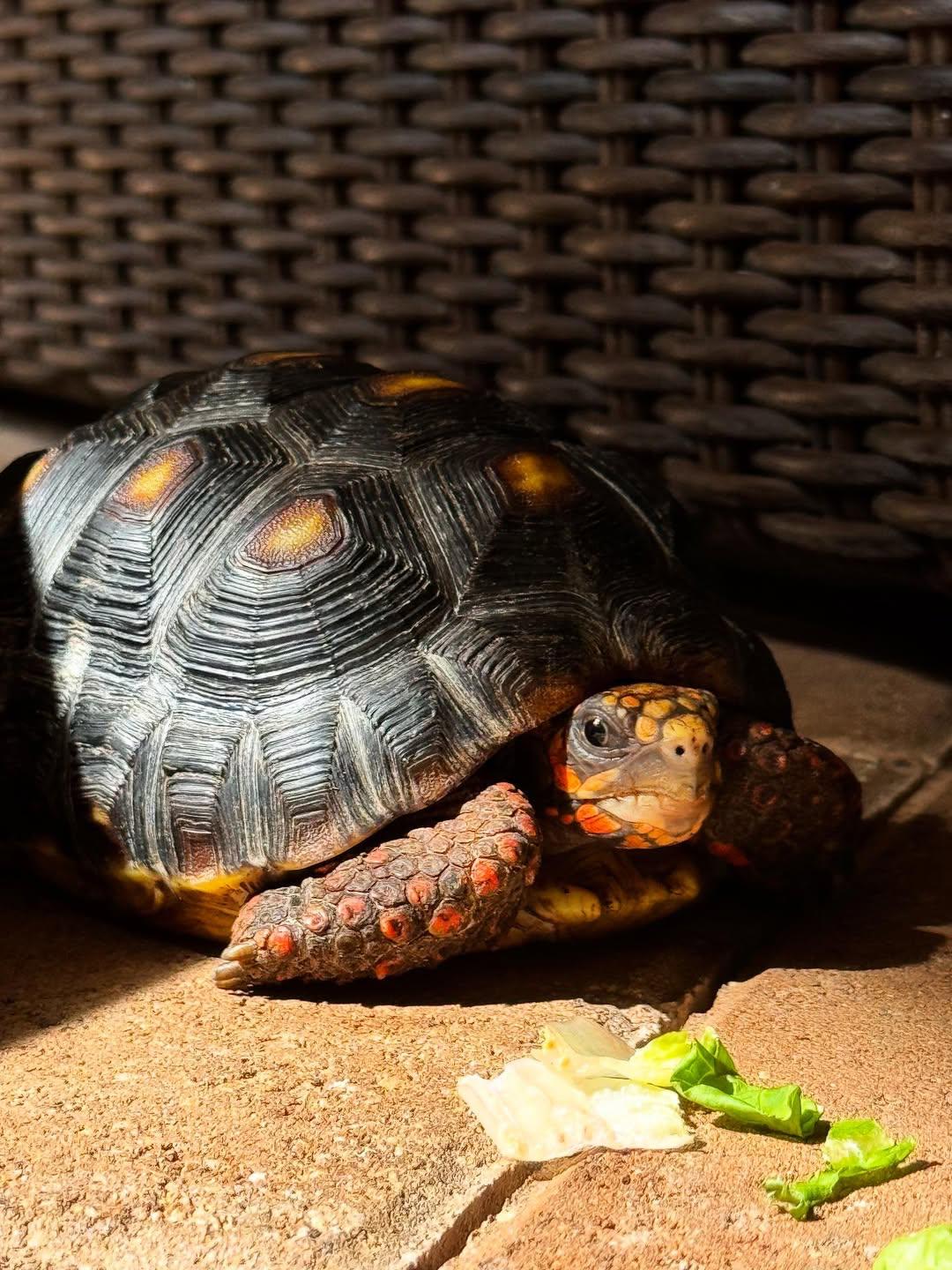
Red footed tortoise


Price range: $350.00 through $2,500.00
The red-footed tortoise (Chelonoidis carbonarius) is a popular, medium-sized pet tortoise native to Central and South American forests and savannas, known for its distinctive red, orange, or yellow scales on its limbs and head. They are hardy, have unique personalities, and can live for 50 years or more with proper care.
🐢 Red Footed Tortoise for Sale: Complete Care Guide & Trusted Breeder Information
If you’re searching for a red footed tortoise for sale, you’re considering one of the most rewarding reptile companions available today. These beautiful South American tortoises have captured the hearts of reptile enthusiasts worldwide with their vibrant red and orange leg scales, gentle temperament, and moderate size. Unlike many tortoise species that require extensive outdoor space, red-footed tortoises adapt remarkably well to indoor enclosures, making them ideal for both experienced keepers and dedicated beginners.
This comprehensive guide will walk you through everything you need to know before purchasing your red foot tortoise from identifying reputable breeders to understanding the long-term commitment of tortoise ownership. Whether you’re looking for red footed tortoises for sale locally or considering online breeders, making an informed decision ensures you’ll bring home a healthy animal that thrives for decades.
Understanding Red Footed Tortoises: Species Overview
What Makes Red Footed Tortoises Special?
Chelonoidis carbonarius, commonly known as the red-footed tortoise, originates from the forests and grasslands of Central and South America. These medium-sized tortoises typically reach 10-16 inches in length, with males growing slightly larger than females.
Key characteristics include:
- Distinctive coloring: Dark shell with vibrant red, orange, or yellow scales on their legs and head
- Docile temperament: Known for their calm, curious nature and recognition of caregivers
- Moderate size: Perfect for indoor housing without requiring an entire room
- Omnivorous diet: More varied eating habits than many tortoise species
- Lifespan: 50+ years with proper care, making them true lifetime companions
Cherry Head vs. Standard Red Foots
When browsing red-footed tortoise for sale listings, you’ll encounter two main varieties:
- Standard Red Foots: Brazilian and Paraguayan bloodlines with darker shells
- Cherry Head Red Foots: Smaller, more colorful variant from Colombia and Guyana with brighter red markings
Both make excellent pets, though cherry heads command higher prices due to their striking appearance and slightly smaller adult size.
Where to Find Healthy Red Footed Tortoise for Sale
Reputable Breeder vs. Pet Store Purchases
Finding a red footed tortoise for sale near me requires careful research. Your source significantly impacts your tortoise’s health and your long-term success.
Captive-bred vs. wild-caught:
- ✅ Always choose captive-bred tortoises from established breeders
- ❌ Avoid wild-caught imports which often carry parasites and struggle to adapt
- ✅ Captive-bred animals have stronger immune systems and acclimate better to captivity
- ✅ Supporting ethical breeders helps preserve wild populations
Top sources for purchasing:
- Specialized reptile breeders: Offer health guarantees, lineage information, and expert support
- Reptile expos: Meet breeders in person and examine animals before purchase
- Online reptile retailers: Convenient with overnight shipping, but require thorough vetting
- Rescue organizations: Occasionally have red foots needing adoption
Warning signs of unreliable sellers:
- No health guarantee or vet records
- Unable to provide information about the tortoise’s age or origin
- Prices significantly below market average ($150-$400 for babies)
- Poor husbandry conditions visible in photos or in person
- Reluctance to answer detailed care questions
Essential Care Requirements Before You Buy
Housing Setup: Creating the Perfect Habitat
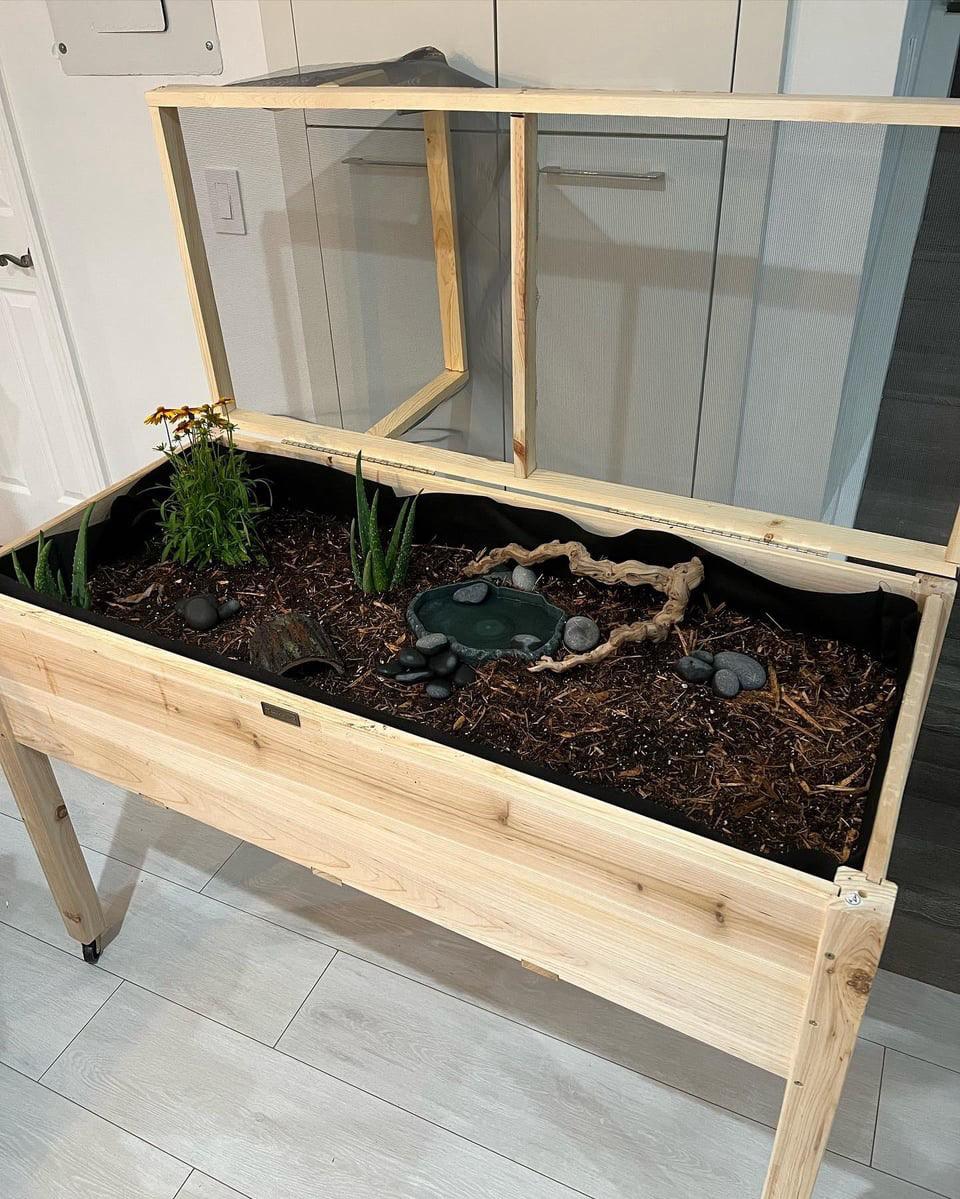
Before bringing home your red foot tortoise for sale purchase, prepare a proper enclosure:
Minimum enclosure size:
- Hatchlings: 40-gallon terrarium or 3×3 feet
- Juveniles: 4×4 feet or larger
- Adults: 6×8 feet minimum (larger is always better)
Critical habitat elements:
🌡️ Temperature & Humidity:
- Basking spot: 90-95°F
- Cool side: 75-80°F
- Nighttime: 70-75°F
- Humidity: 60-80% (higher than most tortoise species)
🌿 Substrate options:
- Cypress mulch (excellent moisture retention)
- Coconut coir mixed with topsoil
- Orchid bark for adults
- Avoid pine or cedar (toxic to reptiles)
💡 Lighting requirements:
- UVB lighting (10.0 strength) for 10-12 hours daily
- Replaced every 6-12 months even if still glowing
- Natural sunlight access when weather permits
Nutrition Guide: Feeding Your Red Footed Tortoise || Red Footed Tortoise for Sale
What Do Red Footed Tortoises Eat?
Unlike purely herbivorous species such as the indian star tortoise for sale options you might encounter, red-footed tortoises are omnivores requiring varied nutrition.
Optimal diet breakdown:
- 70% leafy greens and vegetables
- 20% fruits
- 10% protein sources
Best food choices:
Daily staples:
- Collard greens, turnip greens, mustard greens
- Dandelion leaves and flowers
- Endive and escarole
- Hibiscus leaves and flowers
Fruits (2-3 times weekly):
- Papaya, mango, strawberries
- Cactus pads (nopales)
- Figs and berries
Protein sources (1-2 times weekly):
- High-quality tortoise pellets
- Cooked egg whites
- Mazuri tortoise diet
- Occasional earthworms or snails
Supplements:
- Calcium powder (without D3) at most feedings
- Vitamin D3 supplement weekly
- Multivitamin once monthly
Health Considerations & Veterinary Care || Red Footed Tortoise for Sale
Signs of a Healthy Tortoise
When evaluating any red footed tortoise for sale, look for these indicators:
✅ Healthy signs:
- Clear, bright eyes without discharge
- Firm shell without soft spots or pyramiding
- Active and alert behavior
- Healthy appetite
- Nostrils free of bubbles or discharge
- Even, symmetrical shell growth
❌ Red flags:
- Lethargic or unresponsive
- Wheezing, gaping, or labored breathing
- Swollen eyes or limbs
- Shell rot or unusual shell texture
- Excessive weight loss or emaciation
Common Health Issues
Respiratory infections: The most common ailment in red-footed tortoises, usually caused by inadequate humidity or temperature. Symptoms include nasal discharge, wheezing, and reduced appetite. Requires immediate veterinary attention and antibiotic treatment.
Shell pyramiding: Abnormal shell growth caused by improper diet (too much protein) and low humidity. While primarily aesthetic in red foots, severe cases can impact organ function.
Parasites: More common in wild-caught specimens. Reputable breeders should provide fecal test results confirming parasite-free status.
Annual veterinary care: Budget $150-300 annually for wellness checks and fecal tests with a reptile-specialized veterinarian.
Pros & Cons of Red Footed Tortoise Ownership
Advantages 🌟
Personality & Interaction:
- Remarkably personable and interactive for a reptile
- Recognize their owners and respond to feeding time
- Tolerant of handling more than most tortoise species
- Interesting to observe with distinct personalities
Care & Maintenance:
- Don’t require outdoor space in most climates
- Easier humidity requirements than tropical species
- Varied diet prevents feeding boredom
- Hardy when proper conditions are met
Longevity & Value:
- 50+ year lifespan creates lasting bonds
- Excellent value compared to shorter-lived pets
- Can be included in estate planning
Challenges to Consider for Red Footed Tortoise for Sale⚠️
Long-term commitment:
- Outlive most pets—plan for decades of care
- Cannot be “re-homed” easily if circumstances change
- Require consistent daily attention
Initial investment:
- Quality setup costs $400-800
- Purchase price: $150-500+ depending on age and morph
- Ongoing food and electricity costs
Space requirements:
- Adult enclosures require significant floor space
- Not suitable for small apartments long-term
Legal considerations:
- Some states require permits for tortoise ownership
- CITES regulations affect interstate transport
- Verify local laws before purchasing
Expert Recommendations: What 20 Years of Tortoise Keeping Has Taught Me
After two decades working with red-footed tortoises, I’ve learned that success comes down to three critical factors:
1. Buy from quality sources, not convenient ones. The extra $100 you might save buying from a questionable seller will cost you exponentially more in veterinary bills and heartache. I’ve personally rescued dozens of tortoises from improper care situations most started with uninformed purchases.
2. Overprepare your habitat before bringing your tortoise home. Your enclosure should be running at proper temperatures and humidity for at least one week before introducing your new pet. This allows you to troubleshoot issues without a living animal at risk.
3. Join the community. Online tortoise forums and local herpetological societies provide invaluable support. When my first red foot developed a respiratory infection at 2 AM, forum members guided me through emergency care before I could reach a vet.
Real-world example: Last year, a client purchased a $99 baby red foot from a reptile expo without researching the seller. Within three weeks, the tortoise showed signs of severe metabolic bone disease from improper UVB and calcium. After $800 in veterinary care and months of intensive treatment, the tortoise recovered—but proper initial care would have prevented this entirely.
Conclusion: Your Journey to Red Footed Tortoise for Sale
Finding the perfect red footed tortoise for sale is just the beginning of an incredible multi-decade journey. These charismatic reptiles offer something truly special: a genuine connection with an animal that will grow and change alongside you for potentially half a century or more.
Before making your purchase, ensure you have:
- A properly equipped enclosure running at correct parameters
- Located a reputable breeder with health guarantees
- Established a relationship with a reptile veterinarian
- Committed to the long-term responsibility
Whether you choose a vibrant cherry head variant or a classic red-footed tortoise for sale from a Brazilian bloodline, you’re investing in a remarkable animal that rewards proper care with decades of companionship. Take your time, do your research, and choose quality over convenience—your future tortoise will thank you for it! 🐢
Frequently Asked Questions on Red Footed Tortoise for Sale
Q1: How much does a red footed tortoise cost?
A: Red footed tortoise prices range from $150-$500 depending on age, size, and color morph. Baby red-footed tortoises typically cost $150-$250, while cherry head variants and well-started juveniles command $300-$500. Avoid suspiciously cheap offerings, as they often indicate wild-caught animals or health issues. Budget an additional $400-$800 for proper habitat setup and initial supplies.
Q2: How long do red footed tortoises live?
A: Red footed tortoises live 50+ years with proper care, with many specimens reaching 60-70 years old. This extended lifespan requires serious long-term planning and commitment. They often outlive dogs, cats, and even their original owners, making estate planning for their continued care an important consideration.
Q3: What size enclosure does a red footed tortoise need?
A: Baby red footed tortoises need a minimum 40-gallon terrarium or 3×3 feet floor space. Adults require at least 6×8 feet (48 square feet), though larger is always better. Unlike aquatic turtles, floor space matters more than height. Outdoor access during suitable weather is beneficial but not mandatory with proper indoor housing.
Q4: Can red footed tortoises live with other tortoises?
A: Red footed tortoises can cohabitate successfully if given adequate space (minimum 8×8 feet for pairs). They should not be housed with different tortoise species like sulcatas or indian star tortoises due to different care requirements and potential disease transmission. Males may show aggression during breeding season, requiring separation. Never house tortoises of vastly different sizes together.
Q5: Do red footed tortoises need to hibernate?
A: No, red footed tortoises do not hibernate or brumate. As tropical species, they remain active year-round and require consistent temperatures. Attempting to hibernate them can cause serious health issues or death. Maintain temperatures between 75-90°F throughout the year, with slight nighttime drops acceptable. This differs from temperate species like Russian tortoises that require winter cooling.
| Size | Baby, Juvenile, Young Adult, Adult |
|---|---|
| sex | male, female |
Be the first to review “Red footed tortoise”
Related products
Tortoise
Tortoise

Tortoise
Tortoise
Tortoise

Tortoise

Tortoise
Tortoise
Reviews
There are no reviews yet.