

Radiated tortoise

Price range: $300.00 through $1,200.00
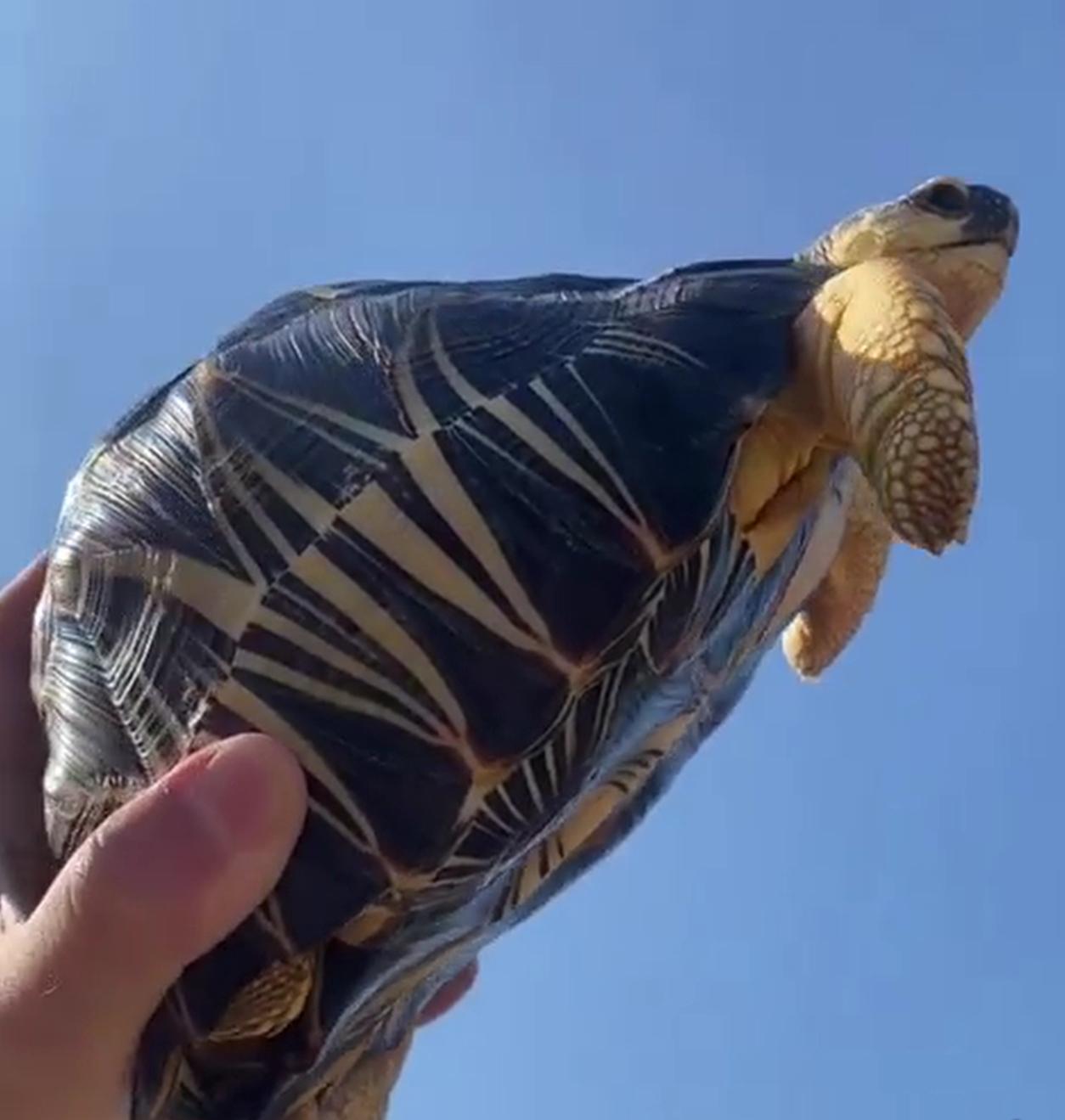
The radiated tortoise (Astrochelys radiata) is a stunning reptile native exclusively to the dry, spiny forests and scrublands of southern and southwestern Madagascar. It is famous for the intricate, sunburst-like pattern of bright yellow lines radiating across its high-domed, dark shell, which gives the species its name.
🐢 Radiated Tortoise for Sale: Complete Buyer’s Guide & Care Information
If you’re searching for a radiated tortoise for sale, you’re considering one of the most visually stunning and critically endangered reptiles in the world. With their distinctive star-burst shell patterns and gentle temperament, radiated tortoises (Astrochelys radiata) have captivated reptile enthusiasts for generations. However, purchasing one requires careful consideration of legalities, proper care requirements, and ethical sourcing. This comprehensive guide walks you through everything you need to know before bringing home this magnificent species.
Understanding Radiated Tortoises: Species Overview
Native to southern Madagascar, radiated tortoises are medium to large terrestrial reptiles known for their spectacular shell patterns. Each scute displays radiating yellow lines against a dark background, creating a sunburst effect that intensifies with age. Adult specimens can reach 15-16 inches in shell length and weigh up to 35 pounds, with females typically larger than males.
These tortoises are listed as Critically Endangered on the IUCN Red List due to habitat loss and illegal wildlife trade. This conservation status makes legal ownership particularly important and strictly regulated.
Key Characteristics:
- Lifespan: 50-100+ years with proper care
- Adult size: 15-16 inches (carapace length)
- Temperament: Docile, curious, and social
- Activity level: Diurnal (active during daylight hours)
- Conservation status: Critically Endangered (CITES Appendix I)
Legal Considerations: What You Must Know Before Purchasing 🔍
Before searching for radiated tortoise for sale California or any other state, understanding federal and state regulations is absolutely critical. Radiated tortoises are protected under the Convention on International Trade in Endangered Species (CITES) Appendix I, meaning international commercial trade is prohibited.
United States Federal Requirements:
The U.S. Fish and Wildlife Service requires CITES documentation for legal ownership. Only captive-bred specimens with proper documentation can be legally sold within the United States. You’ll need:
- CITES permits from the breeder or seller
- Captive-bred certification proving the tortoise wasn’t wild-caught
- Transfer documentation establishing legal chain of custody
State-Specific Regulations:
When looking for radiated tortoise for sale Florida or radiated tortoise for sale Texas, research state-specific exotic pet laws. Some states require additional permits, while others may prohibit ownership entirely. California, for instance, has particularly stringent exotic pet regulations that may affect your ability to legally keep a radiated tortoise.
Always verify current regulations with your state’s wildlife agency before purchasing.
Where to Find Radiated Tortoises for Sale
Finding a radiated tortoise for sale near me requires diligence and patience. Due to their endangered status, these tortoises are significantly rarer than common pet tortoise species.
Reputable Sources:
Licensed Breeders: The most ethical option. Reputable breeders provide complete documentation, health guarantees, and ongoing support. They typically have waiting lists due to limited breeding success.
Specialized Exotic Reptile Stores: Some established stores work with licensed breeders and maintain proper documentation. Verify their credentials thoroughly.
Reptile Expos: Occasionally, licensed breeders attend major reptile shows. This allows face-to-face inspection and immediate documentation verification.
Red Flags to Avoid:
- ❌ Sellers unable to provide CITES documentation
- ❌ Suspiciously low prices (genuine specimens cost $1,500-$5,000+)
- ❌ Wild-caught claims or imported specimens
- ❌ Sellers unwilling to provide health history or veterinary records
- ❌ No breeder references or testimonials
High Yellow Radiated Tortoise for Sale: Premium Morphs
The high yellow radiated tortoise for sale represents a particularly sought-after color morph. These specimens display enhanced yellow coloration in their shell patterns, creating even more vibrant contrast against the dark background. While all radiated tortoises develop beautiful patterns, high yellow individuals are prized by collectors.
High yellow morphs typically command premium prices ($3,000-$6,000+) due to their aesthetic appeal. However, care requirements remain identical to standard radiated tortoises the difference is purely cosmetic.
Essential Care Requirements 🏡
Proper husbandry is non-negotiable for these long-lived reptiles. Radiated tortoises require specific environmental conditions to thrive.
Housing Setup:
Outdoor Enclosures (Preferred in suitable climates):
- Minimum 8×8 feet for adults
- Secure fencing buried 12 inches deep
- Shelter from extreme weather and predators
- Natural substrate (sandy soil, grass)
Indoor Enclosures:
- Minimum 4×8 feet for adults (larger is better)
- Closed-chamber design for humidity control
- Proper heating and UVB lighting
- Substrate: cypress mulch, coconut coir, or organic topsoil mix
Temperature & Humidity:
- Basking spot: 90-95°F
- Cool end: 75-80°F
- Nighttime: 70-75°F
- Humidity: 60-80% (critical for shell health)
Dietary Needs:
Radiated tortoises are primarily herbivorous grazers:
- Daily: Mixed greens (spring mix, dandelion, endive, escarole)
- Regular: Grasses and hay
- Occasional: Cactus pads, hibiscus flowers, squash
- Supplements: Calcium powder 3-4x weekly, vitamin D3 weekly
- Avoid: High-protein foods, fruits (limited treats only)
Health Considerations & Veterinary Care
Before finalizing any radiated tortoise for sale purchase, ensure the specimen is healthy and has received appropriate veterinary care.
Signs of a Healthy Radiated Tortoise:
✅ Clear, alert eyes without discharge
✅ Smooth, symmetrical shell growth
✅ Active and responsive behavior
✅ Healthy appetite
✅ Clean nose and mouth
✅ Appropriate weight for size
Common Health Issues:
Respiratory Infections: Often caused by inadequate humidity or temperature. Symptoms include nasal discharge, wheezing, and lethargy.
Shell Pyramiding: Results from improper diet, low humidity, or rapid growth. Prevention is key, as this condition is irreversible.
Metabolic Bone Disease: Caused by calcium/vitamin D3 deficiency or improper UVB exposure.
Veterinary Requirements:
Establish care with a reptile-specialized veterinarian before bringing your tortoise home. Annual check-ups should include fecal parasite screening and physical examination. Initial quarantine (30-60 days) is essential if you have other tortoises.
Cost Analysis: Investment Beyond Purchase Price 💰
The initial purchase price for a radiated tortoise represents only the beginning of your financial commitment.
One-Time Costs:
- Tortoise purchase: $1,500-$5,000+
- Enclosure setup: $500-$2,000
- UVB lighting system: $150-$300
- Heating equipment: $100-$200
- Initial veterinary exam: $75-$150
Ongoing Annual Costs:
- Food and supplements: $300-$600
- UVB bulb replacements: $60-$120
- Veterinary care: $150-$300
- Substrate and maintenance: $100-$200
- Electricity (heating/lighting): $200-$400
Total first-year investment: $3,135-$9,270
Pros & Cons of Radiated Tortoise Ownership
Advantages:
✨ Stunning appearance with unique shell patterns
✨ Docile temperament and enjoyable personality
✨ Long lifespan creates multi-generational pet
✨ Low daily maintenance once setup is complete
✨ Quiet companions suitable for various living situations
Challenges:
⚠️ Significant upfront investment in animal and equipment
⚠️ Strict legal requirements and documentation needs
⚠️ Specialized veterinary care not available everywhere
⚠️ Humidity requirements can be challenging in dry climates
⚠️ Long-term commitment spans decades
⚠️ Limited availability from ethical sources
Expert Tips for New Radiated Tortoise Owners
After working with these magnificent creatures for over 15 years, I’ve learned that success comes down to preparation and consistency:
- Start with the right enclosure size – Don’t buy small and plan to upgrade. Start with adult-appropriate housing to avoid stress from multiple moves.
- Humidity is critical – Invest in quality hygrometers and misting systems. Inadequate humidity causes irreversible shell problems.
- Quarantine new arrivals – Even with health certificates, maintain 60-day quarantine if you have other tortoises.
- Document everything – Keep detailed records of feeding, growth, shed schedules, and any health concerns. This information proves invaluable during veterinary visits.
- Join tortoise communities – Connect with experienced keepers through forums and social media groups for ongoing support and advice.
Conclusion
Finding a radiated tortoise for sale from a reputable, legal source is just the first step in a rewarding decades-long journey. These critically endangered beauties require committed care, proper documentation, and significant resources—but they reward dedicated keepers with their gentle personalities and breathtaking appearance.
Whether you’re searching for a high yellow radiated tortoise for sale or a standard morph, prioritize legal compliance, ethical sourcing, and proper care preparation above all else. By purchasing responsibly and providing excellent husbandry, you’re not just gaining an extraordinary companion—you’re supporting conservation efforts for one of Madagascar’s most precious endemic species. 🌟
FAQ Section (Schema-Ready)
Q: Is it legal to own a radiated tortoise in the United States?
A: Yes, but only captive-bred specimens with proper CITES documentation. You must verify state-specific regulations as some states require additional permits or prohibit ownership entirely.
Q: How much does a radiated tortoise cost?
A: Legitimate captive-bred radiated tortoises typically cost between $1,500-$5,000, with high yellow morphs commanding premium prices up to $6,000 or more. Prices significantly below this range often indicate illegal or unhealthy specimens.
Q: What is the lifespan of a radiated tortoise?
A: With proper care, radiated tortoises live 50-100+ years in captivity. They represent a multi-generational commitment requiring long-term planning for their care.
Q: What do radiated tortoises eat?
A: Radiated tortoises are herbivores requiring a diet of mixed leafy greens, grasses, hay, and occasional vegetables. They need calcium supplementation 3-4 times weekly and limited fruit as treats only.
Q: Can radiated tortoises live outdoors?
A: In suitable climates (warm, humid regions), outdoor housing is ideal. However, they require secure enclosures, weather protection, and predator prevention. Indoor housing is necessary in areas with cold winters or low humidity.
| Quantity | Baby, Juvenile, Young Adult, Adult |
|---|---|
| sex | male, female |
Be the first to review “Radiated tortoise”
Related products
Tortoise
Tortoise
Tortoise

Tortoise

Tortoise
Tortoise
Tortoise
Tortoise
Reviews
There are no reviews yet.