
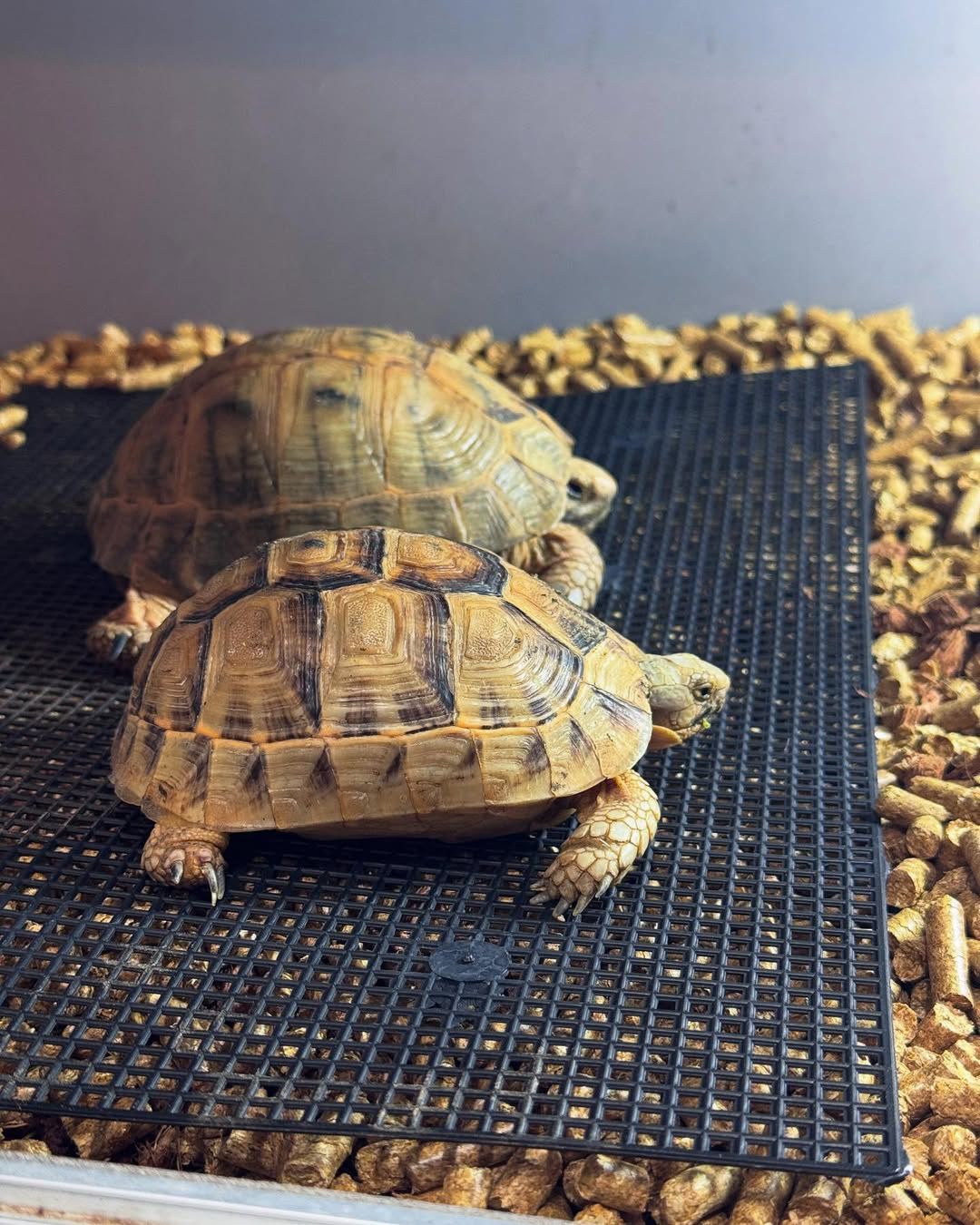
Golden Greek tortoise


Price range: $200.00 through $750.00
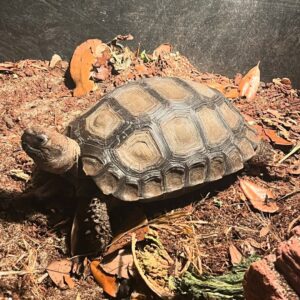
The term “Golden Greek tortoise” is a common name in the pet trade for certain light-colored variations of the Greek tortoise (Testudo graeca), particularly those originating from arid regions of the Middle East, such as Jordan, Syria, and Lebanon. It is not a distinct species or a formally recognized subspecies.
Greek Tortoise for Sale: Complete Care Guide & Trusted Buying Options 🐢
Looking for a Greek tortoise for sale? You’ve come to the right place. These charming, docile reptiles have become increasingly popular among tortoise enthusiasts, and for good reason. Greek tortoises are hardy, manageable in size, and possess incredible personalities that make them exceptional companions for both beginners and experienced keepers.
In this comprehensive guide, I’ll walk you through everything you need to know about purchasing and caring for these remarkable creatures. Whether you’re searching for a baby Greek tortoise for sale or considering an adult specimen, understanding what makes a healthy tortoise and where to find reputable sellers is crucial to your success as a tortoise keeper.
Understanding Greek Tortoise Species and Varieties
What Makes Greek Tortoises Unique?
Greek tortoises (Testudo graeca) are medium-sized Mediterranean tortoises native to North Africa, Southern Europe, and Western Asia. Despite their common name, they’re found far beyond Greece’s borders. These tortoises typically reach 5-8 inches in length, with females generally being larger than males.
Key characteristics include:
- Lifespan of 50-125 years with proper care
- Adult weight ranging from 2-5 pounds
- Distinctive yellow and brown shell patterns
- Highly adaptable to various climates
- Diurnal (active during the day)
Popular Greek Tortoise Subspecies
When browsing Greek tortoises for sale, you’ll encounter several subspecies:
Golden Greek Tortoise (Testudo graeca terrestris): The most sought-after variety, featuring vibrant golden-yellow coloration with darker markings. If you’re specifically looking for a golden Greek tortoise for sale, expect to pay premium prices ranging from $250-$500 for captive-bred specimens.
Ibera Greek Tortoise (Testudo graeca ibera): The most commonly available subspecies in the pet trade. An Ibera Greek tortoise for sale typically costs between $150-$300, making them an excellent entry point for new keepers.
North African Greek Tortoise: Smaller and more heat-tolerant, these specimens are less common but equally captivating.
Where to Find Healthy Greek Tortoise for Sale Near Me
Reputable Sources for Purchase
Finding a Greek tortoise for sale near me requires careful research. Here are your best options:
1. Specialized Reptile Breeders
Working directly with experienced breeders offers numerous advantages:
- Health guarantees and documentation
- Knowledge of the tortoise’s complete history
- Ongoing support and care advice
- Captive-bred specimens (more ethical and healthier)
2. Reptile Expos and Shows
These events allow you to:
- Meet multiple breeders in one location
- Compare prices and quality
- Inspect tortoises in person before purchasing
- Ask detailed questions about care and lineage
3. Online Reptile Retailers
Reputable online sellers provide:
- Overnight shipping with heat or cold packs
- Live arrival guarantees
- Detailed photos and videos
- Customer reviews and ratings
Important: Avoid pet stores unless they specialize in reptiles and can provide documentation proving captive breeding.
Selecting Your Perfect Baby Greek Tortoise for Sale
Health Indicators to Examine
When you’ve found a baby Greek tortoise for sale, use this expert checklist:
✅ Eyes: Clear, bright, and alert with no discharge ✅ Nose: Clean and free from bubbles or mucus ✅ Shell: Smooth with no pyramiding, soft spots, or damage ✅ Weight: Feel substantial for their size (not lightweight) ✅ Activity Level: Active and responsive to movement ✅ Limbs: Strong with no swelling or deformities
Red Flags to Avoid
🚩 Lethargic or unresponsive behavior 🚩 Closed or sunken eyes 🚩 Audible breathing or wheezing 🚩 Shell abnormalities or excessive wear 🚩 Reluctance to sell from the breeder 🚩 No health documentation available
Greek Tortoise Pricing Guide
What You Should Expect to Pay
Current market prices for Greek tortoise for sale vary based on several factors:
Baby Greek Tortoises: $150-$400
- Hatchlings (0-6 months): $150-$250
- Well-started babies (6-12 months): $200-$350
Adult Greek Tortoises: $250-$600
- Young adults (3-5 years): $250-$400
- Breeding adults: $400-$600
Factors Affecting Price:
- Subspecies (Golden Greeks command premium prices)
- Age and size
- Color and pattern quality
- Breeder reputation
- Gender (females often cost more)
- Geographic location
Hidden Costs to Consider
Beyond the initial purchase price, budget for:
- Enclosure setup: $200-$500
- UVB lighting: $50-$150
- Heating equipment: $75-$200
- Substrate and decorations: $50-$100
- Annual veterinary care: $100-$300
- Food and supplements: $30-$50 monthly
Essential Care Requirements for Greek Tortoises
Housing and Environment
Indoor Enclosure: A minimum 4×8 feet for adults is recommended. Babies can start in smaller enclosures (3×3 feet) but will need upgrades as they grow.
Temperature Requirements:
- Basking spot: 90-95°F
- Cool side: 70-75°F
- Nighttime: 65-70°F
Lighting:
- 10-12 hours of UVB lighting daily (10.0 UVB bulb)
- Replace UVB bulbs every 6-12 months
Substrate Options:
- Cypress mulch (my top recommendation)
- Coconut coir
- Topsoil/sand mixture (70/30 ratio)
Nutrition and Diet
Greek tortoises are herbivores requiring a varied diet:
Daily Staples (80% of diet):
- Dandelion greens
- Collard greens
- Turnip greens
- Endive
- Escarole
Occasional Foods (20% of diet):
- Cactus pads (opuntia)
- Hibiscus flowers
- Squash
- Bell peppers
Never Feed:
- Iceberg lettuce
- Spinach (high oxalates)
- Fruits (only as rare treats)
- Animal protein
Supplementation:
- Calcium powder 5x weekly
- Multivitamin 1x weekly
Pros and Cons of Greek Tortoise Ownership
Advantages ✨
Perfect Size: Manageable for most living situations without requiring massive outdoor spaces
Hardy Nature: Once established, they’re resilient and relatively easy to care for
Personality: Individual tortoises develop distinct personalities and recognize their keepers
Longevity: A true lifetime companion that may outlive you
Low Maintenance: Unlike dogs or cats, they don’t require daily walks or constant attention
Challenges to Consider ⚠️
Long-term Commitment: 50+ years is a serious responsibility
Initial Costs: Setup expenses can exceed $500-$1,000
Specific Requirements: Temperature and humidity must be precisely maintained
Veterinary Care: Finding an experienced reptile vet can be challenging
Slow Growth: It takes patience to watch them mature
Expert Tips for New Greek Tortoise Owners
After years of working with Mediterranean tortoises, here’s my insider advice:
1. Start with Juveniles, Not Hatchlings
While a baby Greek tortoise for sale might be tempting, 6-12 month old specimens are more robust and forgiving of minor husbandry mistakes.
2. Invest in Quality from Day One
Cheap heating equipment fails. Quality UVB bulbs make the difference between healthy growth and metabolic bone disease. Don’t cut corners on essentials.
3. Quarantine is Non-Negotiable
If you already have reptiles, quarantine new arrivals for 60-90 days. This prevents disease transmission and allows stress-free observation.
4. Outdoor Time is Gold
Whenever weather permits (75°F+), allow supervised outdoor time. Natural sunlight is irreplaceable for vitamin D3 synthesis.
5. Document Everything
Keep records of weight, feeding, shedding, and behavior. Patterns emerge that help you catch problems early.
Legal Considerations and Documentation
What You Need to Know
Before purchasing any Greek tortoise for sale, verify:
Federal Requirements:
- Greek tortoises are CITES Appendix II listed
- Interstate transport may require permits
- Only captive-bred specimens are legal in the US
State Regulations:
- Some states prohibit or restrict Greek tortoises
- Check your state’s fish and wildlife department
- Obtain necessary permits before purchase
Breeder Documentation:
- Request proof of captive breeding
- Get health certificates
- Obtain feeding and care records
Real-World Success Story 🌟
Meet Sarah from Arizona, who purchased her Ibera Greek tortoise “Zeus” three years ago as a hatchling. “I was nervous about keeping a reptile, but my breeder provided incredible support. Zeus now recognizes me, actively begs for food, and even comes when called. He’s transformed our backyard into his kingdom. The key was starting with a healthy animal from a knowledgeable source and following proper care protocols. Best decision I ever made!”
Conclusion
Finding the right Greek tortoise for sale is just the beginning of an incredible journey. These ancient reptiles offer companionship, education, and joy that spans decades. By choosing reputable breeders, providing proper care, and committing to their long-term needs, you’re setting yourself up for success.
Whether you’re seeking a golden Greek tortoise for sale or a hardy Ibera Greek tortoise for sale, take your time, do your research, and never compromise on quality. Your future shelled friend deserves the best start possible, and with the knowledge you’ve gained here, you’re well-equipped to provide exactly that.
Ready to welcome a Greek tortoise into your life? Start by connecting with certified breeders, preparing your enclosure, and embracing the rewarding world of tortoise keeping. Your 50-year adventure awaits! 🐢
FAQ Schema Section
Q1: How much does a Greek tortoise cost?
A: Greek tortoises typically cost between $150-$500 depending on age, subspecies, and breeder. Baby Greek tortoises range from $150-$250, while golden Greek tortoises and adults can cost $300-$600. Factor in setup costs of $500-$1,000 for proper enclosures and equipment.
Q2: Are Greek tortoises good pets for beginners?
A: Yes, Greek tortoises are excellent for beginners due to their hardy nature, manageable size (5-8 inches), and relatively simple care requirements. They’re more forgiving than tropical species and adapt well to various climates when housed properly. However, their 50+ year lifespan requires serious commitment.
Q3: What’s the difference between Ibera and Golden Greek tortoises?
A: Ibera Greek tortoises (Testudo graeca ibera) are the most common subspecies with darker coloration and cost $150-$300. Golden Greek tortoises (Testudo graeca terrestris) feature vibrant golden-yellow shells, are more sought-after, and typically cost $250-$500. Both have similar care requirements and temperaments.
Q4: Where can I find Greek tortoises for sale near me?
A: Find Greek tortoises through specialized reptile breeders (best option), reptile expos, and reputable online retailers with live arrival guarantees. Avoid general pet stores. Search for local herpetological societies, check tortoise-specific forums, and verify breeders provide health documentation and captive-bred specimens.
Q5: What do Greek tortoises eat?
A: Greek tortoises are herbivores requiring a diet of 80% leafy greens (dandelion, collard, turnip greens, endive) and 20% vegetables (cactus pads, squash, bell peppers). Supplement with calcium powder 5x weekly and multivitamins 1x weekly. Avoid fruits, animal protein, and high-oxalate foods like spinach.
| Size | Baby, Juvenile, Young Adult, Adult |
|---|---|
| sex | male, female |
Be the first to review “Golden Greek tortoise”
Related products
Tortoise
Tortoise
Tortoise
Tortoise

Tortoise

Tortoise

Tortoise
Reviews
There are no reviews yet.