 Skip to content
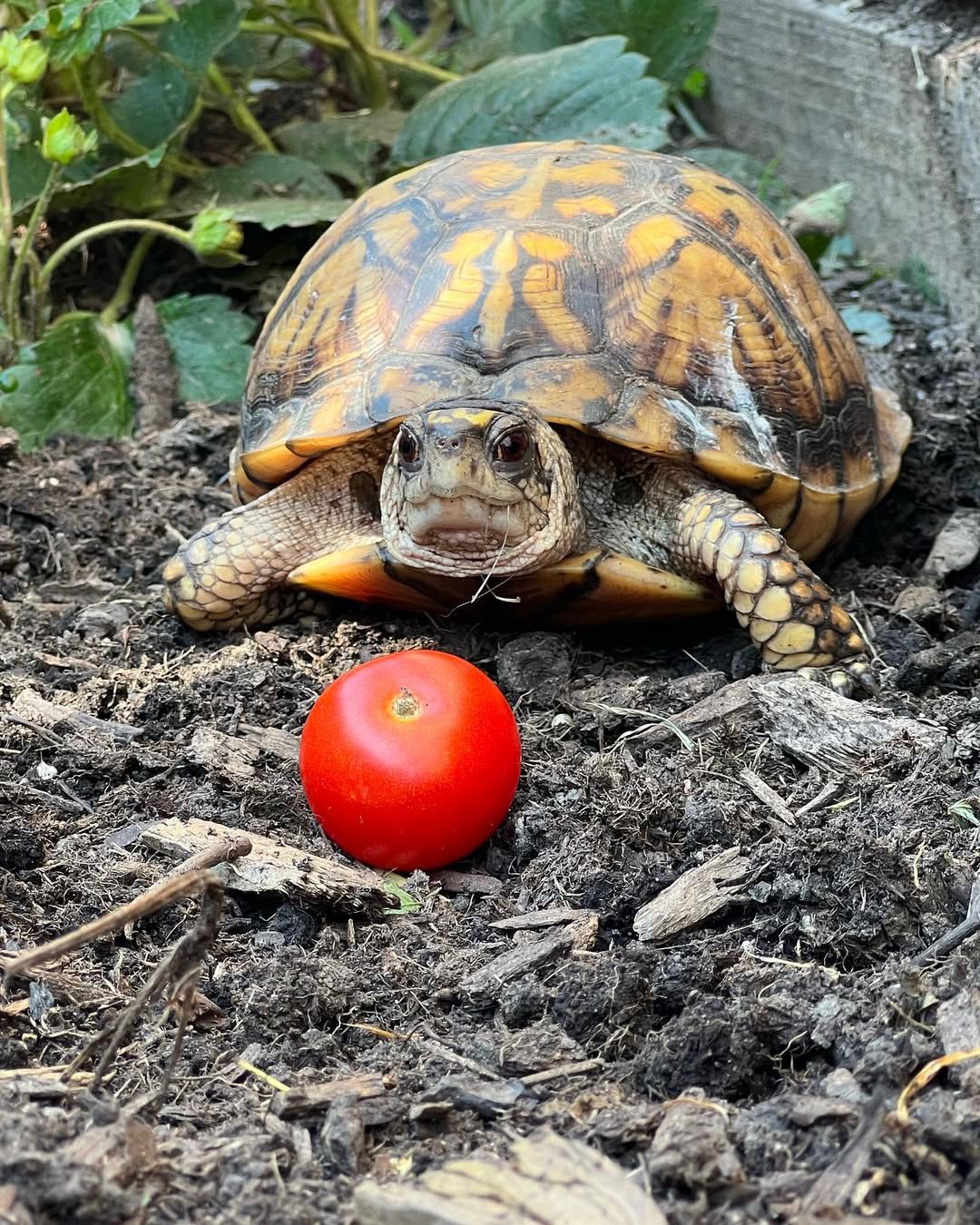
Elongated tortoise
Price range: $200.00 through $750.00
The elongated tortoise (Indotestudo elongata) is a medium-sized, tropical tortoise native to Southeast Asia and parts of the Indian subcontinent, known for its yellowish-brown shell with black markings and its omnivorous diet. It is currently listed as Critically Endangered by the IUCN due to over-collection for food and the pet trade, as well as significant habitat loss
Elongated Tortoise for Sale: Complete Care Guide & Where to Buy
Finding a healthy elongated tortoise for sale requires careful research and understanding of this beautiful Southeast Asian species. The elongated tortoise (Indotestudo elongata), also known as the yellow tortoise, has become increasingly popular among reptile enthusiasts due to its manageable size, striking appearance, and engaging personality. Whether you’re searching for baby elongated tortoises for sale or adult specimens, this comprehensive guide will help you make an informed decision and provide the exceptional care these remarkable creatures deserve. 🐢
Understanding the Elongated Tortoise Species
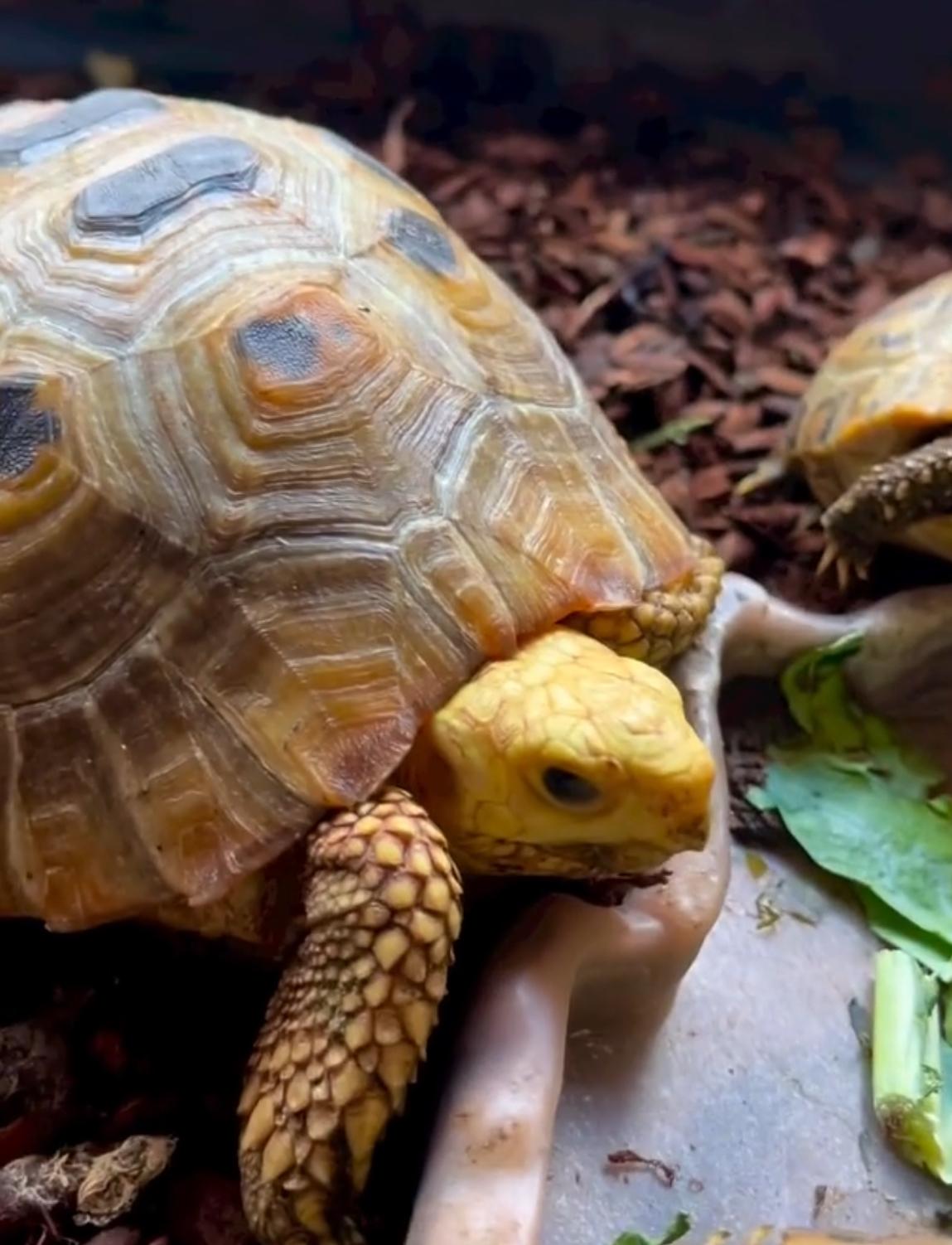
The elongated tortoise is a medium-sized tortoise native to Southeast Asia, including regions of India, Nepal, Thailand, Vietnam, and Myanmar. Adults typically reach 10-12 inches in length, making them suitable for both indoor and outdoor enclosures in appropriate climates.
Physical Characteristics
- Shell coloration: Pale yellow to golden brown with distinctive dark markings
- Head and limbs: Yellow to olive coloration with prominent scales
- Adult weight: 3-7 pounds on average
- Lifespan: 30-50 years with proper care
- Sexual dimorphism: Males have concave plastrons and longer, thicker tails
Natural Habitat Requirements
Understanding their natural environment is crucial when providing proper captive care:
- Tropical and subtropical forests with high humidity (70-80%)
- Temperatures ranging from 75-85°F with basking spots at 90-95°F
- Access to both sun and shade throughout the day
- Forest floor substrate with leaf litter and hiding opportunities
Where to Find Elongated Tortoises for Sale
Reputable Breeders vs. Pet Stores
You can find Elongated Tortoise for Sale among our listings of rare tortoises here on our website at rare and lovely pets. When searching for adult elongated tortoise for sale or younger specimens, choosing the right source is critical:
Specialized Reptile Breeders:
- Provide detailed lineage and health history
- Offer captive-bred specimens (more sustainable and healthier)
- Include care guidance and ongoing support
- Typically cost $250-$600 depending on age and quality
Reptile Expos and Shows:
- Allow in-person inspection before purchase
- Connect you directly with experienced breeders
- Opportunity to ask detailed care questions
- Usually offer competitive pricing
Online Reptile Retailers:
- Wider selection of available specimens
- Detailed photos and videos of individual animals
- Shipping with live arrival guarantees
- Reviews and testimonials from previous buyers
Red Flags to Avoid
🚩 Warning Signs:
- Unwillingness to provide health records or photos
- Prices significantly below market value ($150 or less)
- No quarantine period for new arrivals
- Wild-caught specimens without proper documentation
- Sellers who cannot answer basic care questions
Baby vs. Adult Elongated Tortoises for Sale
Benefits of Purchasing Baby Elongated Tortoises
Baby elongated tortoise for sale listings are common and offer several advantages:
- Lower initial cost: Typically $200-$350
- Easier acclimation: Young tortoises adapt more readily to new environments
- Bonding opportunity: Raising from hatchling creates stronger keeper-tortoise relationship
- Dietary flexibility: Easier to establish healthy feeding habits early
Considerations:
- Require more frequent feeding (daily)
- Higher mortality risk in first year without proper care
- Smaller size makes them more vulnerable to household hazards
- Growth monitoring essential to ensure proper development
Advantages of Adult Elongated Tortoises for Sale
Adult elongated tortoises for sale present different benefits:
- Established health: Proven track record of survival and resilience
- Known sex: Easier breeding planning if desired
- Less frequent feeding: Can be fed every 2-3 days
- Immediate full size: No waiting for maturity
- Hardier constitution: Better able to handle minor care variations
Considerations:
- Higher purchase price: $400-$600+
- May have established habits difficult to change
- Potential unknown health history if not from original breeder
- Longer adjustment period to new environment
Essential Care Requirements for Your Elongated Tortoise
Housing Setup
Indoor Enclosures:
- Minimum 6′ x 3′ for adults (larger is always better)
- Substrate: Cypress mulch, coconut coir, or organic topsoil mix (4-6 inches deep)
- Multiple hide boxes in different temperature zones
- Large water dish for soaking (tortoises can’t swim but need water)
- UVB lighting: 10-12 hours daily with ReptiSun 10.0 or equivalent
Outdoor Enclosures (seasonal or year-round in warm climates):
- Secure fencing buried 12 inches to prevent escaping
- Natural shade areas and planted vegetation
- Shallow water feature for drinking and soaking
- Protected sleeping area for nighttime safety
- Predator-proof construction essential
Temperature and Humidity Management for Elongated Tortoise for Sale
Maintaining proper environmental parameters is non-negotiable:
Temperature Zones:
- Cool end: 75-78°F
- Warm end: 82-85°F
- Basking spot: 90-95°F
- Nighttime drop: 70-75°F acceptable
Humidity Control:
- Target range: 70-80%
- Daily misting 2-3 times
- Moisture-retaining substrate
- Hygrometer for accurate monitoring
- Proper ventilation to prevent mold growth
Nutritional Requirements
Elongated tortoises are primarily herbivorous but omnivorous tendencies:
Primary Diet (80-85%):
- Dark leafy greens: Dandelion, collard greens, turnip greens, endive
- Vegetables: Squash, bell peppers, carrots (grated)
- Edible flowers: Hibiscus, nasturtium, rose petals
- Commercial tortoise pellets (quality brand, 10-15% of diet)
Occasional Protein (5-10%):
- Earthworms (once weekly)
- Snails and slugs
- High-quality canned tortoise food with protein
Supplementation:
- Calcium powder with D3: 3x weekly for juveniles, 2x weekly for adults
- Multivitamin: Once weekly
- Cuttlebone available constantly for self-supplementation
Health Monitoring and Veterinary Care
Signs of a Healthy Tortoise
When evaluating elongated tortoises for sale, look for:
✅ Clear, bright eyes without discharge
✅ Active and alert behavior
✅ Smooth, firm shell without soft spots or pyramiding
✅ Healthy weight (shell feels solid, not hollow)
✅ Clean nostrils and mouth
✅ Regular eating and defecation
✅ Strong, coordinated movement
Common Health Issues relating to Elongated Tortoise for Sale
Respiratory Infections:
- Symptoms: Nasal discharge, open-mouth breathing, lethargy
- Prevention: Proper humidity and temperature maintenance
- Treatment: Veterinary antibiotics essential
Shell Rot:
- Symptoms: Soft spots, discoloration, foul odor
- Prevention: Dry basking areas, clean substrate changes
- Treatment: Topical medications and possible systemic antibiotics
Parasites:
- Symptoms: Weight loss, abnormal feces, lethargy
- Prevention: Purchase from reputable breeders, quarantine new additions
- Treatment: Fecal examination and prescribed antiparasitics
Metabolic Bone Disease:
- Symptoms: Soft shell, deformed growth, lethargy
- Prevention: Proper UVB exposure and calcium supplementation
- Treatment: Veterinary intervention with aggressive supplementation
Legal Considerations and CITES Regulations for Elongated Tortoise for Sale
Before purchasing baby elongated tortoises for sale or adults, understand the legal framework:
- Elongated tortoises are listed under CITES Appendix II
- Interstate transport requires proper documentation
- Some states have additional restrictions or permit requirements
- Always verify the tortoise is captive-bred, not wild-caught
- Reputable sellers provide all necessary paperwork
Pro Tip: Check your state’s wildlife regulations before purchase some states like California have strict requirements for exotic tortoise ownership.
Cost of Ownership Beyond Purchase Price
Initial Setup Costs
- Enclosure: $150-$400 (depending on size and materials)
- Heating equipment: $50-$100 (ceramic heaters, undertank heaters)
- UVB lighting: $40-$80 (fixture and bulbs)
- Substrate and décor: $50-$100
- Water and food dishes: $20-$40
- Thermometers/hygrometers: $20-$30
Total Initial Investment: $530-$1,350 (plus tortoise purchase price)
Ongoing Annual Costs
- Food: $200-$400
- Substrate replacements: $100-$150
- UVB bulb replacements: $60-$100 (every 6-12 months)
- Supplements: $50-$75
- Veterinary checkups: $100-$200
- Electricity: $100-$200
Annual Maintenance: $610-$1,125
Expert Tips for First-Time Elongated Tortoise Owners || Elongated Tortoise for Sale
Having worked with elongated tortoises for over 15 years, I’ve learned these critical lessons:
- Quarantine is Non-Negotiable: Even from trusted breeders, quarantine new tortoises for 60-90 days in a separate room. This protects existing reptiles and allows health monitoring.
- Bigger is Always Better: Whatever enclosure size you think is adequate, go larger. Elongated tortoises are surprisingly active and benefit from space to roam.
- Humidity Matters More Than You Think: I’ve seen more health issues from chronic low humidity than any other single factor. Invest in a reliable hygrometer and check it daily.
- Establish a Feeding Routine: Tortoises thrive on consistency. Feed at the same time daily for juveniles, every 2-3 days for adults.
- Document Everything: Keep a care log tracking feeding, defecation, soaking, and behavior. This becomes invaluable for spotting health trends and communicating with veterinarians.
Frequently Asked Questions on Elongated Tortoise for Sale
Q: How much does an elongated tortoise cost?
A: Prices for elongated tortoises typically range from $200-$350 for babies and $400-$600 for adults, depending on age, quality, and breeder reputation. Captive-bred specimens from reputable sources command higher prices but offer better health outcomes.
Q: Are elongated tortoises good pets for beginners?
A: Elongated tortoises require intermediate care due to their specific humidity requirements and omnivorous diet. While manageable for dedicated beginners willing to research and invest in proper setup, species like Russian or Greek tortoises may be more forgiving first-time choices.
Q: How long do elongated tortoises live in captivity?
A: With proper care, elongated tortoises can live 30-50 years in captivity, with some individuals reaching 60+ years. This long lifespan requires serious commitment and should be considered before purchase.
Q: Can elongated tortoises live outdoors year-round?
A: Elongated tortoises can live outdoors year-round only in tropical or subtropical climates that maintain temperatures above 70°F and humidity above 60%. Most keepers in temperate regions bring them indoors during fall and winter or provide heated outdoor shelters.
Q: What size enclosure does an adult elongated tortoise need?
A: Adult elongated tortoises require a minimum enclosure of 6 feet by 3 feet, though 8×4 feet or larger is ideal. Outdoor enclosures should provide at least 100 square feet of roaming space with varied terrain, vegetation, and hiding spots.
Conclusion on Elongated Tortoise for Sale
Purchasing an elongated tortoise for sale represents a significant long-term commitment that brings decades of rewarding companionship. By choosing captive-bred specimens from reputable breeders, investing in proper housing and environmental controls, and providing species-appropriate nutrition and veterinary care, you’ll ensure your elongated tortoise thrives in captivity. Remember that these intelligent, personable reptiles depend entirely on your dedication to replicate their natural habitat conditions. Take time to research, prepare adequately, and never rush the purchase decisionyour future tortoise companion deserves nothing less than excellence. 🌿
visit to learn more about Elongated Tortoise for Sale: links links links links links links links links links links links links links links links links links links links links links links links links links links links links links links links links links links links links links links links links links links links links links links links links links links links links links links links links links links links links links links links links links links links links links links links links links links links links links links links links links links links links links links links links links links links links links links links links links links links links links links links links links links links links links links links links links links links links links links links links links links links links links links links links links links links links links links links links links links links links links links links links links links links links links links links links links links links links links links links links links links links links links links links links links links links links links links links links links links links links links links links links links links links links links links links links links links links links links links links links links links links links links links links links links links links links links links links links links links links links links links links links links links links links links links links links links links links links links links links links links links links links links links links links links links links links links links links links links links links links links links links links links links links links links links links links links links links links links links links links links links links links links links links links links links links links links links links links links links links links links links links links links links links links links links links links links links links links links links links links links links links links links links links links links links links links links links links links links links links links links links links links links links links links links links links links links links links links links links links links links links links links links links links links links links links links links links links links links links links links links links links links links links links links links links links links links links links links links links links links links links links links links links links links links links links links links links links links links links links links links links links links links links links links links links links links links links links links links links links links links links links links links links links links links links links links links links links links links links links links links links links links links links links links links links links links links links links links links links links links links links links links links links links links links links links links links links links links links links links links links links links links links links links links links links links links links links links links links links links links links links links links links links links links links links links links links links links links links links links links links links links links links links links links links links links links links links links links links links links links links links links links links links links links links links links links links links links links links links links links links links links links links links links links links links links links links links links links links links links links links links links links links links links links links links links links links links links links links links links links links links links links links links links links links links links links links links links links links links links links links links links links links links links links links links links links links links links links links links links links links links links links links links links links links links links links links links links links links links links links links links links links links links links links links links links links links links links links links links links links links links links links links links links links links links links links links links links links links links links links links links links links links links links links links links links links links links links links links links links links links links links links links links links links links links links links links links links links links links links links links links links links links links links links links links links links links links links links links links links links links links links links links links links links links links links links links links links links links links links links links links links links links links links links links links links links links links links links links links links links links links links links links links links links links links links links links links links links links links links links links links links links links links links links links links links links links links links links links links links links links links links links links links links links links links links links links links links links links links links links links links links links links links links links links links links links links links links links links links links links links links links links links links links links links links links links links links links links links links links links links links links links links links links links links links links links links links links links links links links links links links links links links links links links links links links links links links links links links links links links links links links links links links links links links links links links links links links links links links links
Related products
Tortoise
Tortoise
Tortoise
Tortoise
Tortoise
Tortoise

Reviews
There are no reviews yet.