 Skip to content
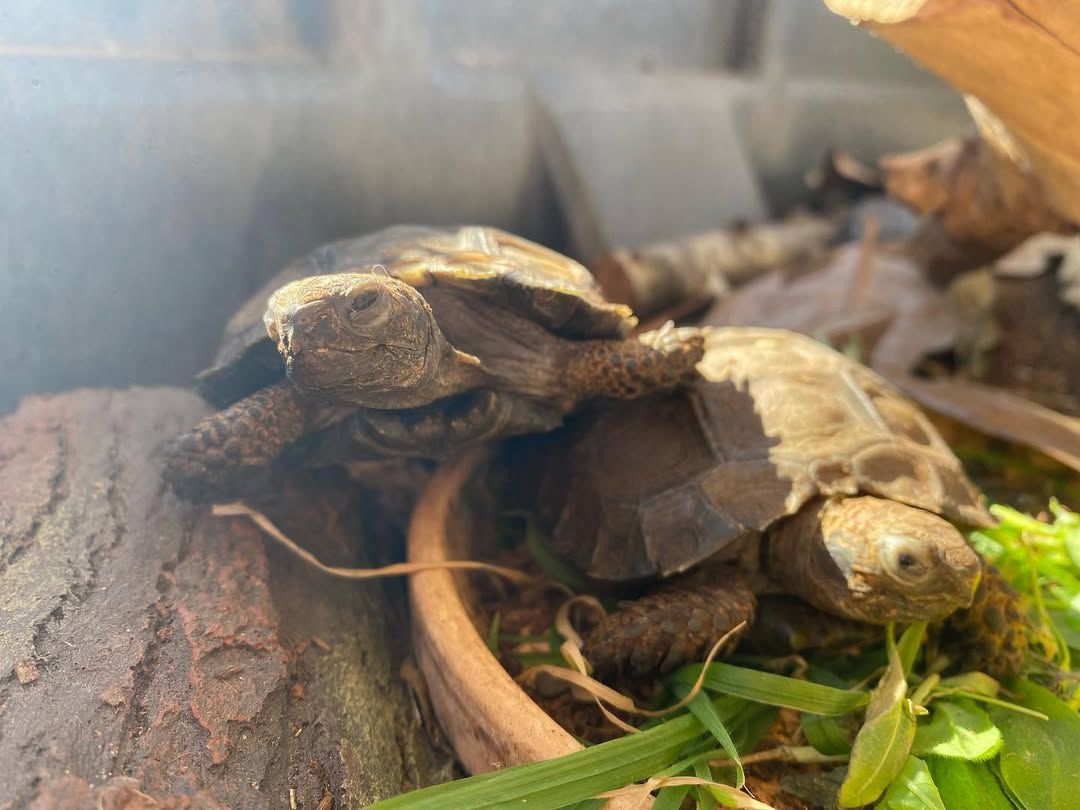
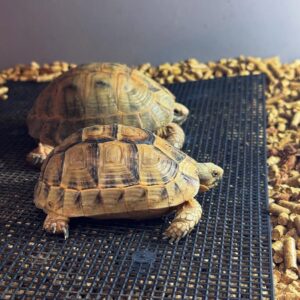
Burmese Brown mountain tortoise
Price range: $450.00 through $2,000.00
The Burmese Brown Mountain Tortoise (Manouria emys emys), also known as the Asian Brown Tortoise, is the smaller and lighter-colored subspecies of the Asian Forest Tortoise, one of the largest tortoises in the world. This species is native to the wet, humid tropical forests of Southeast Asia and is notable for being one of the only tortoises that builds and guards an above-ground nest
Egyptian Tortoise for Sale: Complete Care Guide & Buying Tips 🐢
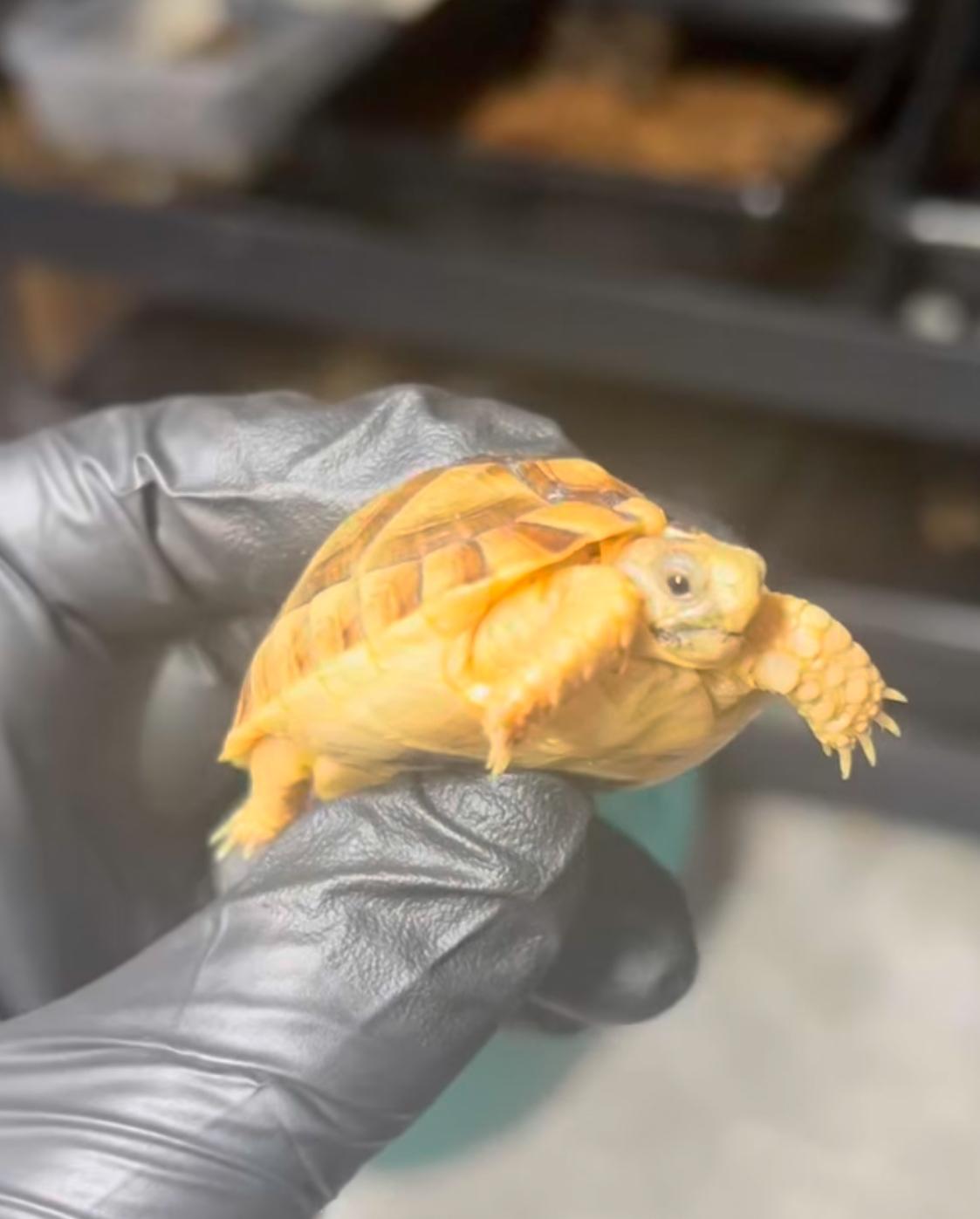
If you’re searching for an Egyptian tortoise for sale, you’re considering one of the smallest and most fascinating tortoise species in the reptile hobby. The Egyptian tortoise (Testudo kleinmanni), also called Kleinmann’s tortoise, is a critically endangered desert species native to North Africa. These pint-sized tortoises rarely exceed 5 inches in length, making them perfect for keepers with limited space who want a truly unique pet. However, their rarity, specific care requirements, and legal considerations make them quite different from more common species like the western hermanns tortoise for sale or yellow foot tortoise for sale options you’ll find at most reptile expos.
Before purchasing an Egyptian tortoise, understanding their needs, legal status, and finding reputable breeders is absolutely essential. This comprehensive guide covers everything from habitat setup to pricing, ensuring you make an informed decision.
Understanding the Egyptian Tortoise Species
What Makes Egyptian Tortoises Unique?
Egyptian tortoises are among the smallest tortoise species globally, with adults measuring just 3-5 inches. Their sandy-yellow to pale brown shell provides perfect camouflage in their natural desert habitat. Unlike the brown mountain tortoise for sale or burmese brown mountain tortoise for sale varieties that prefer humid environments, Egyptian tortoises thrive in hot, arid conditions with minimal humidity.
Key characteristics include:
- Size: 3-5 inches at maturity
- Lifespan: 50-100+ years with proper care
- Activity: Diurnal (active during cooler daylight hours)
- Temperament: Shy, gentle, non-aggressive
- Conservation status: Critically endangered in the wild
Natural Habitat & Behavior
In their native Egyptian and Libyan coastal deserts, these tortoises inhabit sandy scrublands with sparse vegetation. They’re crepuscular, meaning they’re most active during dawn and dusk when temperatures moderate. During extreme heat, they burrow underground or hide under vegetation a behavior you’ll need to accommodate in captivity.
Legal Considerations Before Buying 📋
CITES Regulations & Documentation
Egyptian tortoises are listed under CITES Appendix I, meaning international commercial trade is heavily restricted. In the United States, they can only be sold domestically if they’re captive-bred with proper documentation.
Essential legal requirements:
- CITES paperwork: Verify the seller provides legitimate breeding records
- State permits: Some states require permits for endangered species
- Captive-bred only: Never purchase wild-caught specimens
- Microchip identification: Many breeders microchip their tortoises for tracking
Unlike mountain tortoise for sale listings that may have fewer restrictions, Egyptian tortoises require serious legal diligence. Always request documentation proving captive breeding before any transaction.
Where to Find Egyptian Tortoises for Sale
Reputable Sources
Specialized Tortoise Breeders
Working with established breeders who specialize in rare species is your safest bet. These professionals understand the legal complexities and provide health guarantees. Expect to join waitlists, as breeding success rates are relatively low.
Reptile Expos with Licensed Vendors
Major reptile expos occasionally feature Egyptian tortoises from certified breeders. Always verify credentials and never impulse-buy without proper research.
Online Reptile Retailers
Several reputable online platforms connect buyers with licensed breeders. Look for businesses with excellent reviews, health guarantees, and transparent shipping policies.
Red Flags to Avoid 🚩
- Unusually low prices (under $800)
- Sellers unable to provide CITES documentation
- “Wild-caught” or imported specimens
- No health guarantee or return policy
- Pressure tactics or rushed sales
Pricing Guide: What to Expect
Egyptian tortoise prices reflect their rarity and legal status. Current market rates typically range:
- Hatchlings: $1,200-$2,000
- Juveniles (1-3 years): $1,500-$2,500
- Adults: $2,000-$4,000+
Compare this to more common species: a western hermanns tortoise for sale averages $250-$400, while yellow foot tortoise for sale pricing runs $150-$500 depending on size. The investment in an Egyptian tortoise extends beyond purchase price specialized UV lighting, heating equipment, and veterinary care add significant ongoing costs.
Essential Care Requirements
Habitat Setup
Enclosure Specifications:
- Minimum 4×8 feet for adults (larger is always better)
- Sand substrate mixed with organic topsoil (70% sand, 30% soil)
- Multiple hiding spots and burrow opportunities
- Basking area with flat stones
- Water dish (shallow enough to prevent drowning)
Temperature & Lighting:
- Basking spot: 95-100°F
- Cool side: 75-80°F
- Nighttime: 65-70°F
- UVB lighting: 10-12 hours daily (10.0 or 12.0 bulbs)
- Low humidity: 20-40%
This differs significantly from species like the brown mountain tortoise for sale varieties, which require higher humidity and cooler temperatures.
Diet & Nutrition 🥬
Egyptian tortoises are strict herbivores requiring a high-fiber, low-protein diet:
Daily feeding options:
- Dandelion greens, endive, and escarole (staples)
- Opuntia cactus pads (excellent calcium source)
- Mulberry leaves, hibiscus flowers
- Spring mix and arugula (in moderation)
- Commercial tortoise pellets (occasional supplement)
Avoid:
- Fruit (too much sugar)
- Spinach, kale (oxalates bind calcium)
- Iceberg lettuce (no nutritional value)
- Animal protein
Calcium supplementation 2-3 times weekly and vitamin D3 once weekly prevents metabolic bone disease.
Health Considerations
Common Health Issues
Respiratory Infections
Signs include wheezing, nasal discharge, and lethargy. Usually caused by temperatures that are too low or drafty conditions. Requires immediate veterinary care with antibiotics.
Shell Rot
Appears as soft spots or discoloration on the shell. Results from excessive moisture or poor hygiene. Prevention through proper substrate and humidity control is key.
Parasites
Even captive-bred tortoises can harbor internal parasites. Annual fecal exams with a reptile veterinarian are essential.
Finding a Qualified Veterinarian
Locate an exotic animal veterinarian experienced with tortoises BEFORE purchasing. Not all vets treat reptiles, and emergency situations require immediate specialized care.
Pros & Cons of Egyptian Tortoise Ownership
Advantages ✅
- Compact size: Perfect for apartment or small home living
- Long lifespan: Multi-generational pet
- Low noise: Silent pets ideal for any living situation
- Unique appearance: Conversation starter with distinctive characteristics
- Manageable diet: Readily available foods
Challenges ⚠️
- High initial cost: Significant financial investment
- Legal complexity: Documentation and permit requirements
- Specialized care: Specific temperature and humidity needs
- Limited availability: May require extensive searching
- Long-term commitment: Decades of care required
- Veterinary costs: Exotic animal care is expensive
Breeding Considerations (For Advanced Keepers)
Breeding Egyptian tortoises requires extensive experience and commitment to conservation. Given their critically endangered status, responsible breeding programs help preserve the species.
Basic requirements:
- Minimum 5-year-old healthy adults
- Proper sex ratio (1 male to 2-3 females)
- Separate enclosures to prevent breeding stress
- Incubation temperatures: 88-90°F for 90-120 days
- CITES documentation for all offspring
Most newcomers should focus on providing excellent care rather than breeding.
Expert Tips for First-Time Owners 💡
Before bringing your tortoise home:
- Quarantine setup ready: Separate 30-day quarantine prevents disease spread if you have other reptiles
- Temperature monitoring: Use digital thermometers with probes, not stick-on gauges
- Weight tracking: Weekly weigh-ins help identify health issues early
- Backup heating: Power outages can be fatal have emergency heat sources
- Keeper network: Join Egyptian tortoise forums for ongoing support
The first 30 days:
Expect your new tortoise to be stressed and hide frequently. Minimize handling, maintain consistent temperatures, and offer fresh food daily even if not eaten immediately. Most tortoises acclimate within 2-4 weeks.
Comparing Alternative Species
If the legal complexity or cost of an Egyptian tortoise seems overwhelming, consider these alternatives:
Western Hermann’s Tortoise: European species with similar size (6-8 inches), easier availability, and lower price point ($250-$400). They require slightly higher humidity but otherwise have comparable care needs.
Russian Tortoise: Hardy, widely available, and beginner-friendly. Slightly larger (8-10 inches) with similar desert habitat requirements.
These alternatives don’t diminish the appeal of Egyptian tortoises but offer accessible entry points into tortoise keeping while you research and prepare for more challenging species.
Conclusion
Finding an Egyptian tortoise for sale from a reputable breeder requires patience, research, and financial commitment, but the reward is owning one of the world’s most remarkable tortoise species. Their compact size, unique appearance, and fascinating behaviors make them exceptional pets for dedicated keepers willing to meet their specialized needs. Remember that legal documentation, proper habitat setup, and access to exotic veterinary care are non-negotiable requirements. Whether you choose an Egyptian tortoise or explore alternatives like the burmese brown mountain tortoise for sale or yellow foot tortoise for sale options, always prioritize ethical sourcing and lifelong care commitment. These ancient creatures deserve nothing less than expert, compassionate stewardship. 🐢
Frequently Asked Questions (FAQ Schema)
Q: How much does an Egyptian tortoise cost? A: Egyptian tortoises typically cost between $1,200-$2,000 for hatchlings and up to $4,000+ for adults due to their critically endangered status and captive breeding requirements.
Q: Is it legal to own an Egyptian tortoise in the United States? A: Yes, owning captive-bred Egyptian tortoises is legal in most U.S. states with proper CITES documentation. Some states require additional permits, so check local regulations before purchasing.
Q: How long do Egyptian tortoises live? A: With proper care, Egyptian tortoises can live 50-100+ years, making them a multi-generational commitment requiring long-term planning.
Q: What do Egyptian tortoises eat? A: Egyptian tortoises are herbivores eating mainly leafy greens (dandelion, endive, escarole), opuntia cactus pads, and occasional tortoise pellets. They require calcium supplementation 2-3 times weekly.
Q: How big do Egyptian tortoises get? A: Egyptian tortoises are one of the smallest tortoise species, reaching only 3-5 inches in length at full maturity, making them ideal for keepers with limited space.
Related products
Tortoise
Tortoise
Tortoise
Tortoise
Tortoise
Tortoise
Tortoise

Reviews
There are no reviews yet.