
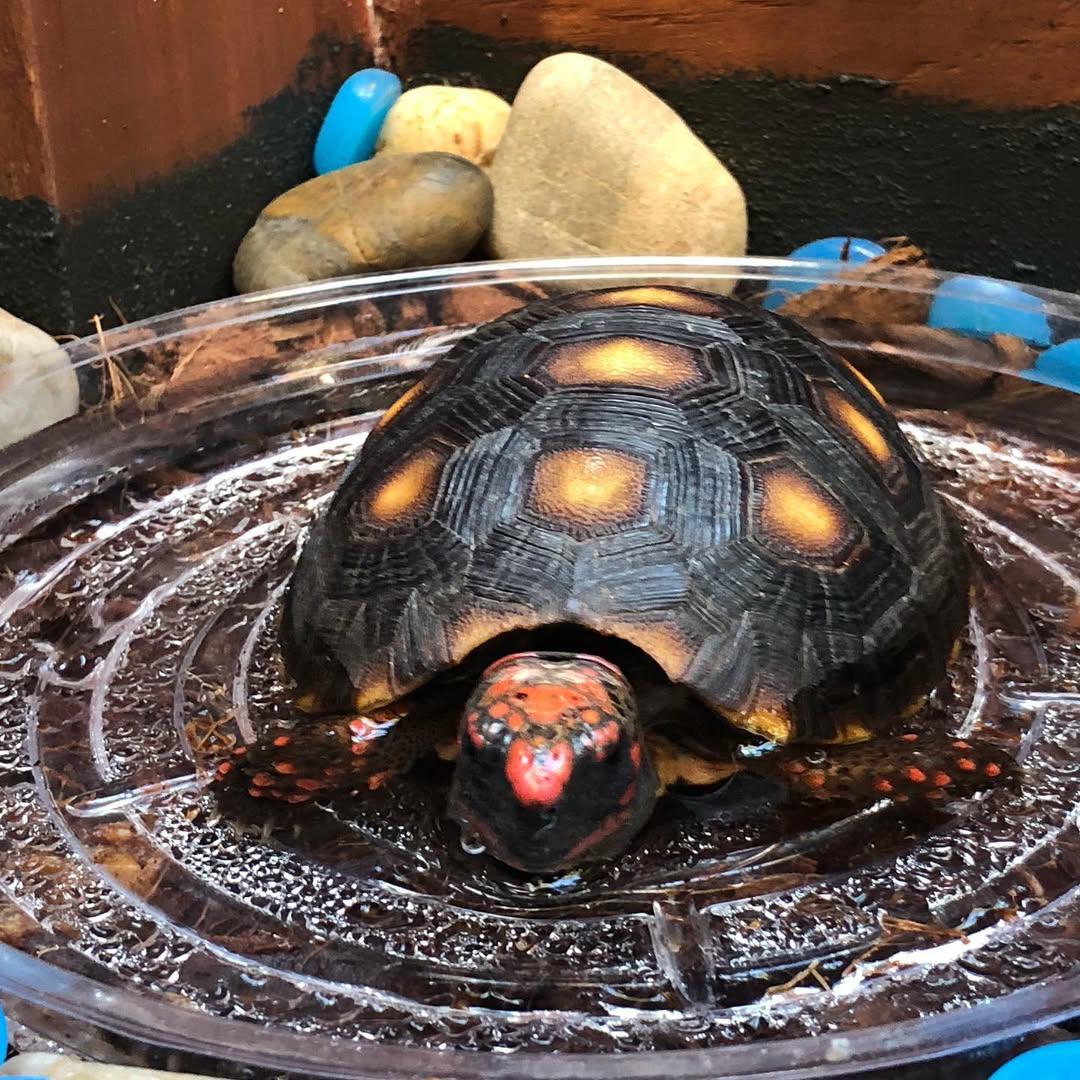
High Orange cherry headed red footed tortoise


Price range: $350.00 through $1,500.00
The “High Orange cherry headed red footed tortoise” is a specifically bred or selectively chosen captive-bred variant of the standard Cherry Head Red-Footed Tortoise known for its exceptionally bright orange or red coloration on its head and limbs. These tortoises are popular pets due to their vibrant appearance, manageable size, and relatively calm temperament.
🐢 Cherry Head Tortoise for Sale: Complete Guide to Buying & Caring for Your Red-Footed Companion
If you’re searching for a cherry head tortoise for sale, you’re considering one of the most charismatic and beginner-friendly tortoise species available in the reptile hobby today. Cherry head red-footed tortoises (Chelonoidis carbonarius) have captured the hearts of reptile enthusiasts worldwide with their vibrant coloring, manageable size, and remarkably interactive personalities. Unlike many tortoise species that remain aloof, these intelligent creatures often recognize their keepers and actively seek interaction during feeding time.
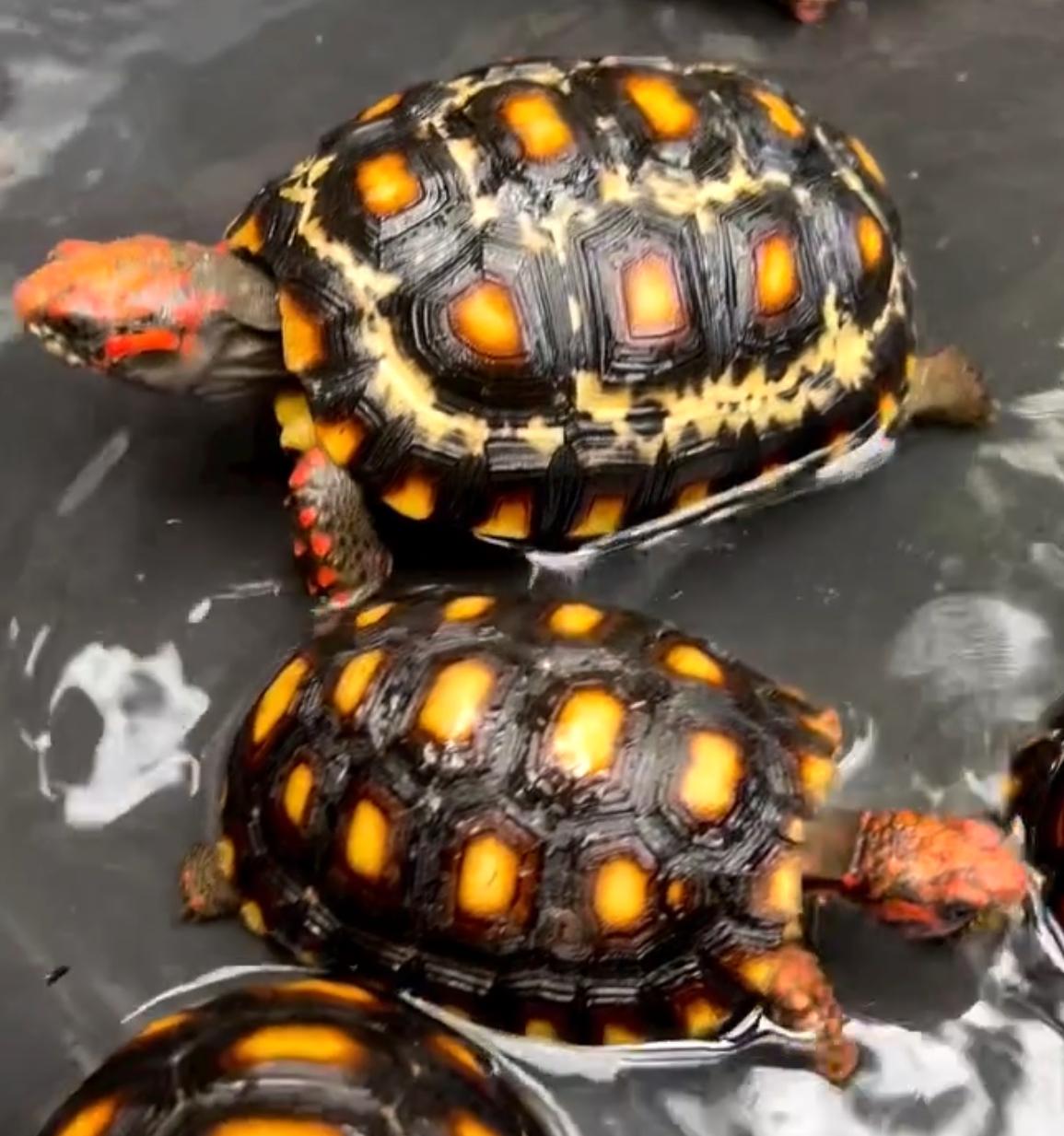
The cherry head variation represents the most colorful morph of red-footed tortoises, distinguished by brilliant red and orange markings on their heads and limbs that intensify with proper care and diet. With proper husbandry, these tropical tortoises can live 50+ years, making them a genuine lifetime companion that may very well outlive their original owners.
Understanding Cherry Head Red-Footed Tortoises
What Makes Cherry Heads Unique?
Cherry head tortoises aren’t technically a separate species they’re a specific locality variant of the red-footed tortoise originating from the Guyana, Suriname, and northern Brazil regions. What sets them apart:
- Vibrant coloration: Deep cherry-red to bright orange scales on the head, legs, and visible skin
- Compact size: Adults typically reach 10-14 inches, smaller than their Brazilian cousins
- Domed shell: Higher, more rounded carapace compared to other red-foot localities
- Personality: Exceptionally curious and food-motivated, often greeting keepers at enclosure doors
Natural Habitat & Behavior
In the wild, cherry heads inhabit tropical rainforests where they forage for fallen fruits, flowers, fungi, and occasional protein sources. They’re crepuscular creatures, most active during dawn and dusk when temperatures are moderate and humidity peaks. This natural behavior pattern influences their captive care requirements significantly.
🛒 Finding Quality Cherry Head Tortoises for Sale
Where to Buy Cherry Head Tortoises
Reputable Sources:
- Specialized tortoise breeders – The gold standard for healthy, well-started animals
- Reptile expos – Meet breeders face-to-face and inspect animals personally
- Established online retailers – Convenient with health guarantees and overnight shipping
- Rescue organizations – Occasionally have cherry heads needing rehoming
Avoid:
- Pet store chain animals (often imported, stressed, and parasite-laden)
- Unverified sellers on general classified sites
- Anyone offering wild-caught specimens
Baby Tortoise for Sale Online: What to Expect
When purchasing a baby tortoise for sale online, legitimate sellers provide:
- Multiple clear photos of the actual animal (not stock images)
- Detailed health guarantees (typically 7-14 days minimum)
- Live arrival guarantees with proper shipping
- Clear care instructions and breeder support
- CITES documentation for legal verification
Most reputable sources offer baby giant tortoise for sale programs where you can reserve hatchlings from upcoming clutches. While cherry heads aren’t truly “giant” tortoises, they’re often grouped in searches with larger tropical species.
Pricing Guide for Cherry Head Tortoises
Current Market Rates (2025):
- Hatchlings (2-6 months): $175-$300
- Well-started babies (6-12 months): $250-$400
- Juveniles (1-3 years): $350-$600
- Adults: $500-$1,200+
- Breeding females: $800-$1,500
Female cherry head tortoise for sale specimens command premium prices due to breeding potential and generally calmer temperaments. Sexing becomes reliable around 4-5 years when males develop concave plastrons and longer, thicker tails.
🌟 Benefits of Choosing Cherry Head Tortoises
Why They’re Perfect for Enthusiasts
Temperament Advantages:
- Highly food-motivated, making training and interaction easy
- Generally docile and tolerant of gentle handling
- Less prone to stress compared to Mediterranean species
- Social with conspecifics when properly housed
Care Benefits:
- No hibernation required (tropical species)
- Moderate size prevents overwhelming space requirements
- Hardy when humidity and temperature are maintained
- Omnivorous diet provides feeding variety and enrichment
Long-term Value:
- Decades of companionship with proper care
- Breeding potential for serious hobbyists
- Steadily appreciating value in the reptile market
- Educational opportunities for families
Considerations Before Buying
Investment Requirements:
Your initial setup will cost $400-$800 beyond the animal itself:
- 4×8 foot minimum enclosure for adults
- High-quality UVB lighting ($60-$150 annually)
- Ceramic heat emitters or radiant heat panels
- Substrate, hides, water features
- Quality food and supplements
Time Commitment:
- Daily feeding and water changes
- Weekly enclosure maintenance
- Bi-weekly soaks for juveniles
- Periodic health monitoring
🏠 Essential Care Requirements
Housing Your Cherry Head Tortoise
Hatchling to Juvenile (0-3 years):
- Minimum 3×6 foot enclosure (larger always better)
- Glass aquariums work temporarily but lack ventilation
- Tortoise tables or custom enclosures preferred
Adult Housing:
- Indoor: 4×8 foot minimum, 6×12 ideal
- Outdoor: Full-time in USDA zones 9-11 with shelter
- Mixed: Outdoor summer, indoor winter in most climates
Critical Parameters:
- Temperature gradient: 75-80°F cool end, 85-90°F basking spot
- Humidity: 60-80% (crucial for shell and respiratory health)
- UVB: 10-12 hours daily of quality UVB (Zoo Med 10.0 or Arcadia 12%)
Nutrition for Optimal Coloration
The brilliant cherry-red coloring intensifies with proper nutrition:
Daily Diet Base (70%):
- Dark leafy greens (collards, turnip greens, dandelion)
- Cactus pads (nopales)
- Tropical flowers (hibiscus, rose)
Fruits (20%):
- Papaya, mango, berries, figs
- Limit high-sugar fruits to prevent obesity
Protein (10%):
- Mazuri tortoise chow
- Occasional earthworms, snails
- Hard-boiled egg (monthly treat)
Supplementation:
- Calcium with D3 every other feeding
- Vitamin supplement weekly
⚠️ Common Mistakes to Avoid
When buying tortoise baby for sale specimens, new keepers often:
- Underestimate humidity needs – Cherry heads require tropical conditions
- Skip UVB lighting – Essential for calcium metabolism and shell health
- House on inappropriate substrates – Cedar, pine, and sand cause problems
- Overfeed protein – Leads to pyramiding and kidney issues
- Neglect regular soaking – Hydration prevents bladder stones
🔍 Health Screening Checklist
Before purchasing any cherry head tortoises for sale, verify:
✅ Eyes: Clear, bright, no discharge or swelling
✅ Nostrils: Dry, no bubbling or mucus
✅ Shell: Smooth growth, no soft spots or abnormal pyramiding
✅ Weight: Feels substantial, not hollow
✅ Activity: Alert and responsive to stimuli
✅ Appetite: Eating regularly (ask breeder for feeding records)
✅ Waste: Normal formed urates (white) and feces
Reputable sellers provide recent fecal exam results showing negative parasite loads.
📋 Legal Considerations
Documentation You Need
- CITES certificates for interstate or international transport
- Health certificates from licensed veterinarians (for some states)
- Breeder permits if you plan to breed and sell offspring
- Local ordinances – Some municipalities restrict tortoise keeping
Most captive-bred cherry heads don’t require CITES for domestic sales, but always verify your state’s wildlife regulations.
🎯 Expert Recommendations
From 15+ years of tortoise keeping experience:
Start with well-started juveniles (6-12 months) rather than delicate hatchlings. They’re past the most vulnerable stage, established on solid food, and their personality begins showing. Yes, they cost slightly more, but the survival rate and ease of care make them worth every penny.
Invest in quality over quantity one properly equipped enclosure beats three inadequate setups. Cherry heads thrive with space, and the “upgrade later” mentality often results in delayed growth and behavioral issues.
Join online communities before purchasing. The tortoise keeping community is incredibly supportive, and experienced keepers can recommend trusted breeders and help troubleshoot setup questions before you bring your new companion home.
❓ Frequently Asked Questions (FAQ Schema)
Q: How long do cherry head tortoises live?
A: With proper care, cherry head tortoises typically live 50-70 years in captivity, with some documented cases exceeding 80 years. They’re a genuine lifetime commitment requiring long-term planning.
Q: Can cherry head tortoises live with other tortoise species?
A: Cherry heads should only be housed with other red-footed tortoises of similar size. Never mix species due to different care requirements, disease transmission risks, and potential aggression.
Q: How often should I handle my cherry head tortoise?
A: Brief daily interaction during feeding is beneficial, but limit extended handling to 15-20 minutes several times weekly. Over-handling causes stress despite their tolerant nature.
Q: What size will my baby cherry head tortoise grow to?
A: Most cherry heads reach 10-12 inches as adults, with exceptional females occasionally hitting 14 inches. Growth takes 10-15 years, with most size gained in the first 5 years.
Q: Do cherry head tortoises need to hibernate?
A: No, cherry heads are tropical tortoises that do not hibernate or brumate. Maintain consistent temperatures and lighting year-round for optimal health.
Conclusion
Finding the right cherry head tortoise for sale requires research, patience, and commitment to providing proper care for decades to come. These magnificent creatures reward dedicated keepers with vibrant colors, engaging personalities, and lifelong companionship that few other reptiles can match.
Whether you’re purchasing your first baby giant tortoise for sale or adding to an established collection, prioritize sourcing from ethical breeders who prioritize animal health over profit. Your new cherry head deserves the best possible start in its long life ahead.
Ready to welcome one of these incredible tortoises into your home? Take your time, prepare their habitat completely before arrival, and enjoy the journey with one of the reptile world’s most rewarding species. 🐢✨
| Size | Baby, Juvenile, Young Adult, Adult |
|---|---|
| sex | male, female |
Be the first to review “High Orange cherry headed red footed tortoise”
Related products
Tortoise
Tortoise
Tortoise
Tortoise
Tortoise
Tortoise
Tortoise
Tortoise
Reviews
There are no reviews yet.