
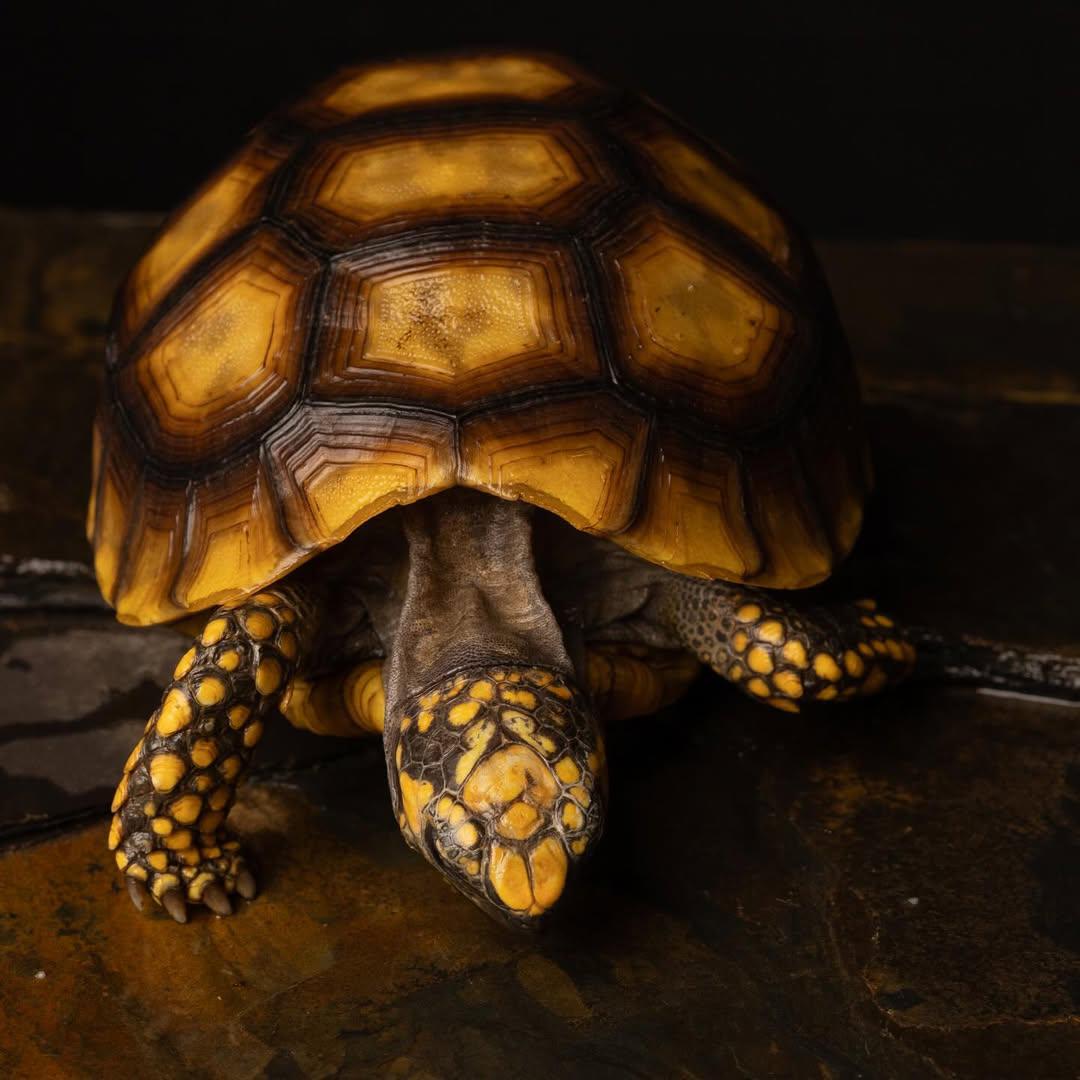
High yellow footed tortoise
Price range: $350.00 through $1,200.00
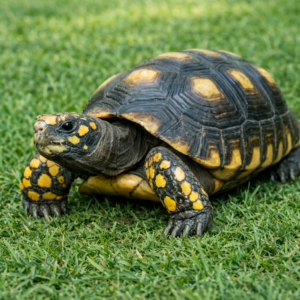
The yellow-footed tortoise (Chelonoidis denticulatus), also known as the Brazilian giant tortoise, gets its name from the distinctive yellow or orange scales on its limbs and head. The term “high yellow” typically refers to individuals that display particularly vibrant and extensive yellow markings.
Baby Tortoise for Sale: Complete Guide to Choosing Your Perfect Shelled Companion 🐢
Looking for a baby tortoise for sale can feel overwhelming with countless species, sellers, and care requirements to consider. As someone who’s worked with reptile enthusiasts and breeders for over a decade, I’ve seen both successful tortoise adoptions and unfortunate mismatches between owners and their shelled companions.
Purchasing a baby tortoise isn’t like buying a goldfish these remarkable creatures can live 50-100+ years with proper care, making them genuine lifetime commitments. Whether you’re drawn to the stunning yellow footed tortoise for sale or searching for affordable options among cheap baby tortoise for sale listings, understanding what makes a healthy hatchling and reputable seller is crucial before you invest.
This comprehensive guide covers everything from species selection and pricing to care essentials and red flags to avoid when buying your tortoise.
Understanding Baby Tortoise Species Available 🌿
Popular Species for First-Time Owners
Not all baby tortoises for sale are created equal. Some species thrive in captivity while others require expert-level care.
Beginner-friendly options include:
- Russian Tortoises – Hardy, compact (6-10 inches), tolerate temperature variations well
- Greek Tortoises – Docile temperament, manageable size, relatively low-maintenance
- Hermann’s Tortoises – Excellent for beginners, active personalities, moderate care needs
- Red-Footed Tortoises – Slightly larger but incredibly personable and adaptable
More demanding species:
- Sulcata Tortoises – Grow massive (100+ pounds), need extensive outdoor space
- Leopard Tortoises – Sensitive to humidity, require precise environmental control
- Yellow-Footed Tortoises – Need higher humidity than red-foots, specific dietary requirements
Why Yellow Footed Tortoises Deserve Special Attention
The yellow footed tortoise for sale market has grown significantly because these South American natives display vibrant coloring and engaging personalities. However, they require 60-80% humidity levels and temperatures between 78-88°F conditions that demand dedicated equipment and monitoring.
A high yellow footed tortoise for sale (referring to specimens with exceptional color saturation) can command premium prices ($350-$600) compared to standard morphs ($200-$350).
Price Guide: What You Should Expect to Pay 💰
Realistic Pricing Breakdown
Budget-friendly options ($75-$150):
- Russian tortoises
- Greek tortoises (common morphs)
- Captive-bred common species
Mid-range investments ($150-$350):
- Hermann’s tortoises
- Red-footed tortoises
- Standard yellow-footed tortoises
Premium purchases ($350-$1,000+):
- High yellow-footed tortoises
- Rare color morphs
- Albino or designer genetics
The Truth About “Cheap Baby Tortoise for Sale” Listings
I’ve investigated dozens of cheap baby tortoise for sale advertisements, and here’s what I’ve learned: prices significantly below market average often indicate:
- Wild-caught specimens (illegal in many cases, higher mortality rates)
- Health issues or deformities
- Unethical breeding operations
- Scam websites that never deliver
A legitimately healthy captive-bred hatchling rarely costs under $100. If you’re on a budget, consider adopting from reptile rescues or waiting for reputable breeder sales rather than risking a sick animal.
Where to Find Baby Tortoises Safely 🔍
Online vs. Local: Pros and Cons
Searching “baby tortoise for sale near me” offers advantages:
✅ Inspect the animal before purchase
✅ Ask questions face-to-face
✅ Avoid shipping stress on hatchlings
✅ Build relationships with local breeders
Reputable online sources provide:
✅ Wider species selection
✅ Access to specialized breeders
✅ Detailed health guarantees
✅ Customer reviews and track records
Red Flags in Sellers
Avoid sellers who:
- Refuse to provide hatchling photos or videos
- Can’t answer basic care questions
- Offer “too good to be true” pricing
- Lack health guarantees or return policies
- Ship without proper insulation and heat packs
- Cannot provide documentation of captive breeding
Trustworthy sellers will:
- Provide detailed care sheets
- Share photos of breeding stock and facilities
- Offer health guarantees (typically 7-30 days)
- Ship via overnight delivery with tracking
- Answer questions promptly and knowledgeably
- Have verifiable positive reviews
Essential Care Requirements Before You Buy 🏡
Initial Setup Costs
Beyond the tortoise itself, expect to invest $300-$600 in proper housing:
Required equipment:
- Enclosure – 40+ gallon tank or custom tortoise table ($100-$250)
- UVB lighting – Essential for calcium metabolism ($40-$80)
- Heat lamp – Basking spot at 90-95°F ($25-$50)
- Substrate – Species-appropriate bedding ($20-$40)
- Food/water dishes – Shallow, sturdy options ($15-$30)
- Thermometer/hygrometer – Monitor conditions accurately ($15-$25)
- Hide box – Security and temperature regulation ($20-$40)
Daily Care Commitments
Baby tortoises require dedicated attention:
- Feeding – Fresh vegetables daily, variety is crucial
- Water – Shallow soaking 3-4 times weekly for hatchlings
- Temperature monitoring – Check basking and cool zones twice daily
- Enclosure maintenance – Spot-clean waste daily, deep clean weekly
- Health checks – Examine eyes, nose, shell for abnormalities
Health Indicators: Choosing a Healthy Hatchling ⚕️
What to Look For
Signs of a healthy baby tortoise:
- Eyes – Bright, alert, no discharge or swelling
- Nose – Clear, no bubbling or mucus
- Shell – Firm, smooth growth rings, no soft spots or pyramiding
- Skin – Good elasticity, no retained shed on limbs
- Behavior – Active during appropriate hours, responsive to stimuli
- Weight – Feels substantial, not hollow or overly light
Warning Signs to Reject
Immediate deal-breakers:
- Lethargy or non-responsiveness
- Cloudy or sunken eyes
- Audible breathing or gaping mouth
- Shell deformities or excessive pyramiding in young tortoises
- Visible parasites or shell rot
- Inability to walk normally
A reputable breeder will allow you to observe the tortoise eating before purchase hatchlings with healthy appetites adapt better to new environments.
Seasonal Considerations and Shipping 📦
Best Times to Purchase
Spring and early summer (April-June):
- Optimal shipping temperatures
- Longer acclimation period before winter
- Peak breeding season means better selection
Fall purchases (September-October):
- End-of-season deals
- Still warm enough for safe shipping
- Breeders clearing inventory
Avoid winter purchases unless:
- Buying locally to avoid shipping
- Seller uses professional reptile shipping services
- You’re prepared for indoor housing until spring
Shipping Safety Standards
Professional breeders ship baby tortoises for sale using:
- Insulated shipping containers
- Heat or cool packs (temperature-dependent)
- Overnight delivery only
- Ship Monday-Wednesday to avoid weekend delays
- “Hold for Pickup” at shipping facilities in extreme weather
Never accept a seller who ships via ground service or budget carriers—the stress and temperature fluctuation can be fatal to hatchlings.
Legal Considerations and Documentation 📋
Species Regulations
Before purchasing, verify:
- CITES status – Some species require permits for interstate transport
- State regulations – Certain states prohibit specific tortoise species
- Local ordinances – City/county exotic pet restrictions
- Quantity limits – Some jurisdictions limit the number you can own
Always request:
- Captive-bred documentation
- Health certificate (if required by your state)
- Receipt with species scientific name
- Breeder contact information for future questions
Long-Term Cost Analysis 💵
Lifetime Investment Breakdown
Annual expenses (conservative estimates):
- Food: $200-$400
- Substrate/bedding: $100-$200
- Electricity (lighting/heating): $150-$300
- Veterinary care: $100-$500 (routine to emergency)
- Equipment replacement: $50-$150
50-year ownership projection: $25,000-$77,500
This calculation doesn’t even include outdoor enclosure construction, which can cost $500-$5,000+ depending on size and predator-proofing requirements.
Understanding these long-term commitments separates impulsive buyers from dedicated tortoise keepers.
Expert Tips for New Tortoise Owners 🎓
Setting Yourself Up for Success
From my experience with hundreds of tortoise owners:
- Join species-specific forums before purchasing – Learn from experienced keepers
- Locate an exotic vet beforehand – Emergency situations require immediate access
- Start with one tortoise – Master care before considering multiple animals
- Invest in quality equipment initially – Cheap setups cost more in replacements and vet bills
- Keep detailed records – Track weight, feeding, shedding, and behavior patterns
Common Mistakes to Avoid
First-time owners frequently:
- House babies in too-large enclosures (makes monitoring difficult)
- Overfeed protein (causes shell pyramiding)
- Use inappropriate substrates (risks impaction)
- Skip quarantine when adding new tortoises
- Underestimate growth rates and space needs
Conclusion
Finding the perfect baby tortoise for sale requires balancing species selection, budget considerations, and seller credibility with your lifestyle and long-term commitment capacity. Whether you’re captivated by the vibrant yellow footed tortoise for sale listings or seeking budget-friendly options among baby tortoises for sale, prioritizing health, legal acquisition, and proper care setup ensures a rewarding relationship with your shelled companion.
Remember that the initial purchase price represents a fraction of your lifetime investment. Focus on finding healthy, captive-bred specimens from ethical sources rather than hunting for the cheap baby tortoise for sale that may bring heartache and veterinary expenses. These ancient creatures deserve knowledgeable, dedicated owners who view them as the decades-long commitments they truly are.
Start your tortoise journey with education, patience, and realistic expectations your future self (and your tortoise) will thank you. 🐢💚
Frequently Asked Questions (FAQ Schema)
Q: How long do baby tortoises live with proper care?
A: Most tortoise species live 50-100+ years in captivity, with some species like Sulcatas and Aldabras potentially exceeding 100 years. Smaller species like Russians typically live 40-60 years with excellent care.
Q: What should I feed my baby tortoise?
A: Baby tortoises need a diet of 80% dark leafy greens (dandelion, collard, mustard greens), 15% vegetables (squash, bell peppers), and 5% fruits as occasional treats. Avoid high-protein foods and never feed dog or cat food.
Q: Can I keep multiple baby tortoises together?
A: While possible with same-species tortoises of similar size, beginners should start with single animals. Multiple tortoises require larger spaces, can compete for food, and may show aggression during breeding maturity.
Q: Do baby tortoises need UVB lighting?
A: Yes, absolutely. UVB lighting is essential for calcium metabolism and preventing metabolic bone disease. Tortoises need UVB exposure 10-12 hours daily, with bulbs replaced every 6-12 months regardless of whether they still produce visible light.
Q: How much space does a baby tortoise need?
A: Start with minimum 4×8 feet for most species, but plan for expansion. Adult Russians need 50+ square feet, while species like Sulcatas require 200+ square feet of outdoor space. Bigger is always better for tortoise welfare.
| Size | Baby, Juvenile, Young Adult, Adult |
|---|---|
| sex | male, female |
Be the first to review “High yellow footed tortoise”
Related products
Tortoise
Tortoise
Tortoise
Tortoise
Tortoise
Tortoise
Tortoise
Reviews
There are no reviews yet.