 Skip to content
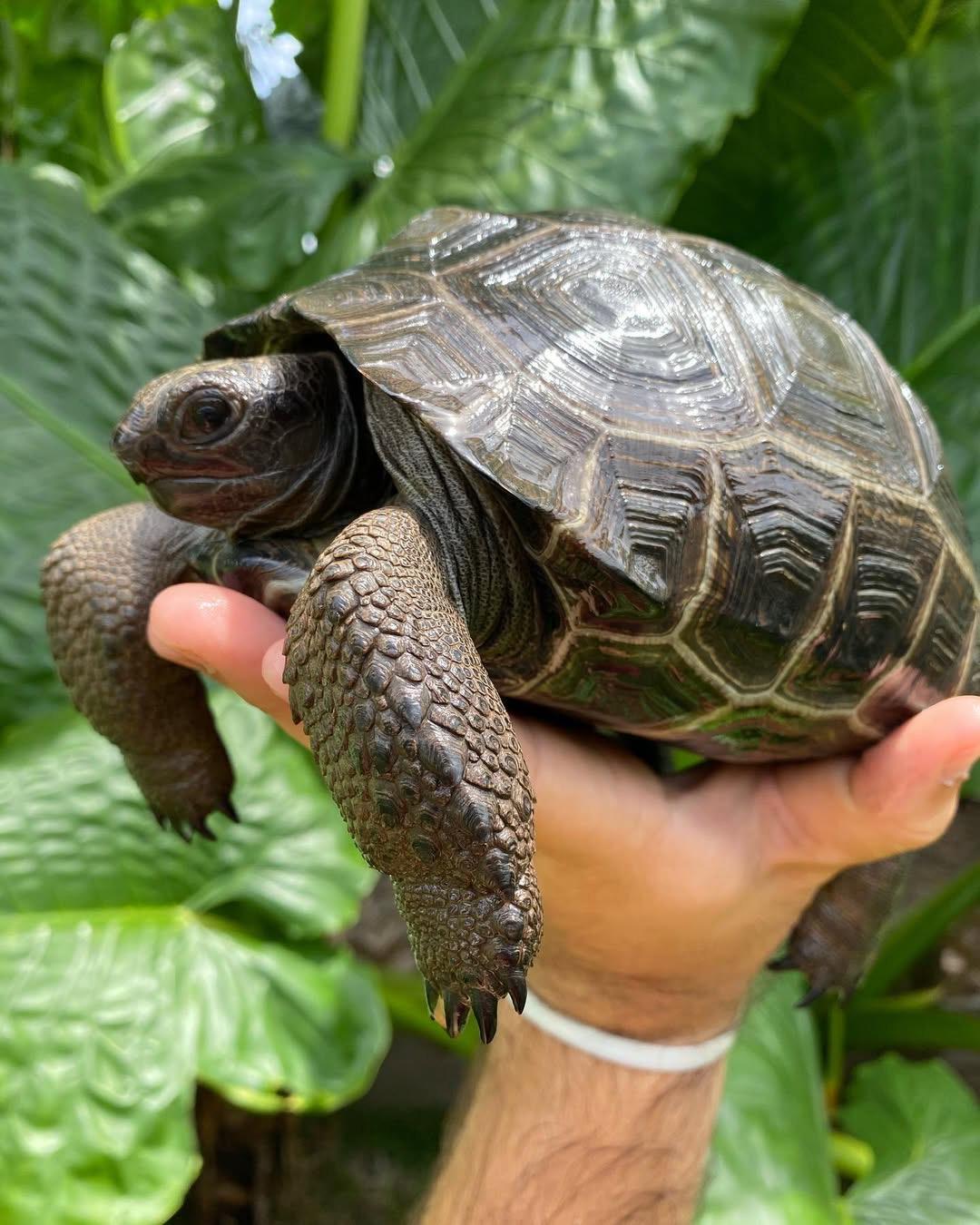
Aldabra tortoise
Price range: $350.00 through $1,000.00
The Aldabra giant tortoise (Aldabrachelys gigantea) is one of the largest tortoises in the world, renowned for its incredible lifespan and significant role in its island ecosystem. The main wild population resides on the remote Aldabra Atoll in the Seychelles, which is a UNESCO World Heritage Site
Aldabra Tortoise for Sale: Complete Buyer’s Guide 2026 🐢
If you’re searching for an aldabra tortoise for sale, you’re considering one of the most magnificent reptile companions available today. These gentle giants, native to the Aldabra Atoll in the Seychelles, can live over 100 years and grow to impressive sizes exceeding 550 pounds. As someone who’s worked with exotic reptiles for over 15 years, I’ve witnessed the profound bond these creatures form with their keepers. However, purchasing an Aldabra requires careful consideration, proper preparation, and connection with ethical breeders who prioritize animal welfare.
This comprehensive guide walks you through everything you need to know before investing in these incredible animals from legal requirements and pricing to habitat setup and long-term care commitments.
Understanding Aldabra Giant Tortoises: What Makes Them Special
Size and Lifespan Expectations
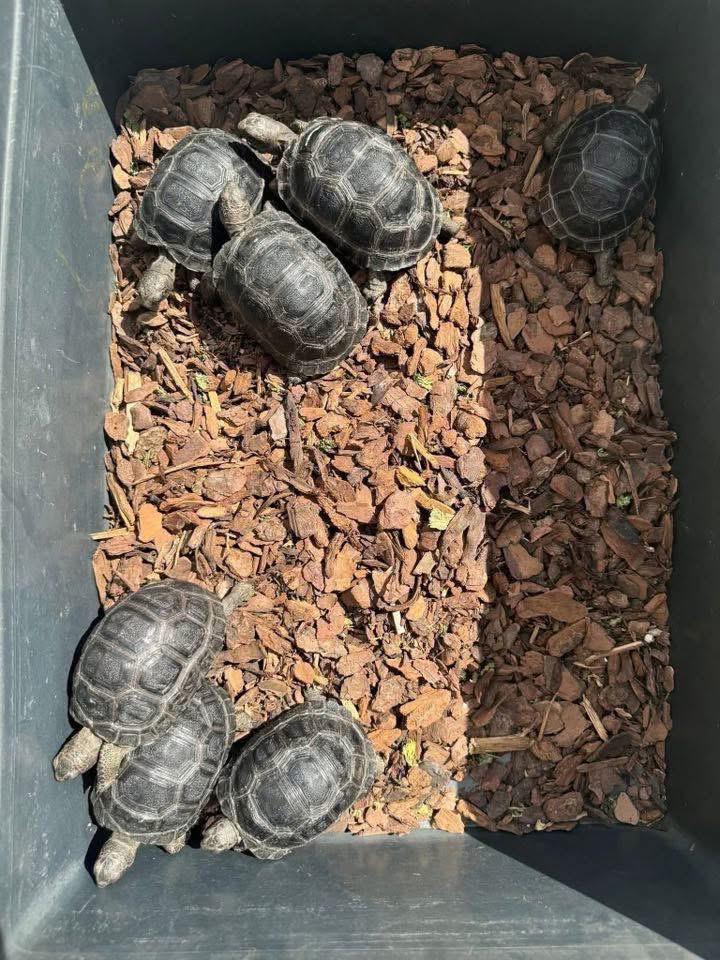
Aldabra giant tortoises rank among the largest tortoise species on Earth. Hatchlings start at approximately 2-3 inches, but don’t let that fool you. Within 15-20 years, they’ll reach 200+ pounds, and mature adults commonly exceed 400-550 pounds. I’ve personally measured specimens with shell lengths over 48 inches.
Growth milestones you can expect:
- Years 1-5: Rapid growth from 2 inches to 12+ inches
- Years 5-15: Steady development reaching 100-200 pounds
- Years 15-25: Near-adult size at 250-400 pounds
- Years 25+: Full maturity with potential for continued slow growth
Their lifespan regularly exceeds 100 years, with documented cases reaching 150+ years. This isn’t a pet—it’s a multi-generational family commitment.
Temperament and Behavior
Unlike some aggressive reptile species, Aldabras display remarkably calm, curious personalities. They recognize their keepers, respond to feeding schedules, and often seek out human interaction. I’ve observed individuals approaching visitors for head scratches and following owners around outdoor enclosures like loyal dogs.
That said, their size demands respect. An adult can accidentally injure someone simply by walking over their foot or swinging their massive head unexpectedly.
Where to Find Aldabra Tortoises for Sale
Reputable Breeders vs. Pet Stores
When searching for aldabra tortoises for sale, source matters tremendously. Reputable breeders provide:
✅ Complete health documentation and veterinary records
✅ CITES permits and legal proof of captive breeding
✅ Detailed care guidance and ongoing support
✅ Genetic background information
✅ Proper quarantine protocols before sale
Avoid impulse purchases from general pet stores lacking specialized reptile expertise. I’ve rehabilitated too many improperly-cared-for giants purchased from uninformed sellers.
What About Adult Aldabra Tortoise for Sale?
Many buyers prefer purchasing an adult aldabra tortoise for sale rather than raising hatchlings. Benefits include:
- Established personality you can observe before purchase
- Immediate impressive size
- Reduced risk of early-life health complications
- Known gender (critical for breeding plans)
However, adults command premium prices ($8,000-$20,000+) compared to hatchlings ($1,500-$4,000). Additionally, transporting a 300-pound tortoise requires professional logistics.
Aldabra Tortoise Eggs for Sale: Breeding Considerations
Some experienced keepers seek aldabra tortoise eggs for sale for breeding programs. This advanced approach requires:
- Commercial-grade incubation equipment maintaining 82-86°F
- Humidity control at 70-80%
- 110-250 day incubation periods
- Specialized knowledge of hatchling care
Unless you’re an established breeder, I recommend starting with juveniles aged 1-3 years. They’re hardy, more affordable, and still provide decades of companionship.
Legal Requirements and Regulations
CITES Documentation
Aldabra tortoises fall under CITES Appendix II, meaning international trade requires permits. Any legitimate seller must provide:
- Proof of captive-bred status
- CITES export/import permits (for international purchases)
- State wildlife permits where applicable
Never purchase without complete documentation. Illegal wildlife trade carries severe penalties including $50,000+ fines and potential imprisonment.
State-Specific Laws (California and Beyond)
Searching for aldabra tortoise for sale california? California requires additional permits through the Department of Fish and Wildlife. Requirements include:
- Restricted Species Permit application
- Facility inspection for adequate housing
- Proof of experience with large reptiles
Other states like Florida, Texas, and Arizona have varying regulations. Always verify local laws before purchasing. I’ve witnessed heartbreaking situations where owners couldn’t legally keep their tortoises due to unresearched restrictions.
Pricing and Budgeting for Your Investment
Initial Purchase Costs
Current market prices for aldabra giant tortoise for sale vary significantly:
- Hatchlings (0-1 year): $1,500 – $3,000
- Juveniles (1-5 years): $3,000 – $6,000
- Sub-adults (5-15 years): $6,000 – $12,000
- Adults (15+ years): $10,000 – $25,000+
Premium specimens with exceptional genetics, proven breeding history, or rare coloration command higher prices.
Ongoing Annual Expenses
Beyond purchase price, budget for:
- Food: $1,200-$2,400/year (fresh produce, hay, supplements)
- Veterinary care: $500-$1,500/year (wellness exams, parasite treatments)
- Heating/lighting: $600-$1,200/year (electricity for outdoor heated shelters)
- Habitat maintenance: $300-$800/year (substrate, repairs, enrichment)
Total first-year investment: $8,000-$15,000 (including purchase and setup)
Essential Habitat Requirements 🏡
Outdoor Enclosure Specifications
Aldabras thrive in outdoor environments with Mediterranean or tropical climates. Minimum requirements:
For juveniles (under 50 lbs):
- 100+ square feet of roaming space
- 6-foot perimeter fencing (3 feet tall)
- Heated shelter for temperatures below 60°F
For adults (200+ lbs):
- 500-1,000+ square feet minimum
- Reinforced fencing (these animals can push through weak barriers)
- Multiple shade structures and water features
- Nighttime heated shelter maintaining 65-75°F
I recommend native grasses, hibiscus, and mulberry trees within enclosures they provide natural forage and environmental enrichment.
Climate Considerations
Ideal temperature range: 75-95°F daytime, 65-75°F nighttime
If you live in colder climates, winterization requires:
- Insulated heated shelters (200+ square feet for adults)
- Ceramic heat emitters or radiant panels
- Temperature monitoring systems with alarms
- Backup power for heating failures
Nutrition and Feeding Protocol
Daily Diet Essentials
Aldabras are primarily herbivorous grazers. Optimal diet includes:
70% – Grass and hay (Bermuda grass, Timothy hay, Orchard grass)
20% – Dark leafy greens (Collard greens, mustard greens, dandelion)
8% – Vegetables (Squash, sweet potato, bell peppers)
2% – Fruits (Occasional treats: papaya, mango, cactus pads)
Feeding schedule:
- Hatchlings: Daily feeding with calcium supplementation
- Juveniles: 5-6 times weekly
- Adults: 4-5 times weekly with grazing opportunity
Avoid protein-rich foods (dog food, cat food) which cause pyramiding and shell deformities.
Hydration Requirements
Provide constant access to shallow water dishes (3-4 inches deep for adults). Aldabras both drink and soak regularly. I change water daily to prevent bacterial growth.
Health Monitoring and Veterinary Care
Finding Qualified Reptile Veterinarians
Not all vets handle 500-pound tortoises. Locate specialists before emergencies by:
- Contacting the Association of Reptilian and Amphibian Veterinarians
- Asking breeders for recommendations
- Verifying experience with giant tortoise species
Common Health Concerns
Respiratory infections: Symptoms include wheezing, nasal discharge, lethargy. Requires immediate antibiotic treatment.
Parasites: Internal parasites affect 70%+ of captive tortoises. Annual fecal examinations are essential.
Shell rot: Results from prolonged moisture exposure. Prevented through proper substrate and dry sleeping areas.
Metabolic bone disease: Caused by calcium/vitamin D3 deficiency. Prevented through supplementation and UVB exposure.
Annual wellness exams cost $200-$400 but prevent expensive emergency interventions.
Pros and Cons of Aldabra Ownership
Advantages ✅
- Unmatched longevity: Multi-generational companion
- Gentle temperament: Safe around supervised children
- Low daily maintenance: Once established, routine care is straightforward
- Impressive presence: Conversation starter and educational opportunity
- Outdoor living: No indoor space requirements in suitable climates
Challenges ⚠️
- Enormous size: Requires substantial outdoor space
- Lifetime commitment: Outlives most owners
- High initial costs: Setup and purchase exceed $10,000
- Limited vet availability: Specialized care can be difficult to access
- Zoning restrictions: Some areas prohibit exotic animal ownership
Expert Tips for First-Time Owners
After helping dozens of families prepare for Aldabra ownership, here’s my essential advice:
Start with juveniles: The 2-5 year age range offers manageable size while providing decades of companionship.
Oversize the enclosure: They grow faster than expected. Build for their adult size from the beginning.
Join tortoise communities: Organizations like the California Turtle and Tortoise Club provide invaluable support networks.
Prepare succession plans: Given their lifespan, establish care arrangements in your will.
Document everything: Photograph growth, maintain health records, and track dietary preferences.
Frequently Asked Questions (FAQ Schema)
Q: How much does an aldabra tortoise cost?
A: Aldabra tortoises range from $1,500 for hatchlings to $25,000+ for proven breeding adults. Average juveniles cost $3,000-$6,000 from reputable breeders.
Q: Can I keep an Aldabra tortoise indoors?
A: Hatchlings and small juveniles can temporarily live indoors, but adults require outdoor enclosures. Indoor housing for 400+ pound tortoises is impractical and unhealthy.
Q: How long do Aldabra tortoises live?
A: Aldabra tortoises commonly live 80-120 years, with documented cases exceeding 150 years. They will likely outlive their original owners.
Q: What do Aldabra tortoises eat?
A: They primarily eat grass (70% of diet), dark leafy greens (20%), vegetables (8%), and occasional fruits (2%). Avoid animal protein and processed foods.
Q: Are Aldabra tortoises legal to own?
A: Yes, with proper CITES documentation proving captive breeding. Some states require additional permits. Always verify local regulations before purchasing.
Conclusion
Purchasing an aldabra tortoise for sale represents a profound commitment that transcends typical pet ownership. These magnificent creatures offer unparalleled companionship, but demand proper planning, substantial resources, and genuine dedication to their welfare.
Work exclusively with ethical breeders who provide complete documentation, prioritize animal health, and offer ongoing support. Whether you’re considering hatchlings, juveniles, or an adult aldabra tortoise for sale, invest time researching your specific state requirements and preparing appropriate housing before bringing your new companion home.
The journey with an Aldabra giant tortoise isn’t measured in years it’s measured in decades of rewarding experiences, educational opportunities, and memories that span generations. Make the commitment wisely, and you’ll gain a truly extraordinary friend for life. 🐢💚
Related products
Tortoise
Tortoise
Tortoise
Tortoise
Tortoise
Tortoise
Tortoise
Tortoise

Reviews
There are no reviews yet.