
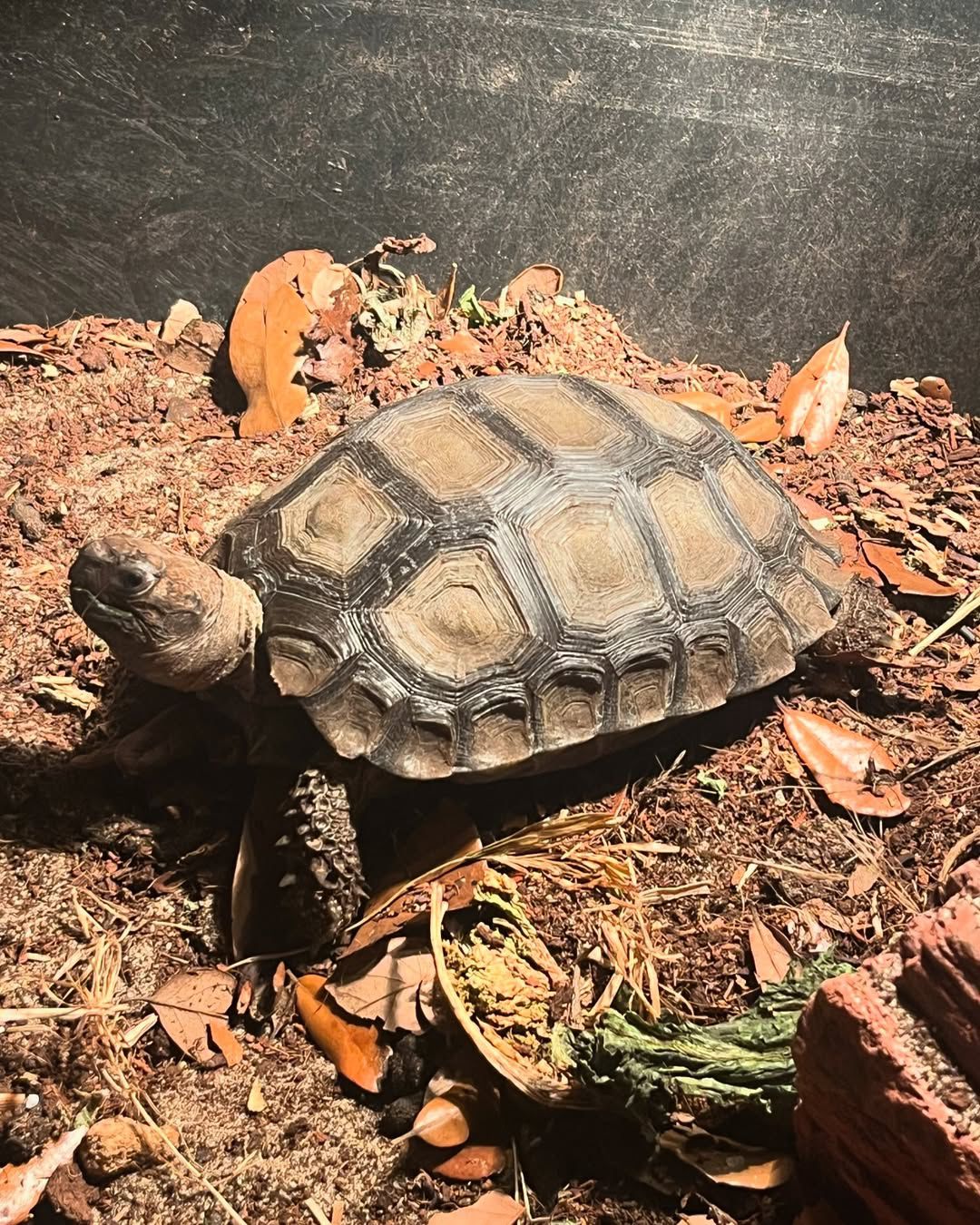
Burmese black mountain tortoise
Price range: $450.00 through $2,000.00
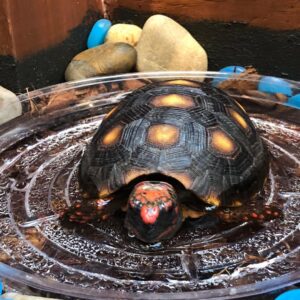
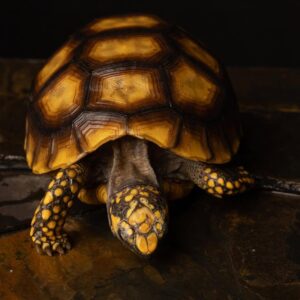
The Burmese black mountain tortoise (Manouria emys phayrei), also known as the Asian giant tortoise, is one of the largest and most primitive living tortoise species. It is native to the highland tropical forests of Southeast Asia and is classified as Endangered by the IUCN.
African Desert Tortoise for Sale: Complete Guide to Choosing Your Perfect Companion 🐢
Finding a healthy African desert tortoise for sale requires knowledge, patience, and careful consideration. These remarkable creatures can live 50-80 years in captivity, making them a lifelong commitment that shouldn’t be taken lightly. Whether you’re a first-time reptile owner or an experienced keeper, understanding what to look for when purchasing your tortoise is crucial for both your success and the animal’s wellbeing.
The market for captive-bred tortoises has grown significantly, with species like the leopard tortoise and Mediterranean spur thighed tortoise gaining popularity among enthusiasts. This comprehensive guide will walk you through everything you need to know before bringing home your shelled companion.
Understanding African Desert Tortoise Species
Popular Species Available for Purchase
When searching for an African desert tortoise for sale, you’ll encounter several species, each with unique characteristics:
Leopard Tortoise (Stigmochelys pardalis) The for sale leopard tortoise remains one of the most sought-after African species. These beautiful animals feature distinctive spotted shell patterns and grow to 10-18 inches in length. They’re known for their docile temperament and adaptability to various climates.
Sulcata Tortoise (Centrochelys sulcata) Also called the African spurred tortoise, these giants can reach 100+ pounds. Their hardy nature makes them excellent for experienced keepers with adequate outdoor space.
Egyptian Tortoise (Testudo kleinmanni) A critically endangered species, availability is extremely limited and heavily regulated. Always verify legal status before considering purchase.
Related Species Worth Considering 🌍
Burmese Black Mountain Tortoise While not African, the burmese black mountain tortoise for sale offers an alternative for those interested in similar care requirements. The baby burmese black mountain tortoise for sale is particularly popular among collectors, though these are Asian species requiring different environmental parameters.
Mediterranean Species The mediterranean spur thighed tortoise for sale represents European tortoise options with comparable care needs. These smaller tortoises (6-8 inches) are ideal for keepers with limited space.
What to Look for When Buying Your Tortoise
Health Assessment Checklist ✅
Before purchasing any african desert tortoise for sale, conduct a thorough health evaluation:
Physical Indicators:
- Clear, bright eyes without discharge or swelling
- Firm, smooth shell without soft spots or pyramiding
- Active movement and alertness when handled
- Clean nostrils with no bubbling or mucus
- Healthy weight (not too thin or obese)
- Well-formed limbs with no swelling
Behavioral Signs:
- Responsive to food and stimuli
- Normal breathing (no wheezing or gasping)
- Attempts to retract when touched
- Regular eating and defecation patterns
Documentation Requirements:
- CITES permits for protected species
- Health certificates from licensed veterinarians
- Breeding records and lineage information
- Care sheets specific to the species
Choosing Between Captive-Bred vs. Wild-Caught
Why Captive-Bred is Superior
Captive-bred advantages:
- Better health status – No parasite loads from wild environments
- Known medical history – Complete records from hatching
- Easier acclimation – Already adapted to human interaction
- Ethical considerations – Doesn’t impact wild populations
- Legal compliance – Simpler documentation and permits
Wild-caught concerns:
- High stress levels affecting immune system
- Unknown age and health background
- Potential parasites requiring treatment
- Often illegal depending on species and origin
- Poor survival rates in captivity
When browsing black mountain tortoise for sale or other species listings, always ask about the tortoise’s origin. Reputable breeders will proudly share their breeding programs and parentage information.
Price Ranges and What They Mean
Understanding Tortoise Pricing 💰
Budget breakdown for African desert tortoises:
Hatchlings (0-1 year): $150-$400
- Most affordable entry point
- Requires intensive early care
- Vulnerable to health issues
Juveniles (1-3 years): $300-$600
- Established eating patterns
- Lower mortality risk
- Good size for monitoring health
Adults (4+ years): $500-$2,000+
- Immediate breeding potential
- Proven health and hardiness
- Higher initial investment
Premium prices for rare morphs or proven breeders can exceed $3,000. The baby burmese black mountain tortoise for sale market shows similar pricing structures, with rare color variations commanding higher prices.
Hidden costs to consider:
- Enclosure setup: $200-$1,500
- UV lighting and heating: $100-$300 annually
- Veterinary care: $200-$500 yearly
- Food and supplements: $300-$600 annually
- Emergency medical fund: $1,000 minimum
Where to Buy Your African Desert Tortoise
Reputable Sources Ranked
1. Specialized Reptile Breeders
- Pros: Extensive knowledge, health guarantees, ongoing support
- Cons: Higher prices, may require travel
- Best for: Serious keepers wanting quality animals
2. Reptile Expos and Shows
- Pros: See multiple vendors, competitive pricing, immediate purchase
- Cons: Stressful for animals, rushed decisions
- Best for: Experienced buyers who know what to look for
3. Online Reptile Retailers
- Pros: Wide selection, convenient, detailed photos
- Cons: Cannot inspect before purchase, shipping stress
- Best for: Buyers in remote areas without local options
4. Rescue Organizations
- Pros: Save a life, lower costs, adult animals available
- Cons: Unknown history, potential health issues
- Best for: Experienced keepers offering second chances
Avoid at all costs:
- Pet stores with mixed species and poor husbandry
- Roadside vendors at flea markets
- Unverified social media sellers
- Anyone unable to provide proper documentation
Essential Setup Before Bringing Your Tortoise Home
Creating the Perfect Habitat 🏡
Indoor enclosure requirements:
- Minimum 4’x8′ for adults (larger for sulcatas)
- Substrate: Organic topsoil, coconut coir, or cypress mulch (6-8 inches deep)
- Basking spot: 95-100°F
- Cool side: 75-80°F
- UVB lighting: 10-12 hours daily with Mercury vapor or tube bulbs
- Hide boxes for security and temperature regulation
Outdoor enclosures (recommended for suitable climates):
- Secure perimeter walls (18+ inches underground to prevent escape)
- Natural vegetation for grazing
- Shaded areas and sunny basking spots
- Predator-proof design
- Weather shelter for temperature extremes
Diet preparation:
- 80% dark leafy greens (collards, mustard greens, dandelions)
- 15% vegetables (squash, bell peppers, cactus pads)
- 5% occasional fruit
- Calcium supplement 3-4 times weekly
- Always provide fresh water
Legal Considerations and Permits
Staying Compliant with Regulations ⚖️
Federal requirements:
- CITES documentation for Appendix I and II species
- U.S. Fish and Wildlife import/export permits
- Interstate commerce regulations
State and local laws:
- Some states prohibit certain species entirely
- Municipal ordinances may restrict outdoor enclosures
- HOA regulations in residential areas
- Permits for breeding operations
International buyers:
- Country-specific import permits
- Quarantine requirements
- CITES export documentation from seller’s country
- Veterinary health certificates
Before finalizing any african desert tortoise for sale purchase, verify all legal requirements in your jurisdiction. Violations can result in confiscation, fines, and criminal charges.
Common Mistakes First-Time Buyers Make for African Desert Tortoise for Sale
Pitfalls to Avoid 🚫
1. Impulse Purchasing The cuteness factor of seeing a baby burmese black mountain tortoise for sale or tiny leopard tortoise can override logical decision-making. Take time to research and prepare.
2. Inadequate Space Planning That 3-inch hatchling will grow. Sulcatas reach 80-150 pounds. Plan for adult size, not current size.
3. Underestimating Costs Initial purchase price is just the beginning. Annual care costs often exceed the tortoise’s purchase price.
4. Improper Species Selection Choosing a mediterranean spur thighed tortoise for sale when you live in a high-humidity climate sets everyone up for failure. Match species to your environment.
5. Skipping Veterinary Check-ups Always have a reptile-experienced veterinarian examine your new tortoise within 48 hours of purchase.
Expert Tips for Long-Term Success for African Desert Tortoise for Sale
Proven Strategies from 20+ Years of Tortoise Keeping
Quarantine protocol: Isolate new tortoises for minimum 90 days, even if you only have one. This prevents potential disease spread if you acquire additional animals later and establishes baseline health metrics.
Weight monitoring: Weigh your tortoise monthly and maintain records. Sudden weight changes indicate health issues before visible symptoms appear.
Natural sunlight exposure: Nothing replaces genuine sunlight. When weather permits (70°F+), provide supervised outdoor time. Fifteen minutes of natural UV equals hours under artificial lighting.
Hydration importance: Soak juveniles 3-4 times weekly in shallow warm water (15-20 minutes). This prevents dehydration and encourages healthy shell growth.
Community connections: Join tortoise keeper groups online and locally. Experienced keepers provide invaluable troubleshooting advice and emergency support.
Health Red Flags and When to Seek Help
Warning Signs Requiring Veterinary Attention 🏥
Immediate emergency:
- Severe shell trauma or bleeding
- Inability to right itself
- Seizures or neurological symptoms
- Prolapsed organs
- Not breathing normally
Schedule appointment within 24-48 hours:
- Refusing food for 5+ days
- Runny nose or wheezing sounds
- Eye swelling or discharge
- Soft shell areas or unusual shell growth
- Lethargy and weakness
- Abnormal feces (bloody, extremely watery, or absent)
Monitor and consult if worsens:
- Minor appetite decrease
- Slightly less active than usual
- Minor scratches or shell scuffs
Finding a qualified reptile veterinarian before emergencies arise is essential. Not all vets treat tortoises competently.
Seasonal Considerations for Purchase Timing
Best Times to Buy
Spring (March-May):
- Peak breeding season means more availability
- Easier outdoor acclimation
- Natural photoperiod supports healthy adjustment
Summer (June-August):
- Maximum selection of african desert tortoise for sale
- Warm weather simplifies temperature management
- Outdoor setup options at peak functionality
Fall (September-November):
- End-of-season discounts possible
- Time to establish before winter
- Less ideal but manageable
Winter (December-February):
- Avoid if possible
- Limited selection
- Complicated shipping in cold weather
- Indoor-only acclimation challenges
Conclusion
Purchasing an african desert tortoise for sale represents the beginning of a decades-long relationship with a fascinating creature. Whether you choose a leopard tortoise, explore a black mountain tortoise for sale, or consider related species, thorough research and preparation ensure success.
Prioritize captive-bred animals from reputable sources, prepare appropriate housing before purchase, budget for long-term care costs, and establish veterinary relationships early. These magnificent reptiles reward dedicated keepers with personalities, longevity, and the satisfaction of providing excellent animal care.
Remember: the cheapest tortoise often becomes the most expensive through veterinary bills and replacement costs. Invest in quality from the start, and your tortoise will thrive for generations. 🐢✨
Frequently Asked Questions About African Desert Tortoise for Sale
Q1: How much does an African desert tortoise cost? A: African desert tortoises typically range from $150-$600 for hatchlings and juveniles, with adults costing $500-$2,000+. Prices vary based on species, age, size, and breeder reputation. Remember to budget for enclosure setup ($200-$1,500) and annual care costs ($600-$1,400).
Q2: What is the lifespan of an African desert tortoise? A: Most African desert tortoise species live 50-80 years in proper captivity, with some individuals exceeding 100 years. Leopard tortoises average 60-80 years, while sulcatas can live 70+ years, making them genuine lifetime companions requiring long-term commitment.
Q3: Do I need permits to own an African desert tortoise? A: Permit requirements vary by species and location. Some species require CITES documentation, while others need state permits. Always verify federal, state, and local regulations before purchasing. Endangered species like Egyptian tortoises have strict ownership restrictions.
Q4: What’s the difference between captive-bred and wild-caught tortoises? A: Captive-bred tortoises are healthier, parasite-free, better acclimated to human care, and legal to purchase. Wild-caught animals often carry diseases, experience high stress, have unknown ages, and may be illegally sourced. Always choose captive-bred tortoises from reputable breeders.
Q5: Can African desert tortoises live with other tortoise species? A: No, different tortoise species should never be housed together. They carry species-specific bacteria and parasites that can be deadly to others. Even same-species tortoises need careful introduction and adequate space to prevent aggression and disease transmission.
| Size | Baby, Juvenile, Young Adult, Adult |
|---|---|
| sex | male, female |
Be the first to review “Burmese black mountain tortoise”
Related products
Tortoise
Tortoise
Tortoise
Tortoise
Tortoise
Tortoise
Reviews
There are no reviews yet.