
tortoise for sale
The Ultimate Guide to Small Tortoise Breeds: Your Complete Care Manual
Mar
Introduction: Why Choose Small Tortoise Breeds?
When space is a premium, small tortoise breeds offer the perfect solution for reptile enthusiasts. Unlike their giant cousins who can require an entire backyard, these compact creatures thrive in more modest enclosures, making them ideal for apartment dwellers and first-time owners alike. For decades, herpetologists have recommended small tortoise breeds as manageable, long-lived companions that bring a piece of the wild into your home. In this comprehensive guide, we will explore the top species, their specific needs, and how to provide an environment where they can thrive for decades to come.
The Top 5 Small Tortoise Breeds for Beginners and Experts
Selecting the right species is crucial. Here are the most popular small tortoise breeds known for their manageable size and engaging personalities.
1. Russian Tortoise (Testudo horsfieldii)
The Russian Tortoise is arguably the most popular of the small tortoise breeds. They rarely exceed 8 inches in length.
- Lifespan: 40–60 years
- Temperament: Active, curious, and hardy.
- Care Level: Beginner-friendly.
2. Hermann’s Tortoise (Testudo hermanni)
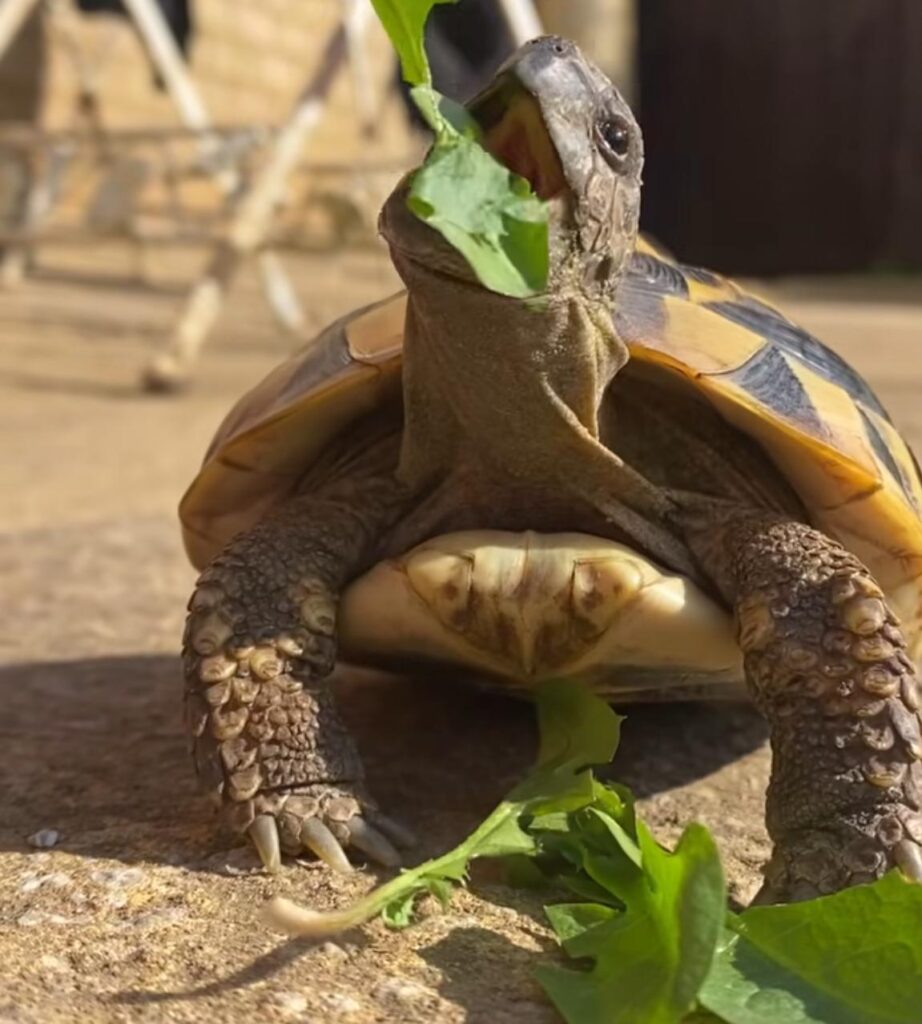
A classic choice, Hermann’s Tortoises are vibrant and intelligent. Eastern Hermann’s typically stay smaller than Western varieties, making them a perfect addition to the small tortoise breeds category.
- Lifespan: 50–75 years
- Temperament: Social and outgoing.
- Care Level: Intermediate.
3. Greek Tortoise (Testudo graeca)
Often confused with Hermann’s, Greek Tortoises are another staple among small tortoise breeds. They have distinct spur-like scales on their thighs.
- Lifespan: 50+ years
- Temperament: Generally docile but can be territorial with other males.
- Care Level: Intermediate.
4. Egyptian Tortoise (Testudo kleinmanni)
One of the smallest small tortoise breeds, the Egyptian Tortoise is a true gem. Adults measure only 4 to 5 inches.
- Lifespan: 30–50 years
- Temperament: Shy and delicate.
- Care Level: Expert (requires specific arid conditions).
H3: 5. Pancake Tortoise (Malacochersus tornieri)
Unlike other small tortoise breeds, Pancake Tortoises have a flat, flexible shell. They are rock-dwellers and exceptional escape artists.
- Lifespan: 25–30 years
- Temperament: Agile and fast.
- Care Level: Intermediate to Advanced.
Setting Up the Perfect Habitat for Small Tortoise Breeds
A common misconception is that because they are small, they don’t need much space. This is false. Even small tortoise breeds require large, secure enclosures to prevent obesity and muscle atrophy.
Indoor Enclosures (Tortoise Tables)
For most small tortoise breeds, a tortoise table is superior to a glass aquarium.
- Size: Minimum 4’ x 2’ for a single adult.
- Substrate: A mix of organic topsoil and play sand allows for burrowing.
- UVB Lighting: Essential for calcium absorption. Replace UVB bulbs every 6–12 months, regardless of whether they are still producing light.
Outdoor Enclosures
Whenever weather permits, outdoor time is vital for small tortoise breeds.
- Security: The enclosure must have a buried perimeter (at least 6 inches deep) to prevent digging out.
- Predator Proofing: A wire top is necessary to protect against birds, raccoons, and even domestic dogs.
- Planting: Include edible weeds like dandelion, clover, and plantain.
Nutrition and Diet: Fueling Small Tortoise Breeds
Diet is the cornerstone of health for small tortoise breeds. Poor diet leads to pyramiding (bumpy shell growth) and metabolic bone disease.
The 80/20 Rule: 80% leafy greens and weeds, 20% vegetables, and 0% fruit for most Mediterranean species (though some, like Red-Footed tortoises, require fruit sparingly).
Safe Foods:
- Staples: Collard greens, mustard greens, dandelion greens, endive, escarole.
- Weeds: Clover, plantain (the weed, not the banana), chickweed.
- Calcium: A cuttlebone should always be available.
Foods to Avoid:
- Spinach and kale (high in oxalates, limit intake).
- Lettuce (iceberg) offers zero nutritional value.
- Animal protein.
Benefits, Pros & Cons of Keeping Small Tortoise Breeds
Before committing, it is wise to weigh the reality of owning small tortoise breeds. They are not “low maintenance” pets; they simply require less space.
| Pros | Cons |
|---|---|
| Space Efficient: Fit comfortably in smaller homes. | Longevity: They are a multi-decade commitment. |
| Hypoallergenic: No fur or dander. | Specialized Lighting: Requires expensive UVB and heat setups. |
| Quiet: They make no noise. | Hibernation/Brumation: Many species require a cooling period, which can be stressful for new owners. |
| Educational: Excellent for teaching responsibility. | Veterinary Care: Exotic vets are harder to find and cost more than standard vets. |
Key Insight: The initial setup cost for small tortoise breeds often exceeds the cost of the animal itself. Expect to spend $300–$500 on high-quality lighting, a large enclosure, and thermostats.
Practical Steps to Acquiring Healthy Small Tortoise Breeds
Finding a healthy specimen is the most critical step. Wild-caught tortoises are often stressed, dehydrated, and riddled with parasites.
- Avoid Wild Caught: Never purchase a tortoise taken from the wild. It is often illegal and detrimental to wild populations.
- Research Breeders: Look for reputable breeders who specialize in small tortoise breeds.
- Check for Activity: A healthy tortoise should be active, with clear eyes, a firm shell, and a clean vent.
- Verify Legality: Ensure the species is legal to own in your state or country.
If you are ready to find your new companion, exploring reputable sources is essential. You can often find excellent resources and available tortoises through dedicated platforms. For instance, you might find valuable listings and community recommendations by checking out this resource page or this community forum link. Many hobbyists share their experiences with specific breeders on platforms like Rentry and BMCS Notes.
Furthermore, understanding the market can be helpful. Some dedicated websites offer insights into rare morphs. You can read expert analysis on topics like the Ivory Tortoise for sale market, which is a fascinating subset of the hobby. For deeper dives into specific care sheets, this HedgeDoc collaboration provides excellent data.
Before purchasing, ensure you have your enclosure fully set up. Consider reviewing guides on buying baby tortoises online to ensure you are dealing with ethical shippers. Articles like this one on the trend highlight the importance of due diligence in the digital age. For a comprehensive beginner’s guide, this blog post is a fantastic start.
Expert Opinion: Long-Term Health Strategies
In my 15 years of working with chelonians, I have observed that the most successful owners treat small tortoise breeds as if they are going to live forever because they practically do.
Real-World Example: I once consulted on a case where a Russian Tortoise was kept in a 20-gallon tank for 20 years. Despite being fed “properly,” the tortoise was morbidly obese and had severe muscle atrophy, unable to walk correctly. Once moved to a 4’x8’ outdoor enclosure, it took over a year of physical therapy (simply encouraging movement with food) to regain normal function.
Expert Tip: Do not underestimate the power of humidity. While small tortoise breeds like the Russian and Greek are arid species, hatchlings require higher humidity (60-80%) to prevent dehydration and promote smooth shell growth. Use a humid hide filled with sphagnum moss for young tortoises.
To see how other enthusiasts are building their setups, take a look at these collaborative notes:
Networking with the community is vital. You can find discussions on ethical breeding at Diigo Groups or detailed species breakdowns on HackMD. For those interested in specific genetics, reading about the Radiated Tortoise market can teach you a lot about conservation and pricing structures. Even articles about Albino Sulcata, though larger breeds, offer insights into the genetics that sometimes appear in smaller breeds.
Common Health Issues in Small Tortoise Breeds
Proactive care prevents most illnesses. Here are the top three issues to watch for:
- Respiratory Infections (RI): Symptoms include wheezing, nasal discharge, and lethargy. This is usually caused by low temperatures.
- Metabolic Bone Disease (MBD): A soft shell or pyramiding. This is caused by a lack of UVB or calcium.
- Parasites: Worms or protozoa often require a fecal exam by a vet.
For a deep dive into pathology, veterinary students often share case studies on platforms like Graph.org and Pad Stuve. It is highly recommended to bookmark a reputable exotic vet before your tortoise gets sick. User-generated content, like the experiences shared on Posteezy, can be invaluable for symptom identification.
Conclusion: Is a Small Tortoise Breed Right for You?
Ultimately, small tortoise breeds offer a unique, rewarding companionship that few other pets can match. They are living art pieces that grow with your family. By understanding their specific needs for space, UVB lighting, and a fibrous diet, you can ensure your shelled friend thrives for decades. Whether you choose an active Russian or a delicate Egyptian, remember that you are not just buying a pet; you are adopting a legacy. The journey of caring for small tortoise breeds is filled with learning, joy, and the quiet satisfaction of mastering a complex ecosystem in miniature.
If you are ready to take the next step, ensure you have done your homework. Review the latest discussions on BreedWiki and DigitalTibetan to stay updated on legal changes and care standards. The community is vast and supportive, with resources like FkWiki and ClashofCrypto offering robust archives of knowledge.
Start your journey by exploring a curated list of reputable breeders and care sheets available through these links:
Schema-Ready FAQ Section
1. What is the smallest breed of tortoise?
The Egyptian Tortoise (Testudo kleinmanni) is widely considered one of the smallest small tortoise breeds, with adult females rarely exceeding 5 inches in length.
2. Do small tortoise breeds hibernate?
Yes, many small tortoise breeds, such as Russian, Hermann’s, and Greek tortoises, undergo a period of brumation (hibernation for reptiles) during winter. This requires careful preparation and temperature control. Species like the Egyptian and Pancake tortoises do not typically hibernate.
3. How long do small tortoise breeds live?
Lifespan varies by species, but most small tortoise breeds live between 30 and 75 years. They are a true generational pet, often requiring a long-term care plan.
4. Can small tortoise breeds live together?
Generally, it is best to house small tortoise breeds singly or in groups of one male with several females. Two males often become territorial, leading to fighting, stress, and injury.
5. What is the best small tortoise breed for a beginner?
The Russian Tortoise is the top recommendation for beginners among small tortoise breeds due to its hardy nature, active personality, and tolerance for minor husbandry mistakes.
Further Reading & Community Links:
For additional real-time advice, you can explore these active community pads and forums:
- Federated Journal Feed
- Pads Jeito
- Pad Stuve 2
- Allmende Hack
- UN-Hack-Bar
- Stuve Uni-Ulm
- AdminForge Docs
- Posteezy Guide
- JSBin Reference
- BlogBright Insights
- Telegraph Archive
- Technet Bloggers
- Werite Analysis
- BraveJournal
- BMCS Notes 2
- HackMD 2
- GeoLab Space
- Zumpad Pro 2
Realiabe sources:
- https://groups.google.com/g/rareandlovelypets/c/l0m-RAHc7eA
- https://codimd.communecter.org/s/JyUnxRDny
- https://hackmd.io/@whitehouse/B1YZgsFiWl
