
tortoise for sale
Turtle vs Tortoise: Key Differences, Facts, and Expert Guide
Mar
Few questions in the reptile world generate as much confusion as the turtle vs tortoise distinction. Many people use these terms interchangeably, yet these two groups of animals are fundamentally different in ways that affect their biology, behavior, and care requirements. Understanding the turtle vs tortoise differences is essential for anyone considering bringing one of these remarkable creatures into their home.
As a herpetologist with over fifteen years of experience working with chelonians the scientific order that includes both turtles and tortoises I have encountered countless misconceptions about these animals. This comprehensive guide will provide you with expert, evidence-based information to help you understand exactly what sets them apart. By the end, you will have the knowledge needed to make informed decisions about care, conservation, and which species might be right for you.
Defining the Terms: What Exactly Are Turtles and Tortoises? 📚
Before diving into the details, let us establish clear definitions. In scientific terms, all tortoises are technically turtles. However, in common usage and within the pet trade, the turtle vs tortoise distinction is based on habitat and lifestyle.
- Turtles are generally aquatic or semi-aquatic reptiles that spend most of their lives in water.
- Tortoises are exclusively land-dwelling reptiles that never enter water except to drink or soak.
This fundamental difference in habitat drives every other aspect of their biology. For a deeper exploration of chelonian classification, you can explore these expert resources:
Habitat and Lifestyle: The Defining Factor 🌊 vs. 🌵
The most critical factor in the turtle vs tortoise comparison is where they live. This single element determines their physical form, behavior, and care needs.
Aquatic and Semi-Aquatic Turtles
Turtles inhabit freshwater environments like ponds, rivers, and lakes, or marine environments like oceans. Their entire existence revolves around water. They:
- Swim actively to hunt for food
- Use water for thermoregulation
- Often mate in water
- May only leave water to bask or lay eggs
Terrestrial Tortoises
Tortoises are built for life on land. They inhabit diverse environments from arid deserts to humid grasslands. Their lifestyle includes:
- Burrowing to escape temperature extremes
- Foraging over large areas for vegetation
- Basking on rocks or open ground
- Never entering deep water
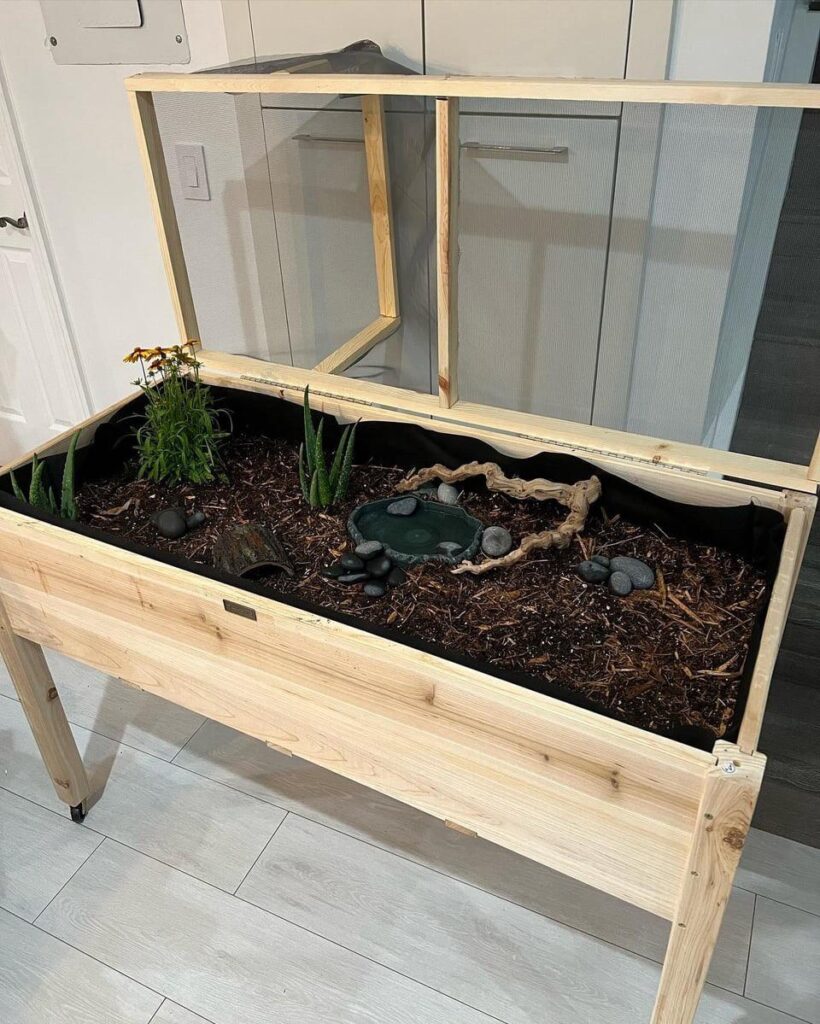
Understanding these habitat requirements is crucial for proper care. For detailed habitat setup guidance, these resources are invaluable:
- Creating the Perfect Aquatic Turtle Habitat
- Designing a Tortoise Enclosure
- Water Quality Management for Turtles
Anatomical Differences: Form Follows Function 🔬
When examining the turtle vs tortoise anatomy, the adaptations to their respective environments become immediately apparent.
Shell Structure
| Feature | Turtle | Tortoise |
|---|---|---|
| Shape | Flattened, streamlined | High-domed, heavy |
| Weight | Lighter for buoyancy | Heavier for stability |
| Purpose | Hydrodynamics for swimming | Protection against land predators |
Limbs and Feet
- Turtles: Possess long, clawed feet with webbing between toes. Sea turtles have flippers. These adaptations allow efficient propulsion through water.
- Tortoises: Have short, stout, columnar legs with flat, club-like feet. Their thick nails are designed for digging burrows and gripping uneven terrain.
Neck and Head
Many turtles can retract their heads partially but not fully into their shells. Tortoises, particularly those in the family Testudinidae, have specialized neck vertebrae that allow complete head retraction for protection.
For more detailed anatomical comparisons, these expert resources provide excellent visual guides:
Dietary Requirements: What’s on the Menu? 🥗 vs. 🍖
The turtle vs tortoise dietary needs represent another major divergence. Feeding the wrong diet is one of the most common and harmful mistakes new owners make.
Turtle Diet
Most aquatic turtles are omnivores. Their natural diet includes:
- Insects and aquatic invertebrates
- Small fish and amphibians
- Aquatic plants and algae
- Commercial turtle pellets
A balanced turtle diet typically consists of approximately 50% protein and 50% plant matter, varying by species and age.
Tortoise Diet
Tortoises are strict herbivores. Their diet should consist entirely of:
- Dark, leafy greens (collard greens, dandelion, mustard greens)
- Grasses and hay
- Edible weeds and flowers
- Calcium supplements
Protein consumption in tortoises can cause rapid growth, shell deformities, and kidney damage. For species-specific dietary guidance, explore these resources:
Lifespan and Growth: A Multi-Generational Commitment ⏳
One of the most important considerations in the turtle vs tortoise decision is longevity. Both groups live long lives, but tortoises take this to an extreme.
Turtle Lifespan
- Small aquatic turtles: 15-25 years
- Medium species: 20-40 years
- Large species: 30-50 years
Tortoise Lifespan
- Small tortoises: 30-50 years
- Medium species: 50-80 years
- Giant species: 80-150+ years
For context, the angonoka tortoise endangered status highlights how these long-lived species face unique conservation challenges. Their slow reproductive rates mean population recovery takes decades.
Expert Opinion: Insights from a Chelonian Specialist 👨🔬
Dr. Sarah Chen, a veterinarian specializing in exotic reptiles at the National Zoo’s Conservation Biology Institute, emphasizes the importance of understanding these differences:
“The most common emergency cases I see stem from owners treating a turtle like a tortoise or vice versa. I once treated a red-eared slider that was kept in a dry enclosure with no water source—the owner thought all turtles could live on land. Within weeks, the animal developed severe respiratory issues and shell deformities. Conversely, I’ve seen sulcata tortoises kept in aquatic setups, leading to fatal fungal infections. These are not interchangeable pets. Their biology demands respect for their evolutionary adaptations.”
Dr. Chen’s experience underscores why the turtle vs tortoise distinction matters beyond semantics. For more expert perspectives and case studies, these resources offer valuable insights:
Practical Steps: Choosing the Right Pet for You 🤔
Making the right choice between a turtle and a tortoise requires honest self-assessment. Here is a practical framework to guide your decision.
Consider Your Space
Choose a Turtle if you have:
- Indoor space for a large aquarium (40-120 gallons depending on species)
- Capability to manage water filtration and quality
- Limited outdoor space
Choose a Tortoise if you have:
- A secure outdoor yard or garden
- Climate suitable for outdoor housing (or willingness to build indoor winter enclosures)
- Long-term property stability for a multi-decade commitment
Consider Your Commitment Level
Turtles require:
- Daily feeding and water quality monitoring
- Regular filter maintenance
- UVB light replacement every 6-12 months
Tortoises require:
- Daily feeding and enclosure spot-cleaning
- Seasonal enclosure adjustments
- Long-term planning for eventual large size
For detailed species comparisons and owner experiences, explore these community resources:
Pros and Cons: Making an Informed Decision ⚖️
Turtles: Pros and Cons
Pros:
- Generally smaller adult size
- Can be kept indoors year-round
- Fascinating aquatic behaviors to observe
- More options for beginners (red-eared sliders, painted turtles)
Cons:
- Complex aquarium setup required
- Ongoing water maintenance
- Risk of salmonella transmission (proper hygiene essential)
- Can be messy and require frequent cleaning
Tortoises: Pros and Cons
Pros:
- Outdoor naturalistic housing possible
- Low-maintenance daily care
- Gentle, personable personalities
- Educational for children about long-term responsibility
Cons:
- Very long lifespan requires succession planning
- Significant space requirements as they grow
- Heating needs in colder climates
- Many species protected by conservation laws
For more detailed comparisons and additional resources, these links provide valuable information:
Conservation Considerations: Protecting Wild Populations 🌍
Understanding the turtle vs tortoise distinction extends to conservation. Many species in both groups face serious threats, but the challenges differ.
Turtle Conservation Issues
- Habitat destruction of wetlands and waterways
- Plastic pollution in oceans affecting sea turtles
- Bycatch in fishing operations
- Collection for food and traditional medicine
Tortoise Conservation Issues
- Illegal collection for the pet trade
- Habitat loss to agriculture
- Predation by introduced species
- Slow reproduction making recovery difficult
The angonoka tortoise endangered status exemplifies the severity of these threats. This species, native only to Madagascar, has been pushed to the brink by habitat destruction and illegal poaching. Responsible pet owners should:
- Never purchase wild-caught specimens
- Verify captive-bred status with documentation
- Support conservation organizations
- Educate others about the importance of protecting wild populations
For those interested in conservation and ethical ownership, these resources offer guidance:
Conclusion: Respecting the Differences That Matter 🐢
The turtle vs tortoise distinction is far more than a matter of terminology. It represents millions of years of evolutionary adaptation to fundamentally different environments. Turtles are masters of the water, built for swimming and aquatic life. Tortoises are icons of the land, adapted for terrestrial existence with shells that protect them from predators and legs that carry them across vast territories.
When you understand these differences, you become a better caretaker, a more informed conservation advocate, and a more responsible member of the exotic pet community. Whether you choose a turtle gliding through aquarium water or a tortoise grazing in a sun-drenched yard, you are accepting a commitment that requires knowledge, preparation, and respect for the natural history of these remarkable creatures.
The turtle vs tortoise decision is not about which is better it is about which is right for your circumstances, your resources, and your willingness to provide proper care for the duration of their long lives. Choose wisely, educate yourself thoroughly, and you will be rewarded with a fascinating companion that connects you to the ancient lineage of shelled reptiles that have walked the Earth for over 200 million years.
FAQ Schema Section
Q1: What is the main difference between a turtle and a tortoise?
A: The primary difference in the turtle vs tortoise comparison is habitat. Turtles are aquatic or semi-aquatic, spending most of their lives in water. Tortoises are exclusively terrestrial, living entirely on land. This distinction drives all other differences in anatomy, diet, and behavior.
Q2: Can a tortoise swim?
A: No, tortoises cannot swim. They are heavy-bodied land animals with stout legs and domed shells that make buoyancy impossible. Placing a tortoise in deep water can lead to drowning. They only require shallow water for drinking and soaking.
Q3: Do turtles need to come out of the water?
A: Yes, most aquatic turtles require a dry basking area where they can climb completely out of the water. They need this space to thermoregulate, dry their shells to prevent fungal infections, and absorb UVB light for vitamin D3 synthesis.
Q4: Which lives longer, a turtle or a tortoise?
A: Tortoises generally live longer than turtles. While turtles typically live 20-50 years depending on species, tortoises often live 50-100+ years. Giant tortoise species can exceed 150 years. This makes tortoises one of the longest-lived land animals on Earth.
Q5: What should I consider before getting a turtle or tortoise as a pet?
A: Key considerations include: available space (aquarium vs. outdoor yard), long-term commitment (tortoises often outlive their owners), climate suitability, initial setup costs, ongoing maintenance requirements, and verifying that any species you acquire is captive-bred and legally obtained.
Learn more:
- https://hackmd.io/@whitehouse/Sk5hc2Ei-g
- https://groups.google.com/g/rareandlovelypets/c/wPfIJLTsC6c/m/l3KQ6MnsBAAJ
- https://torthome.blogspot.com/2026/03/turtle-vs-tortoise.html
- https://codimd.communecter.org/s/J2r7foAml
